cloud technology

HRMS

Best Employee Engagement Platforms for 2026: What Every U.S. Company Should Know

Introduction There’s a quiet revolution happening inside American workplaces right now, but you won’t see it on the surface. It’s not loud. It’s not chaotic. It’s subtle, but it’s powerful. It’s unfolding in boardrooms where leaders are questioning traditional management. It’s unfolding in HR departments where burnout is becoming impossible to ignore. It’s unfolding in conversations between employees who are demanding more humanity and less rigidity in how companies operate. This is the revolution of employee engagement. Not the fluffy version people used to talk about years ago, where companies tried to fix culture with pizza parties or generic surveys. This is deeper. This is structural. This is the moment where companies finally realise that engagement is not an HR initiative. It’s not a seasonal campaign. It’s not a perk. It’s the foundation of business survival. And that’s why employee engagement software has become one of the fastest-growing segments in the enterprise SaaS world. Modern organisations know that if they want to retain talent, if they want to create momentum, if they want to scale without burning out their teams, they need platforms built to understand the workforce at a human level. Datadotlabs recognises this shift with absolute clarity. They’re stepping into the future of engagement not as outsiders, but as creators of digital ecosystems designed for real people. And as we head into 2026, the companies dominating the U.S. market will be the ones who understand that employee engagement is no longer a nice thing to talk about. It’s the core of operational excellence. Why Employee Engagement Matters More Than Ever Over the past decade, we’ve watched work evolve into something completely different. People are no longer willing to stay in jobs that exhaust them. They’re no longer loyal to companies that don’t support their growth. They’re no longer willing to sacrifice their mental health for organisations that treat them like replaceable assets. Employees want to feel heard. They want to feel valued. They want to feel connected. They want to feel like their work actually matters. And this isn’t a trend. This is the reality shaping today’s workforce. Companies that fail to understand this are facing skyrocketing turnover rates, low morale, productivity declines, and cultural erosion that becomes almost impossible to repair. Meanwhile, companies that embrace employee engagement software as a strategic investment are seeing better retention, stronger cultures, happier teams, and healthier bottom lines. Engagement isn’t just about communication. It’s about relationships. It’s about belonging. It’s about building an environment where employees feel supported enough to bring their best work every single day. And the platforms leading this evolution are the ones designed with empathy, intelligence, and long-term growth in mind. The Rise of Intelligent Employee Engagement Software in the Modern Workplace The earliest engagement platforms were simple. Basic surveys. Basic dashboards. Basic insights. But employers quickly realised these tools didn’t solve the real problems. They surfaced symptoms but ignored causes. In 2026, the landscape looks different. Today’s top employee engagement software is intelligent. It’s dynamic. It evolves with the workforce rather than locking companies into one-size-fits-all frameworks. These platforms don’t just gather feedback; they interpret it. They don’t just show data, they reveal sentiment. They don’t just highlight issues; they recommend actionable solutions. Employee engagement has become a living ecosystem powered by advanced analytics, predictive trends, sentiment mapping, personalised communication, and real-time insights. Companies expect software that feels almost intuitive, software that understands people as more than metrics. And the best platforms aren’t just reacting to engagement problems. They’re preventing them. Datadotlabs brings a refreshing level of clarity to this evolution. Instead of overwhelming organizations with overly complex features, their approach feels grounded and human. They design engagement systems that actually empower teams to act on what they see, not drown under layers of meaningless data. How Large Enterprises Are Using Engagement Platforms to Build Healthier Cultures Big organisations often struggle with employee engagement because of their size. More layers. More departments. More communication gaps. More politics. More frustration. But the biggest companies also have the most to gain from the right systems. Large U.S. enterprises are using employee engagement software to unify their workforce in ways that were impossible before. With employees spread across states, time zones, and hybrid environments, engagement platforms have become the backbone of internal alignment. They help leaders understand emotional patterns across teams. They highlight departments that need support. They reveal which managers uplift teams and which ones drain morale. They expose hidden burnout patterns that old-school HR methods would never catch in time. And the biggest outcome is transparency. Not passive transparency, but active visibility into what people feel, want, and need. This transparency forces leadership to take engagement seriously, and it stops cultural problems from going unnoticed until it’s too late. How Employee Engagement Platforms Are Reinventing Communication in 2026 Communication has always been the heart of engagement. But in large organisations, communication easily becomes fragmented, overwhelming, or completely ignored. Modern engagement platforms change that. Instead of employees struggling to navigate chaotic email threads or outdated intranet systems, today’s employee engagement software gives companies centralised communication environments that feel personal, consistent, and interactive. These systems allow leaders to speak directly to the workforce and allow employees to express themselves without fear. The best platforms create a rhythm of communication where feedback flows both ways. Employees speak. Leaders listen. Leaders speak. Employees feel included. This cycle builds trust. Trust builds community. Community builds engagement. Engagement builds performance. In 2026, communication isn’t about announcements. It’s about conversation. And the most successful platforms enable these conversations to happen naturally, respectfully, and continuously. The Power of Real-Time Insights in Employee Engagement If companies want to understand their workforce, they can’t wait for quarterly reports. They can’t rely on outdated surveys. They need real-time visibility into how their employees feel and work. That’s why the heart of modern employee engagement software lies in its intelligence. Platforms now use data to detect early signs of burnout, identify teams at risk of disengagement, track sentiment

HRMS

How to Drive Growth with Performance Management Software in 2026

Introduction There’s something quietly revolutionary happening inside organisations today, not in the conference rooms, not in the AI labs, and not even in the executive dashboards. It’s happening at the intersection of human potential and digital intelligence. If the last decade was about automating tasks, 2025 is about amplifying people. And at the centre of this transformation sits performance management software, a tool that once lived in HR departments but now stands at the forefront of organisational growth. We used to think performance was something you measured. In 2025, performance is something you activate. The companies that understand this are pulling ahead with a velocity that older systems simply cannot match. The future of growth doesn’t hinge on how many tools you add it hinges on how intelligently your people are empowered to contribute. And performance management software becomes the operating system of this empowerment. It’s not just a digital review form. It’s not a storage system for goals. It’s the evolving intelligence layer that helps organisations understand human capability, sharpen focus, reduce friction, and create alignment across increasingly distributed teams. If the modern enterprise is a living organism, then performance management software is the nervous system the network that senses, responds, learns, and accelerates. To drive genuine growth in 2025, companies need to see performance not as a review cycle but as a living, breathing experience powered by continuous insight. Why 2025 Is the Year Performance Management Becomes a Growth Engine It took a pandemic, hybrid work, digital acceleration, and an entire workforce redefining what “meaningful work” means for organisations to realise that traditional performance processes were broken. By 2025, the shift is undeniable: companies can no longer afford a model where performance discussions happen once or twice a year. The modern workplace moves too fast. Employees evolve too quickly. Skills become outdated too often. Business needs to shift too dramatically. Growth now requires real-time visibility, intelligence, and adaptability. And that is precisely where performance management software steps in not as a tool, but as a growth infrastructure. Performance isn’t paperwork; it’s the pulse of the organisation. In 2025, that pulse is digital, dynamic, and deeply connected to company strategy. With the right performance management software, organisations finally get something they’ve lacked for decades: a continuous, data-driven understanding of what drives performance and how to elevate it. The Shift from Managing Performance to Enhancing It For too long, performance systems tried to fit people into categories, high performer, average performer, low performer, like humans could be sorted into neat boxes. That mindset doesn’t survive in 2025. Human contribution is fluid, contextual, and influenced by hundreds of variables. A single yearly meeting cannot capture that complexity. Performance management software changes the conversation. It moves organisations from labels to learning. From judgment to coaching. From documentation to insight. From review cycles to continuous improvement. The companies thriving in 2025 are the ones that treat performance as a real-time experience, not an event. They understand that employees grow when feedback flows continuously, not sporadically. They know teams perform when goals evolve with the work, not against it. And they know that managers become leaders when they gain visibility into the capabilities of their teams. With performance management software, organisations give employees what they’ve wanted all along: clarity, fairness, recognition, and a path to grow. Performance Management Software as the Intelligence Layer of Growth Growth used to come from top-down decisions. Today, it emerges from insight, specifically, insight into people. Performance management software becomes the intelligence layer that shows companies: In 2025, a competitor is not just another business producing similar products. A competitor is any system that accelerates learning faster than yours. Performance management software becomes the engine that accelerates learning not just for individuals but for the entire organisation. This isn’t HR tech. It’s organisational intelligence. Real-Time Goal Alignment That Drives Momentum A decade ago, companies set goals annually and hoped everything stayed aligned. In 2025, alignment shifts weekly, even daily. Strategy moves faster than paperwork. By the time annual goals are reviewed, the world has already changed. A modern performance management software platform understands this. It becomes a live system where goals breathe, expand, shift, and evolve as work happens. Employees don’t have to wait until the next quarter to understand priorities they can see them in real-time. And for managers, this visibility becomes gold. They see what’s stuck. They see what’s accelerating. They see where intervention is needed. They see where coaching can unlock momentum. When goals move in sync with execution, performance becomes a natural outcome, not a forced process. Continuous Feedback as the New Growth Currency People don’t grow from silence. They grow from reflection, clarity, reinforcement, and meaningful conversation. Yet most workplaces have historically treated feedback like a dental appointment scheduled, uncomfortable, and avoided. Performance management software turns feedback into something else entirely. Something human. Something ongoing. Something natural. Imagine a world where employees receive ongoing micro-feedback tied to real work, real outcomes, and real moments, not vague recollections from six months ago. Imagine managers who don’t wait for review season to help their teams adjust course. Imagine teams that share insights freely because the environment rewards honesty, not fear. Continuous feedback is no longer a trend in 2025; it’s the growth currency of high-performing cultures. And performance management software becomes the channel through which that currency flows. Unlocking the Power of Skill Intelligence In 2025, skills define competitiveness. The organisations that thrive are the ones where employees evolve quickly. But you cannot evolve without visibility. Performance management software becomes the lens through which skill patterns reveal themselves. It shows which skills are emerging. Which skills are fading? Which employees are ready for new challenges? Which teams are falling behind? Which competencies drive performance in specific roles? Skill intelligence becomes the blueprint for hiring, development, promotions, and even future-proofing the entire workforce. Instead of guessing where to invest, leaders finally know. Performance management software, when built with modern skill mapping capabilities, becomes a predictive engine

HRMS

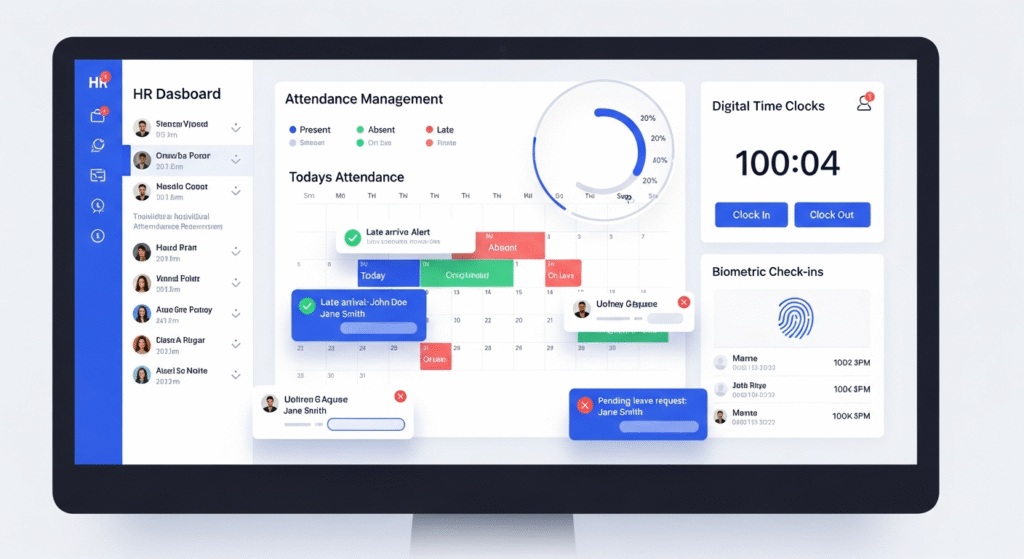
Top Features to Look for in an Attendance Management System

Introduction Top Features to Look for in an Attendance Management System There’s something quietly fascinating about the way organizations evolve. You can see the big changes the cloud migrations, the automation projects, the AI experiments but the smaller operational shifts often go unnoticed. One of the most overlooked transitions happening today is how companies rethink attendance. Something that used to be treated as a routine HR chore has now become a data-powered ecosystem of insights. And at the center of that transformation sits the modern attendance management system. It’s no longer just a way to mark who showed up and who didn’t. In today’s workforce distributed, hybrid, flexible, mobile the attendance management system becomes a living network of truth. It tells the story of how employees work, where bottlenecks appear, how productivity flows, and how organizations can adapt faster. If companies once managed attendance as a compliance requirement, now they manage it as a strategic advantage. But not all systems are created equally. Some simply digitize the old process. Others redefine what workforce visibility means. And when you’re choosing the right attendance management system, the difference between the two is massive. The future belongs to those who choose a system that understands people not just patterns. Why Attendance Technology Suddenly Matters If the last decade has taught the corporate world anything, it’s that work doesn’t happen in a single building anymore. Employees clock in from offices, homes, field locations, airports, co-working spaces, and places HR never expected. Managers are no longer looking over cubicles. Teams aren’t gathering in conference rooms. Yet accountability still matters. Productivity still matters. Transparency still matters. This is where the attendance management system shifts from a “nice-to-have” module into the backbone of workforce operations. It helps every employee regardless of location, schedule, or department move in sync with the organization. It helps companies build a culture of accuracy without micromanaging. It helps leaders understand not just when employees are working, but how work is happening. A company cannot promise a modern work experience while relying on outdated tools for something as essential as attendance. The system becomes the silent architecture behind trust, fairness, and decision-making. And when built correctly, it becomes far more than a digital timesheet. It becomes a reflection of the organization’s maturity. The Foundation of a Smarter Workforce As someone who has observed digital transformation up close for years, I’ve learned that every organization faces the same challenge: keeping internal systems human while making them scalable. The best technology doesn’t just automate tasks it improves the human experience behind those tasks. A powerful attendance management system does exactly that. It gives employees clarity about their schedules, fairness in their records, and confidence that their contributions are tracked accurately. It gives HR teams relief from repetitive corrections and endless follow-up emails. And it gives leaders real-time insights into workforce patterns that used to be hidden. The right system changes how people feel about work. And that feeling becomes culture. What a Modern Attendance Management System Must Deliver When you peel back the layers of a strong attendance management system, you’ll find the core features aren’t just technical they’re emotional. They build trust. They reduce conflict. They eliminate ambiguity. They allow organizations to treat employees like adults instead of time stamps. But to create that environment, the system needs intelligence, flexibility, and transparency. And it needs to work in the rhythm of the modern workplace. Real-Time Tracking That Keeps Workflows Honest There is a world of difference between recording attendance and understanding attendance. Old systems do the former. Smarter systems do the latter. They capture attendance in real time, without delays, without manual backtracking, and without the errors that come from human memory. Real-time data is the foundation of trust. Employees know their presence is recorded accurately the moment they check in. Managers can see workforce activity unfolding, not after-the-fact reports that miss the story. And HR teams no longer chase corrections because the system maintains an accurate timeline by design. When an attendance management system updates in real time, it becomes a living dashboard constantly evolving, always reliable. Seamless Integration With Everyday Workflows Technology that doesn’t blend into daily work becomes an obstacle. And employees don’t like obstacles. The attendance management system has to feel invisible part of the natural flow of the workday. It should integrate with payroll, leave management, shift planning, project management, biometric systems, mobile apps, and even access control. Because when systems talk to each other, people spend less time fixing inconsistencies. Pay becomes accurate. Leave balances stay updated. Shift compliance becomes automatic. You eliminate the messy overlap of manual entries and contradictory records. Integrated attendance is not just convenience it’s operational stability. Flexible Options for a Hybrid Workforce Today’s workforce doesn’t operate in a single pattern. Some work in rotating shifts. Some log in remotely. Some travel. Some work in distributed teams across countries and time zones. A rigid attendance management system simply cannot serve this diversity. A modern system adapts. It understands flexible schedules. It supports hybrid check-ins. It recognizes mobile attendance. It records shifts dynamically. And it respects the reality that not everyone begins their day at the same time. When flexibility is built into the attendance management system, employees feel supported—not restricted. And that feeling shows up in their engagement. Mobile Attendance That Matches Modern Work Habits The world lives on mobile devices. So should attendance. A smart attendance management system doesn’t require employees to hunt down hardware or log into outdated portals. It allows them to check in securely from their phones. It uses geolocation, geofencing, or network-level validation to confirm they’re exactly where they need to be when checking in. For field employees or remote teams, mobile attendance is not just a feature it’s survival. It removes friction from people who already navigate complex work environments. And it ensures that the company maintains accurate workforce tracking regardless of location. Shift Intelligence That Actually Works Shift management used to be the HR equivalent of
HRMS

Building a Smarter Employee Help Desk: Tools, Features, and Benefits

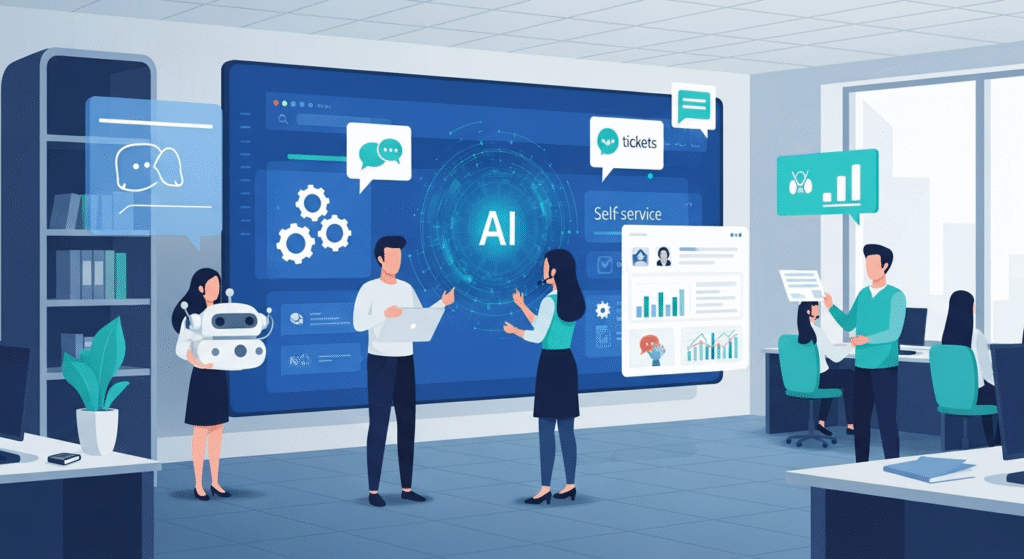
Introduction Building a Smarter Employee Help Desk: Tools, Features, and Benefits There’s a moment in every company, whether it’s a fast-moving startup or a legacy enterprise, where employees hit a wall. Maybe their system login isn’t working. Maybe payroll needs correction. Maybe their project access hasn’t been granted. Or maybe they just need someone, somewhere, to respond to their question before the entire workday collapses into frustration. This is the quiet, unglamorous reality of internal operations. Employees need help. They need it quickly. And internal teams often become overwhelmed by repetitive queries that pile up faster than they can respond. This is exactly where a smarter employee help desk comes in. It’s not just a ticketing system. It’s not just a support inbox. It’s the backbone of internal communication, the steady infrastructure that keeps the company functioning without chaos. Companies talk endlessly about innovation, digital transformation, and the future of work. But if their internal support is stuck in a loop of unanswered emails and manual troubleshooting, there’s nothing futuristic about that. A smarter employee help desk solves this gap by giving employees a clear, reliable way to get help, while giving HR, IT, finance, and admin teams the structure they desperately need. This is not a small upgrade. It’s a complete reboot of how internal support works. Why a Modern Employee Help Desk Matters More Than Ever If you look closely at how employees work today, it becomes obvious why traditional support systems fall apart. People are remote. People work at different times. People rely heavily on digital tools. And when something breaks, slows down, or becomes unclear, the entire workflow stalls. The employee help desk becomes the lifeline the first point of contact when something goes wrong. But many companies still treat it like an afterthought. They use email threads, random WhatsApp messages, spreadsheets, and makeshift systems to manage issues across departments. This leads to predictable problems: Employees chase updates. Departments lose track of requests. Small issues become bigger problems. No one knows who’s responsible for what. And support teams burn out. A smarter employee help desk eliminates these headaches by centralising help, tracking every issue properly, and creating an organised, transparent flow. It removes the guesswork from internal support and replaces it with structure. And structure, especially in modern workplaces, is gold. Moving From ‘Ask Around’ to Actual Support Infrastructure In many companies, support happens through what I call the “ask around ecosystem.” If an employee needs something, they message a colleague, who tells them to message another colleague, who then tells them to try sending an email “to this person who usually handles that.” That is not support. That is organisational roulette. A proper employee help desk ends this internal scavenger hunt. Employees have a single place to ask for help. A system, not a person, tracks the request. The right department is automatically notified. And employees can finally move on with their work without running around trying to find answers. This shift alone boosts productivity more than most leaders realise. Work stops getting stuck. People stop feeling helpless. And teams stop wasting time answering the same questions repeatedly. What Makes an Employee Help Desk “Smart”? A smarter employee help desk isn’t just a ticketing tool. It’s a mix of automation, knowledge-sharing, fast routing, and a clean user experience. It doesn’t overwhelm employees with tech complexity. Instead, it quietly works in the background to keep support flowing. These are the core components that separate a regular help desk from a smart one. A Unified Support Portal Employees Actually Use The heart of a great employee help desk is a centralised portal where employees can submit requests without confusion. No one should be guessing where to go or searching old emails for “the person who helped last time.” The portal becomes the single access point for everything: IT issues, HR queries, admin requests, payroll errors, access problems, hardware needs, and general questions. It acts like the internal version of customer support, except the customers are employees, and their time matters just as much. When employees have a clear entry point, half the battle is already won. Intelligent Ticket Routing That Speeds Up Help The smartest part of a modern employee help desk is how it directs requests. Instead of dumping everything into a shared inbox, the system automatically routes each ticket to the right team IT, HR, finance, procurement, admin, compliance, or facilities. This routing happens instantly. The right people get notified. Employees stop waiting for misdirected emails. Routing is what turns internal support from reactive chaos into planned flow. Automated Responses That Don’t Feel Robotic No one likes generic auto-replies, but employees do appreciate fast acknowledgement. A smart employee help desk sends instant updates but with personalisation. Automation isn’t about replacing humans it’s about reducing the silent periods when employees wonder what happened to their request. Knowledge Base Articles That Actually Help A big part of any strong employee help desk is a live, updated knowledge base. These are simple articles that answer common questions like: “How do I reset my password?” “How do I apply for reimbursements?” “What’s the process for adding dependents to insurance?” Employees should be able to fix basic problems themselves without waiting for someone to respond. That kind of self-service reduces ticket volume drastically and makes support teams more efficient. An Interface That Doesn’t Look Like 1998 If a support system feels confusing or outdated, employees won’t use it. A smart employee help desk has a clean, intuitive design. Submitting a request should feel as easy as sending a message. Checking updates should take seconds. Real-Time Tracking So Employees Don’t Chase Updates One of the biggest sources of frustration is not knowing what’s happening. Employees keep refreshing emails or nudging support teams because they feel left in the dark. A good employee help desk eliminates this with a simple real-time dashboard showing who is working on the issue, what stage it’s in, and when they can expect resolution. Analytics That

HRMS

How an Employee Self-Service Portal Improves Efficiency and Engagement

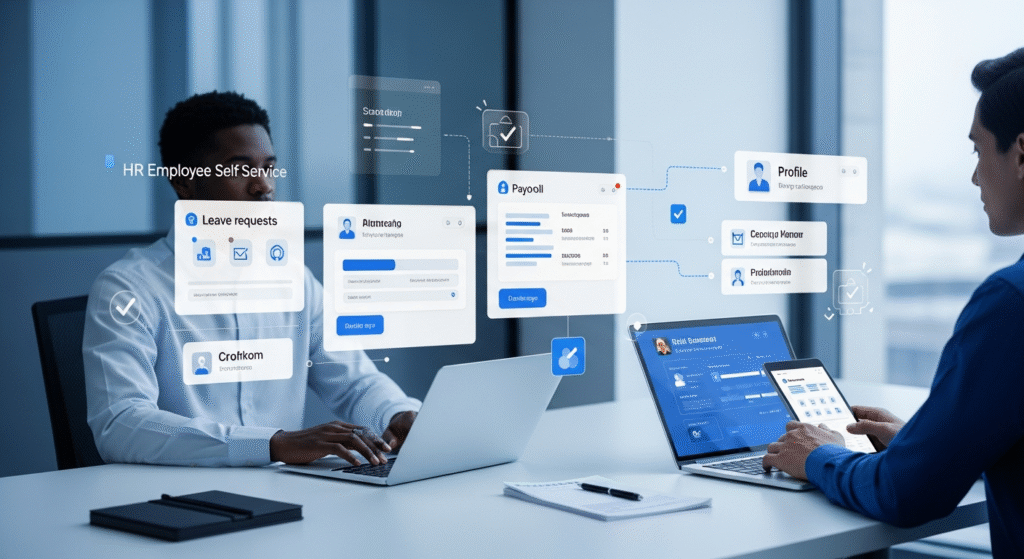
Introduction If you’ve ever sat at your desk waiting for an HR email to arrive, or refreshing your inbox because you really need that payslip or leave update, then you already understand why workplaces get unnecessarily slow. It’s weird when you think about it. We live in a world where we can order food in minutes, track deliveries on our phones, check bank balances instantly, and even do video calls with people across the world. But inside many companies, getting a simple HR document still feels like something that requires patience, luck, and maybe a few reminders thrown in. Most employees don’t complain about this out loud, but everyone feels it. And HR feels it even more, because they’re the ones trying to answer all these small requests. They might not say it, but they spend a huge chunk of their time doing work that honestly shouldn’t need a human being involved. That’s where the employee self-service idea makes so much sense. It isn’t some high-tech, futuristic concept. It’s basically giving employees access to their own information so they can get what they need without depending on HR. Simple idea, but it changes more than you’d expect. What I’ve noticed (and maybe you’ve seen this too) is that the smallest workplace problems create the biggest frustration. Not the big decisions, not the huge projects, just the everyday stuff. If you can fix the everyday stuff, suddenly people feel like the workplace is organised, modern, and respectful of their time. And that’s exactly what an employee self-service portal does. The Daily HR Requests That Slow Everyone Down Let’s be honest, nobody likes sending those “Hi, can you please send me my payslip?” emails. And HR doesn’t enjoy replying to them either. It’s not meaningful work for anyone. It’s just part of the system because there’s no better option. Or at least, there wasn’t a better option before self-service became common. You know how it goes. Somebody needs a tax document. Another person wants to check their leave. Someone else needs to update their phone number. HR becomes the middleman for everything. Employees wait longer than they want to. HR gets buried under repetitive tasks. Everyone feels a little frustrated, even though nobody’s doing anything wrong. A self-service portal removes that entire loop. You need something? You log in, you take it, you move on. No waiting. No reminders. No delays. It’s honestly surprising how much smoother the office feels when employees stop depending on HR for basic things. Employees Get More Control (And That Feels Good) Something people don’t usually talk about is the emotional part of work. When employees have to wait for someone else to help them with something simple, they feel dependent, and sometimes even helpless. It’s not a huge problem, but these tiny feelings build up. But when employees can get their own documents, check their own records, or update their own information, it gives them a small sense of control that matters more than most companies realise. It feels like the organisation trusts them. It feels respectful. And honestly, it feels less embarrassing than asking HR for something like a payslip you need for a loan or a rental agreement. Self-service makes employees feel more “grown up” at work, and that makes a difference in how they see their company. HR Finally Has Space to Breathe If you talk to anyone in HR (not in a meeting, but casually), they’ll tell you how draining it is to deal with the same requests over and over again. These tasks take time, but they don’t move the company forward. HR professionals want to work on things like training programs, employee development, culture building, hiring improvements, and real employee support, but they often don’t have the bandwidth. With self-service, a huge portion of their daily workload simply disappears. They don’t get emails asking for leave details. They don’t have to pull out salary slips. They don’t have to manually update someone’s personal information. Suddenly, HR has time for actual HR work instead of clerical tasks. Workplaces Aren’t All Office Desks Anymore In many companies, people don’t sit at desks all day. Some work on shop floors, some in the field, some in hospitals, some in warehouses, and many from home. These employees rarely have easy access to HR or office systems. And asking HR for something becomes even more complicated. This is where a self-service portal, especially one that works well on mobile, becomes a lifesaver. An employee can check their attendance while commuting. Another can apply for leave after a night shift. Someone working remotely can download a document needed for a bank visit. They don’t need a laptop, a VPN, or an office network. They just need their phone. Remote Work Doesn’t Have to Feel Scattered When remote work became normal, many companies discovered just how dependent they were on in-person HR processes. Things that were easy in the office, like checking on onboarding documents or asking HR a small question, became time-consuming. A self-service portal keeps everything in one place. New joiners can upload their documents. Employees can check policies. Everything stays updated and available without needing the office. For teams spread across multiple locations or countries, this becomes even more important. Fewer Mistakes and Fewer Misunderstandings You’d be surprised how many problems come from simple human error. Someone updates the wrong sheet. Someone forgets to enter attendance. Someone emails an outdated version of a policy. These things happen because manual processes leave room for mistakes. When employees use a self-service portal, there’s far less room for confusion. People see their records directly. Changes update instantly. Information is consistent for everyone. Convenience Turns Into Engagement When people talk about employee engagement, they usually jump to big ideas like rewards, benefits, fun activities, feedback sessions, and so on. Those things are good, but everyday convenience plays a bigger role than most leaders realise. Think about this: if employees constantly feel stuck or delayed because of internal

Cloud Based HRMS
HRMS

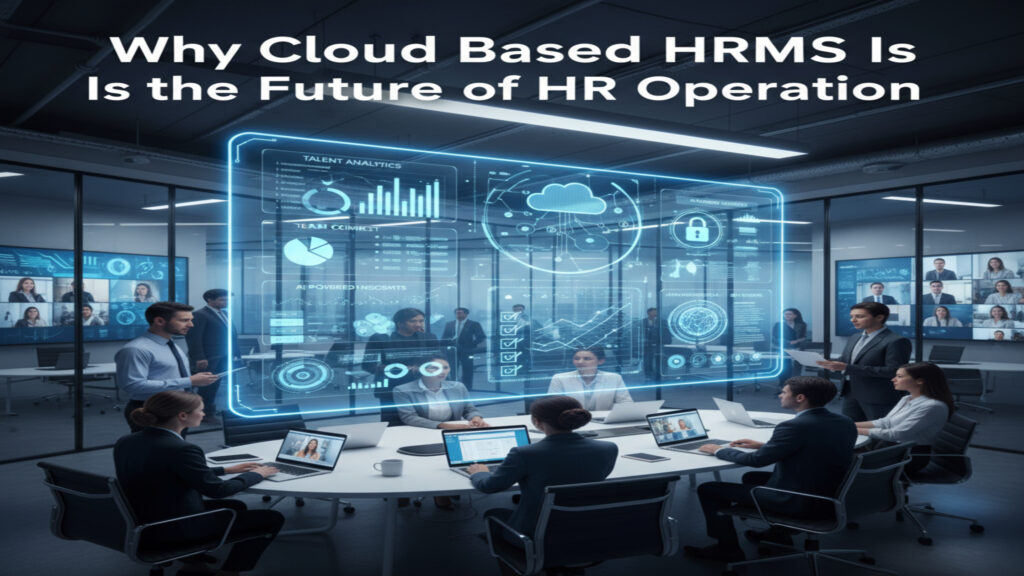
Why Cloud Based HRMS Is the Future of HR operation

Introduction In the moment’s fleetly evolving business world, associations across the United States are under growing pressure to manage their pool more efficiently. The rise of mongrel and remote work, the demand for real- time hand data, and the need for flexible systems have fully reshaped how mortal coffers brigades operate. Traditional HR systems that calculate on homemade updates or on- premise software no longer meet the dynamic requirements of ultramodern associations. This shift has led to the rise of a important invention that’s transubstantiating the HR geography cloud grounded HRMS.  A cloud grounded Human Resource Management System (HRMS) integrates every HR function into one centralized platform accessible anytime and anywhere. It eliminates specialized complications, ensures data security, improves scalability, and reduces functional costs. For U.S. companies navigating changing compliance regulations and a competitive gift request, pall grounded HRMS has come not just an option but a strategic necessity.  This composition explores why pall grounded HRMS is getting the foundation of HR operation, its major advantages, how it supports business growth, and what features define the future of HR operations in the digital age.  The Shift Toward Cloud Technology in HR : Over the past decade, U.S. businesses have moved the utmost of their core systems from counting to client operation to the pall. mortal coffers technology followed the same trend. Originally, HR systems were simple record- keeping tools. They helped track attendance, payroll, and hand details but demanded real- time perceptivity and collaboration capabilities.  With the emergence of pall computing, HR departments can now perform data- driven functions without tackle limitations. pall grounded HRMS results allow brigades to manage workers ever, update programs incontinently, and share reports securely with top operation. These systems are continuously streamlined by merchandisers, icing HR professionals always have access to the rearmost features and compliance support.  pall relinquishment has accelerated especially after the global epidemic, as U.S. companies honored the significance of remote availability. pall HRMS platforms allow HR professionals to handle reclamation, onboarding, payroll, and analytics through secure online access, perfecting durability and effectiveness indeed in distributed workplaces.  What Makes Cloud Grounded HRMS Different : Traditional HR software frequently needed heavy installation, on- point waiters, and constant IT support. In discrepancy, a pall grounded HRMS operates through the internet, hosted securely on a remote garçon. This makes it largely flexible and adaptable to a company’s evolving requirements.  Key differentiators include: Scalability : Businesses can fluently expand the system as their pool grows.  Availability : brigades can log in anytime, anywhere using any device.  Automatic updates:  merchandisers manage software upgrades and security patches automatically.  Reduced costs : There are no structure or conservation charges.  Data integration : Cloud HRMS connects seamlessly with payroll, account, and performance systems.  These advantages have made pall HRMS the favored choice for both small businesses and large enterprises in the United States.  Benefits of Cloud Based HRMS for U.S. Companies : Enhanced Availability and Inflexibility  Ultramodern workforces anticipate flexible systems that support remote and cold-blooded surroundings. pall HRMS enables HR brigades to pierce hand data from any position. Whether approving leave requests, covering attendance, or managing reclamation, HR professionals can perform tasks in real time.  workers also profit from tone- service options that allow them to view payslips, update biographies, and submit forms without depending on HR staff. This inflexibility reduces executive workload and enhances hand satisfaction.  Improved Data Security  One of the biggest misconceptions is that pall systems are less secure. In reality, estimable HRMS providers invest heavily in encryption, data redundancy, and compliance with data protection laws similar as GDPR and CCPA. For U.S. companies dealing with sensitive hand information, these systems insure that data remains defended throughmulti-layered authentication and secure access protocols.  Regular security checkups, automatic backups, and translated communication channels make pall HRMS safer than numerous traditional on- premise systems.  Cost effectiveness and ROI  Cloud HRMS eliminates the need for precious structure and homemade updates. Since everything runs on subscription- grounded models, businesses only pay for the features they use. This reduces the fiscal burden of setup, garçon conservation, and specialized staffing.  The cost savings extend to productivity earnings as HR brigades spend lower time on paperwork and further time on strategy. The return on investment becomes apparent in bettered effectiveness, reduced development, and briskly reclamation cycles.  Seamless Integration with Business Systems  ultramodern HR functions depend on collaboration between departments. pall HRMS platforms integrate fluently with tools similar as payroll operation, ERP, CRM, and time tracking systems. This unified ecosystem creates a single source of verity, allowing data to flow easily across departments and enabling leaders to make informed opinions.  Real Time Analytics and Reporting  Decision making in HR has evolved beyond gut passions. pall HRMS platforms give important analytics dashboards that transfigure hand data into practicable perceptivity. directors can track attendance patterns, dissect development rates, identify skill gaps, and cover performance trends incontinently.  Data- driven HR not only improves planning but also helps companies align pool operation with long- term business pretensions.  Driving Employee Engagement and Retention : Hand experience is at the heart of successful HR strategies. pall HRMS plays a pivotal part in perfecting engagement through tone- service access, transparent communication, and nonstop feedback mechanisms. When workers have access to their data and feel empowered to manage their information, their trust and satisfaction increase.  Features like recognition programs, performance shadowing, and palpitation checks foster a culture of appreciation and responsibility. Companies in the U.S. that borrow pall HRMS results frequently report advanced retention rates due to these engagement advancements.  Ensuring Compliance and threat operation :  Compliance remains a major concern for U.S. businesses that must cleave to labor laws, duty regulations, and data sequestration norms. pall HRMS simplifies compliance by automating policy updates and record keeping. Systems can be configured to track nonsupervisory changes, induce accurate reports, and insure that every process  from hiring to termination follows legal guidelines.  erected- in inspection trails and interpretation control features help HR brigades demonstrate compliance during examinations, minimizing threat and legal exposure.  How Cloud

HRMS

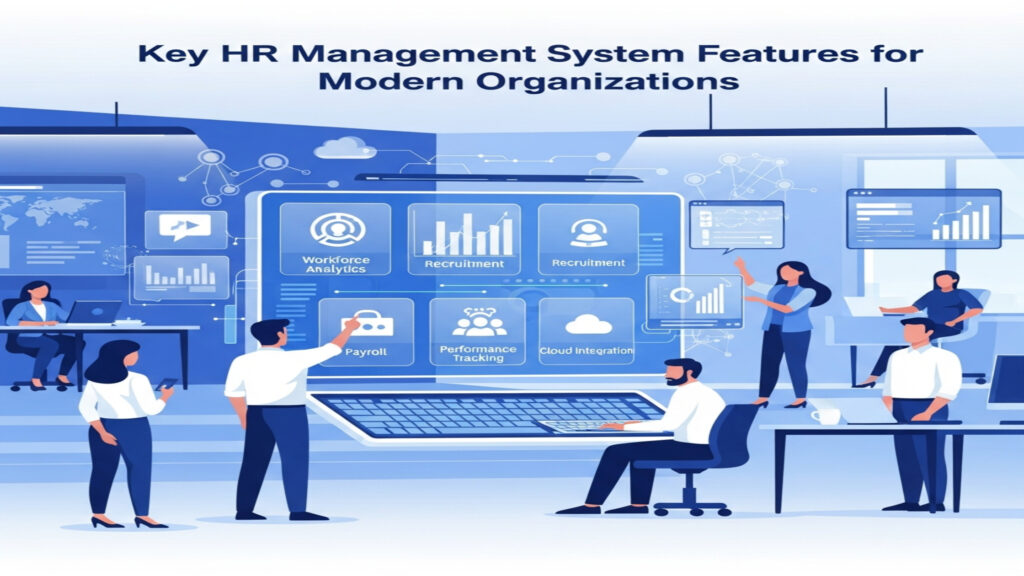
Key HR Management System Features for Modern Organizations

Introduction In the moment’s presto changing business world, associations face growing pressure to manage their people more efficiently. brigades are more different, work locales are more flexible, and hand prospects are advanced than ever. To meet these evolving requirements, companies are turning to advanced mortal Resource Management Systems, or HRMS.  An ultramodern HRMS platform is n’t just a tool it is the foundation that keeps people, processes, and productivity connected. It helps HR professionals automate tasks, gain visibility into pool data, and produce a flawless experience for workers from reclamation to withdrawal.  Still, with so numerous results available in the request, relating the must-have features in an ultramodern HRMS platform can be inviting. This companion explores every essential element a future- concentrated HRMS should have, helping decision- makers choose the right system for long- term success.  1. Consolidated Hand Database : Every effective HRMS begins with a centralized hand database. This point serves as the core where all hand information is stored and streamlined in real time.  Rather than maintaining multiple spreadsheets or paper lines, HR brigades can manage particular details, job places, performance records, and benefits data in one position. This centralization reduces duplication, ensures data delicacy, and simplifies compliance reporting.  A truly ultramodern HRMS allows authorized workers to pierce and modernize their information directly through a secure gate. This reduces reliance on HR staff and ensures that information remains accurate across departments.  When everyone in the association works from the same, dependable data source, communication improves, and opinions come more informed.  2. Reclamation and Onboarding robotization : The hiring process defines the strength of an association’s pool. A strong HRMS simplifies reclamation by automating job bulletins, aspirant shadowing, and seeker evaluation.  Babe can produce job rosters, partake them across multiple platforms, and manage aspirants from a single dashboard. Integration with dispatch and timetable systems ensures smooth communication and interview scheduling.  Once a seeker is named, onboarding begins automatically. The HRMS can shoot digital welcome accoutrements , collect necessary documents, and guide the new hand through company programs and benefits registration.  This point makes the onboarding experience smooth, effective, and engaging. New workers feel valued from day one, and HR professionals save hours of executive work.  3. Payroll Management and Compensation : Payroll delicacy is vital for hand trust and satisfaction. Delayed or incorrect payments can lead to frustration and low morale.  A ultramodern HRMS platform automates payroll computations, duty deductions, and benefits distribution. It ensures compliance with U.S. labor and duty laws while minimizing mortal error. Integration with account and finance systems also ensures thickness between departments.  workers should be suitable to view pay slips, langiappes, and deductions directly from their portal. By barring homemade computations and blessings, HR brigades can reuse hires briskly and with complete translucency.  4. Performance Evaluation and nonstop Feedback : Performance operation has evolved beyond periodic reviews. Workers now anticipate nonstop feedback, recognition, and openings for growth.  An ideal HRMS includes features for thing setting, performance shadowing, and real- time feedback. Directors can record compliances, track progress, and initiate development plans all within the same platform.  Advanced HRMS systems also include performance analytics to identify top players and help address skill gaps. This data- driven approach ensures that workers feel honored while the association aligns gift development with business pretensions.  nonstop feedback encourages communication, translucency, and growth a vital part of any people-first association.  5. Time, Attendance, and Scheduling Tools : Tracking hand attendance manually is hamstrung and error-prone. An ultramodern HRMS automates this process with attendance shadowing, shift scheduling, and leave operation features.  Workers can check in and out using biometric bias, mobile apps, or web- grounded systems. directors can cover attendance trends, authorize leave requests, and manage schedules painlessly.  Integration with payroll ensures that working hours are calculated directly, minimizing controversies and saving time.  For remote or field- grounded brigades, GPS- enabled attendance shadowing ensures responsibility and inflexibility. This point improves overall pool discipline while maintaining a healthy work- life balance.  6. Hand tone- Service and commission : Hand tone- service is one of the most empowering aspects of an ultramodern HRMS. It allows workers to manage particular details, access HR documents, view benefits, or request leave without reaching HR.  Directors profit as well. They can authorize requests, assign tasks, and track performance criteria incontinently. This not only saves time but also encourages responsibility and translucency across the association.  A well- designed tone- service gate enhances hand satisfaction because it provides easy access to critical information anytime, anywhere.  7. Analytics, Dashboards, and perceptivity : Data is at the heart of ultramodern HR operations. HR professionals calculate on analytics to make informed opinions about reclamation, retention, and pool planning.  A robust HRMS platform provides customizable dashboards that present pool data in easy- to- understand visual formats. From waste trends to productivity situations, analytics transfigure raw data into meaningful perceptivity.  Prophetic analytics also help anticipate unborn pool requirements, similar as implicit adoptions or training conditions. By relating patterns beforehand, associations can respond strategically and maintain effectiveness. 8. Learning and Development : Nonstop literacy is crucial to organizational growth. A ultramodern HRMS should include or integrate with a Learning Management System(LMS) to deliver training programs effectively.  Workers can enroll in courses, track progress, and earn instruments, all from within the same platform. HR directors can assign literacy paths grounded on performance reviews or career pretensions.  literacy analytics measure skill development and training effectiveness. This creates a culture of growth and invention, encouraging workers to ameliorate continuously while aligning their pretensions with the company’s charge.  9. Compliance, sequestration, and Data Security : Hand data is one of the most sensitive means a company manages. icing that this information remains secure isnon-negotiable.  Ultramodern HRMS platforms must include advanced security features similar as encryption, access controls, and regular security checkups. Compliance with U.S. labor laws, as well as transnational norms like GDPR, is critical.  In addition, the HRMS should induce compliance reports automatically to simplify checkups and minimize threat.  A secure and biddable HRMS builds hand

hrms for legal firms
HRMS

Still Using Spreadsheets? Here’s Why That’ll Kill Your HR in 2026

The Human Resource Management System Heartbeat of Every Company It’s Monday morning. In a sunlit office, Maya, the HR manager, is juggling a stack of leave requests, payroll queries, an urgent compliance issue, and oh yes, a team member’s birthday she can’t afford to forget. Her desk is cluttered with sticky notes, colored files, and a laptop with far too many tabs open. She sighs, wishing there was a magical system to make everything run smoothly. That’s what an HRMS does. Not just software, but a silent partner, taking care of all those sticky notes, burdens, and small details so Maya could finally focus on what matters: real people. What Is HRMS, Really? HRMS stands for Human Resourse Management System. Think of it as the digital brain and heart behind every modern workplace. It doesn’t just store information, it orchestrates a symphony of payroll, attendance, onboarding, performance, training, and happiness. It’s the difference between chaos and harmony. As someone who has worked with the likes of Microsoft, Dell, Intel, AMD, and Google, I’ve seen firsthand how the best HRMS blends advanced tools with human touch. But the real “why” behind HRMS isn’t technology, it’s empathy. Businesses aren’t faceless machines. They are made of stories, dreams, and families. HRMS helps those stories flourish, giving every employee a place, a voice, and a reason to care. Life Before and After Human Resource Management System: Relatable Realities Before HRMS: The Messy Drawer EraDo you remember the “messy drawer” in your parents’ kitchen? The one full of keys, receipts, coins, and random gadgets? That was early HR management: a jumble of spreadsheets, paper forms, emails, unexpected surprises, and lost documents.I recall, in my earliest tech writing gigs, the frustration in offices: Employees didn’t get paid on time. Managers lost track of training. Birthdays or anniversaries faded into piles of paperwork. After HRMS: The Peaceful Playground Now, every detail is found with a click. Birthdays are celebrated on time. Leave requests don’t get lost. Payroll is consistent. Training and growth don’t slip through the cracks. HRMS becomes the trusted playground supervisor, making sure kids play fairly, feel safe, and don’t miss out on having fun. And for Maya, our HR manager? Her desk is clear, her smile is real, and her team feels loved. Human Superpowers: How HRMS Helps Everyone Payroll: Respect and ReliabilityImagine Raj, who works hard all month, only to find his salary is wrong. It’s not just numbers it’s dignity. HRMS ensures every payment aligns perfectly, every time, so families are secure and trust grows. Attendance: Truth and TransparencySonal clocks in early, and the old system forgets. Resentment builds. HRMS tracks her punctuality, recognizes her effort, and restores fairness. Recruitment: Welcoming the NewcomersOnboarding shouldn’t feel cold like being lost in a sea of forms. At Google, I saw HRMS send instant welcome messages, orientation schedules, and even jokes to help new joiners feel at home. Performance: Meaningful GrowthAnnual reviews once meant dread and confusion. With HRMS, feedback is regular, constructive, and holistic. Employees know how they’re growing and what awaits if they reach a new height. Leave and Benefits: Balancing Life and WorkWhen little Aarav is sick, his parents’ leave request goes through seamlessly. No paperwork nightmare, just understanding and support. Happiness and Engagement: Caring Every DayI’ll never forget a story from Intel’s HR team: HRMS flagged that a whole department seemed disengaged. Managers dug deeper, found burnout risks, and introduced “coffee breaks” and team games. Morale shot up. That’s HRMS in action, not cold code, but warm solutions. The Secret Sauce: Why Businesses Need HRMS in 2025 Remote Work, Real ConnectionThe world is changing fast, teams work from home, cafes, and even mountaintops! With HRMS, no one is left behind. A manager in Bengaluru can track attendance and performance for a coder in Berlin with ease and care. Smart Insights For Smart GrowthModern HRMS doesn’t just store information. It creates helpful reports, predicts trends, and asks questions you might miss. “Who’s at risk of leaving? Which skills are missing?” answers in seconds. Security, Privacy, and Peace of MindHRMS takes care of personal data, locking files away like your parent guards the family’s secrets. In a digital age full of hacks, this trust is essential. Scaling From Shop to SuperpowerUsing HRMS, a five-person startup can grow to a global powerhouse without ever losing track of an employee’s birthday or performance review. HRMS for Humans, Not Just Big Companies, But Every Team Whether you run a bakery or a tech startup, HRMS helps you punch above your weight. No more wasted Saturdays on payroll. No more embarrassing lost documents. Everything you need is accessible, simple, and affordable. And in big companies like Dell and AMD, HRMS solves the even bigger problems: massive onboarding, cross-border compliance, and quick adaptation to new regulations. HRMS means joy for employees and relief for HR teams everywhere. Choosing Your HRMS Guided by Experience, Not Hype Having helped giants like Microsoft choose their systems, here’s my advice. Don’t be dazzled by shiny features. Look for these instead: Genuine Ease-of-Use: Can a new employee figure it out without a manual? Integration: Does it work with your payroll, calendar, and training platforms? Reporting: Can managers find what they need, or is it lost in jargon? Support: Will you get help from a truly caring expert? Flexibility: Can you adapt it to your company culture? Mobile: Can your team use it on their phones at home, in transit, anywhere? Security: Are your data and dreams safe The Future HRMS Blending Tech With Human Emotion   AI and Machine Learning: Imagine predicting employee happiness or suggesting new learning paths before problems even arise. Voice and Chat Integrations: Employees ask questions naturally and get answers instantly. Emotional Analytics: Spot when morale dips, and support folks before issues go deep. Total Integration: Payroll, learning, and scheduling are connected in one flow. The HRMS of tomorrow doesn’t feel like software. It feels like a caring colleague, always nearby. The Five-Year-Old Test Explaining HRMS Simply Imagine

HRMS

Still Processing Payroll Manually? Here’s Why That Could Cost You Big in 2026

Introduction: Why Payroll Management Matters Imagine you’re at home, and your parent hands you your monthly allowance for being helpful and kind. How do you feel? Happy, proud, maybe planning what you’ll buy next! Now, imagine your parent forgets or gives you the wrong amount. It’s confusing and maybe even unfair. In every business, whether it’s a five-person bakery or giant teams at places like Dell, Microsoft, AMD, Intel, or Google, the story is exactly the same. But instead of an allowance, it’s paycheck day. Here’s where Payroll Management steps in as a magical, trustworthy process to make sure everyone in a company gets paid fairly, easily, and with a smile. What is Payroll Management? The Friendly Definition Let’s strip away the buzzwords. Payroll Management is a system that thinks of it like a combination of a manager’s brain, calculator, and diary that tracks how much each employee worked, calculates their payment, deducts taxes, and delivers the right pay on time. But here’s the secret: modern PM is not just about numbers. It’s about trust, culture, and everyday happiness. When employees know their work is valued and their paycheck is accurate, they feel cared for. It’s the first building block for a happy, thriving workplace. The Payroll Management Playground Picture a playground at recess. Every child wants their turn, to be treated fairly on the slide, to get a sticker for good teamwork. If someone’s left out, the whole mood changes. Now swap children for employees. PM is the playground supervisor making sure everyone gets a fair turn, keeping notes for special needs workers (“extra playtime for Sam!”), giving rewards (“bonus for Jane!”), and making sure no one is forgotten. From my work with Microsoft’s global teams, I’ve seen PM done both ways: With care, everyone feels valued. With errors, trust slips, confusion grows, and even productivity falls. How Payroll Management Works From Timecards to Triumphs Time Tracking Digital or paper systems log working hours, breaks, holidays, and sick leave. At Google, this was tied to smart badges; a swipe in the door started your workday. PM gathered the data instantly. Wage Calculation Not all jobs are paid the same! Full-time, part-time, overtime, bonuses. PM does the math, so no one feels short-changed. Tax Deductions Governments set complex rules. PM keeps track, deducts correctly, and files taxes so employees aren’t worried about compliance. Salary Disbursement PM ensures pay arrives by direct deposit, check, or even modern fintech apps. Reporting and Records In growing companies, audits and reports are essential. PM provides instant downloadable records for managers, accountants, and legal teams. Employee Self-Service Modern PM lets employees view their pay history, request changes, or ask questions online, no more “waiting for HR.” The Real-World Impact Stories from Top Companies At AMD Tech teams in multiple countries had dozens of wage schemes, bonuses, and overtime rules. PM streamlined it all, engineers felt secure, HR worked smarter, and managers could focus on innovation. At Intel PM is integrated with training and review cycles, offering real-time adjustments. Pay was always on time. Employees grew loyal, attrition dropped, and trust deepened. For Small Business Owners Even five-person startups that learned PM kept their team feeling equal and respected, preventing conflict (“Did I get paid fairly?”) and making growth much easier. Why Growing Companies Honestly NEED Modern Payroll Management Growing companies, especially in tech, can’t survive on manual spreadsheets. Here’s why you need robust PM: Accuracy: Human error is real. Even a tiny mistake can mean financial stress for an employee. Compliance: Laws change and vary by location. PM evolves with rules, so you don’t face fines or legal headaches. Speed and Efficiency: Getting payroll done used to take days. Now? It’s minutes. That leaves managers time for strategy. Scalability: Whether you hire 5 or 500 new employees, Payroll Management grows as you do. Security: Employee pay data is private. PM keeps it locked, encrypted, and secure. Employee Experience: Happy paydays create happy teams, great reviews, and, naturally, more growth. I remember partnering with Dell, where PM became the backbone for scaling from regional to international teams, smooth, drama-free, and joyous. Payroll Management and Employee Happiness: A Human Perspective No one likes uncertainty, especially about their livelihood. PM is ultimately a trust-building tool. Employees feel secure. Families are stable. Productivity rises. Culture glows. And when something goes wrong? Modern PM systems offer transparency. Employees see the fix in real-time. The anxiety melts away. Choosing the Best Payroll Management Software Tips from a Tech Content Writer Having gathered feedback from leaders at Google, Intel, and Microsoft, here’s what matters: Intuitiveness: Can a five-year-old (or a busy manager!) figure it out without calling support? Customization: Every company is unique; choose a PM that adapts to your needs. Integration: Does it connect easily with your HRMS, accounting, and time-tracking? Mobile Access: People work everywhere. PM shouldn’t tie them to a desk. Compliance Tools: Automatic updates for local/national/global rules. Support: When the unexpected happens, is customer service empathetic and quick? Always test the software as a team, leave room for real feedback, not just IT opinions. Troubleshooting When Payroll Management Goes Wrong   Missed Payments: Act fast. Use PM’s audit trail to find the mistake and fix it right away. Incorrect Tax: Flag errors, consult the built-in compliance dashboard, and reach out for expert support if necessary. System Glitches: Maintain backups, offer paper records in emergencies, and reassure employees. Employee Confusion: Host payroll Q&A sessions, create guides (I write many!), and build trust through transparency. From my work at AMD, pay system errors were always solved fastest when managers stayed honest and used PM’s built-in checks. The Future: What’s Next in Payroll Management?   AI-Powered Insights: Predict salary trends, flag fairness gaps, and recommend bonuses. Voice Help Desks: Employees ask, “What was last month’s overtime?” and get answers instantly. Global Scaling: Multicurrency, cross-border payments simplified. PM is borderless. Real-Time Alerts: Employees are notified of pay, bonuses, or changes instantly via phone notifications. The playground keeps getting friendlier, and everyone

HRMS

HR Bottlenecks? Here’s the Software That’s Fixing Them for Good

Introduction: Let me take you inside my world, the one I’ve lived for decades working with people and technology at bustling global companies like Dell, Microsoft, AMD, INTEL, and Google, and at tiny startups with giant ambitions. It’s Monday morning. Maya, the HR manager, stands by the coffee machine, sighing at another inbox full of requests. She’s a people person, not a paperwork robot, but every week, she faces mountains of leave forms, onboarding spreadsheets, appraisals lost in version control, and phone calls about missing paychecks. For years, I saw Maya and thousands like her all across the companies I advised. They wanted to help teams bloom, but got trapped in admin quicksand. Then, quietly at first, Human Resource Management Software started changing everything. What Is Human Resource Management Software, Really? Human Resource Management Software (HRMS) is a digital toolkit that lifts the burden from managers like Maya. It’s not just a database or a fancy app, it’s the reliable friend who organizes everything, never forgets a name or a birthday, and makes sure every person gets paid, supported, and noticed, every single time. I remember sitting in a Dell conference room as they rolled out their first proper HRMS. Nerves were high. Would the system work, or just add more confusion? But by week two, something magical shifted: Paychecks arrived on time, birthdays popped up as cheerful reminders, and Maya smiled more. Why All Companies, Big and Small, Need HRMS Before HRMS: Manager’s waste hours chasing documents. Small errors snowball: missing pays lips turn into fiery email chains; leave requests vanish in the shuffle. Employees feel invisible, frustrated, or just plain confused. HR teams burn out, and great people quietly leave. After HRMS: Information is always where you expect it: leave balances, pay history, even training progress. New hires get welcomed warmly, not lost in limbo. Payroll works every time; compliance headaches fade. Most importantly: Managers spend less time on admin, more on people. That’s what I saw happen at AMD: whole departments shifted their energy from “putting out fires” to mentoring, building, and celebrating Breaking down HRMS for a Five-Year-Old “HRMS is like the teacher’s magic notebook. She remembers every kid’s birthday, who’s sick, who has gotten a gold star, and makes sure everyone gets enough playtime and snacks. Nobody gets forgotten, nobody is left out.” For grown-ups, it’s just that a system that cares about people first. The Real Human Impact Stories From Inside the Workplace New Joiners Feel SpecialAt Google, I watched onboarding transform with HRMS. Gone were the generic “Welcome!” emails. Instead, new hires got personalized videos from their managers, instant access to all the tools they needed, and a cheerful roadmap for their first month. Anxiety melted away, replaced by excitement. Payroll Nightmares Turn to DreamsWhen I worked on INTEL’s HRMS rollout, we discovered one team had been missing bonus payouts for months nobody dared speak up. The new HRMS flagged it instantly, fixed the issue, and managers apologized. Trust rebuilt, retention improved. Small Startups Scale without Losing Their SoulA three-person fintech team I advised feared that growing would mean forgetting birthdays and mixing up salaries. Their new HRMS meant they tracked little wins, gave out real-time kudos, and made remote collaboration a breeze. Growth stopped being scary. HRMS Features That Truly Matter Payroll That’s Always ReliableNo more guessing, no more “Did my money arrive?” HRMS connects to banks, checks calculations against labor laws, and sends friendly nudges if there’s a hiccup. Leave and Attendance: Simple, Fair, and TransparentEmployees see all their entitlements. When they need to rest, it’s just a couple of clicks. Nothing gets lost, nothing is marked “urgent!” in red ink. Onboarding and Training: Personal, Never GenericHRMS sends checklists, “meet the team” intros, and fun welcome tasks. People feel like their journey matters, not just their skills. Recognition That Feels RealNot just badges or stats, HRMS lets managers write real notes, share public kudos, and track career growth over the years. Security Data You TrustHRMS locks sensitive details (as tightly as you’d lock your diary), so only trusted eyes ever see private stuff. Manager Dashboards: For Humans, Not Just AnalystsSimple graphs, clear trends, HRMS gives leaders information they intuitively understand. No endless spreadsheets. Selecting HRMS: A Human-First, Technical Second Checklist Simplicity: Does your least technical teammate enjoy using it? Test with real users, not just IT staff! Customization: Every workplace is unique; your HRMS should celebrate, not crush, that spirit. Integration: Payroll, timesheets, benefits, performance all together, with no double entry. Mobile Access: Can teams (even remote ones) interact easily, anywhere? Support That Feels Human: Fast replies. Real empathy. Clear fixes. Data Security: Would you trust it with your own secrets? Enduring Reliability: Downtime hurts; always pick vendors with solid uptime history. Ask for demos with live examples. Ask for stories, not just sales stats. HRMS in the Real World When Technology Meets Empathy When we replaced static spreadsheets at Microsoft with a modern HRMS, I witnessed manager’s shift from frantic text messages (“Where’s the vacation form?”) to thoughtful one-to-ones and genuine team building. At AMD, the system started flagging early signs of burnout, long hours, low kudos, dip in learning. Managers started monthly coffee chats, not just check-ins. Employees said, “For the first time, I feel someone here cares.” At Google, HRMS automated compliance, freeing teams to try new, creative ways to celebrate wins from silly meme contests to “thank you” wall art. Common HRMS Stumbles And How Real Teams Fix Them Train, Don’t Just Announce: Teach managers and teams, show funny examples, reward early adopters. Listen: Gather feedback, ignore tech jargon, pay attention to stories. Iterate: HRMS should be alive, evolving with real needs, not stuck in old settings. Support Quiet Voices: Those who struggle most deserve extra mentorship. The Future HRMS and the Human Workplace The world’s changing, always. Remote work, freelance culture, global teams, HRMS is keeping pace: AI can spot signs of distress or joy, sending tips before problems unwind. Mobile-first means HRMS is always

Scroll to Top