HRMS

Explore HRMS software solutions for payroll, attendance, compliance, employee management, and workforce automation.

Workforce Analytics with EHRMSNext
HRMS

Workforce Analytics with EHRMSNext

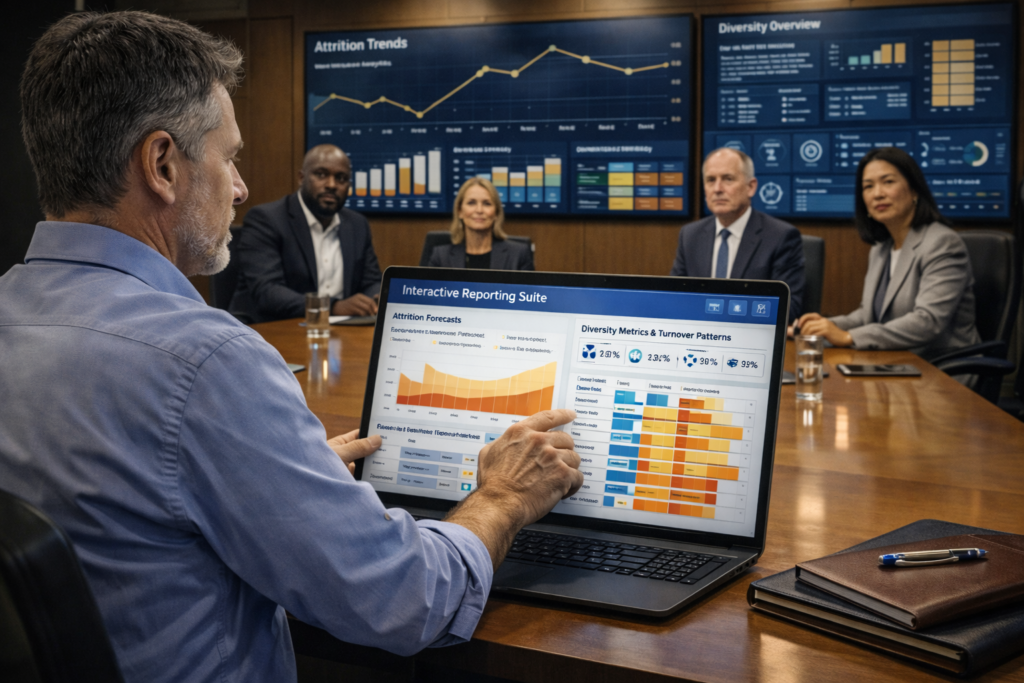
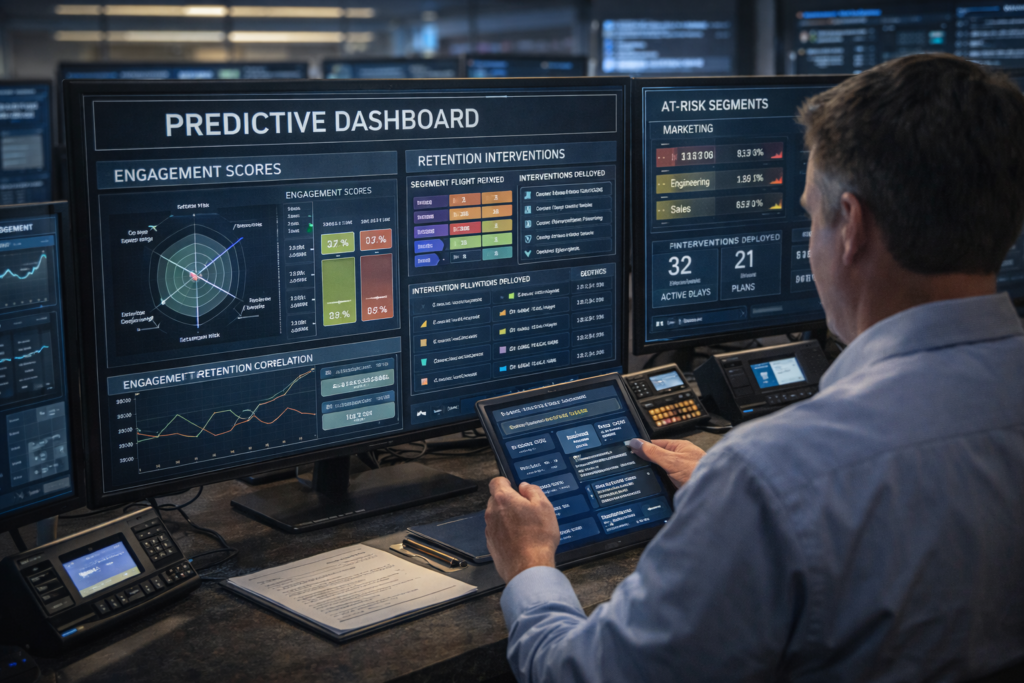
Workforce Analytics with EHRMSNext Workforce analytics is the use of employee data, metrics, and reports to analyze workforce performance, productivity, labor costs, and trends. It helps organizations make data-driven decisions by providing insights into attendance, payroll, engagement, and operational efficiency. Workforce Analytics with EHRMSNext explains how organizations can use workforce data to improve visibility, control labor costs, and support strategic HR and business decisions. Who This Is For HR, payroll, and operations leaders managing workforce performance Finance and compliance teams monitoring labor costs and risk Business leaders making data-driven workforce decisions Summary: Workforce analytics with EHRMSNext helps organizations track workforce trends, measure productivity, optimize labor costs, and improve decision-making using real-time dashboards and reports. Common Workforce Analytics Challenges Lack of visibility into workforce performance Manual reporting and fragmented data Difficulty tracking labor costs and trends Limited insights for strategic planning Key Outcomes with EHRMSNext Real-time workforce insights and reporting Improved workforce productivity and efficiency Better control over labor and payroll costs Data-driven HR and leadership decisions Core Workforce Analytics Capabilities Dashboards for attendance, payroll, and workforce metrics Trend analysis and workforce reporting Integration with attendance and payroll data Audit-ready analytics and compliance visibility Implementation Approach Review of existing workforce data sources Configuration of analytics dashboards and reports Integration with HR, attendance, and payroll modules User training and rollout FAQs What is workforce analytics? Workforce analytics is the practice of analyzing employee data to understand workforce performance, productivity, labor costs, and trends. How does workforce analytics help HR teams? It helps HR teams make informed decisions by providing insights into attendance, payroll, engagement, and workforce efficiency. What data is used in workforce analytics? Workforce analytics uses data from attendance, payroll, employee records, and HR operations. Is workforce analytics useful for business leaders? Yes, it helps leaders understand workforce trends, control labor costs, and support strategic planning. Can workforce analytics improve cost control? Yes, by identifying inefficiencies and trends, workforce analytics helps organizations optimize labor and payroll expenses.

EHRMSNext For Remote Teams
HRMS

EHRMSNext For Remote Teams

EHRMSNext for Remote Teams EHRMSNext for remote teams helps organizations manage distributed employees by centralizing attendance, payroll, performance, compliance, and workforce visibility in a single cloud-based HRMS platform. EHRMSNext for Remote Teams explains how modern organizations can manage fully remote or hybrid workforces while maintaining productivity, compliance, and employee engagement across locations. Who This Is For Organizations with fully remote or hybrid teams HR teams managing employees across locations Businesses struggling with remote attendance, payroll, or compliance Summary: EHRMSNext enables centralized HR operations for remote teams by automating attendance, payroll, compliance, and performance tracking across distributed workforces. Why Managing Remote Teams Is Challenging Lack of visibility into remote employee attendance Inconsistent payroll and compliance across locations Difficulty tracking performance and engagement Manual coordination across HR, managers, and employees Key Capabilities of EHRMSNext for Remote Teams Remote attendance and leave tracking Centralized payroll processing for distributed teams Performance and goal tracking for remote employees Compliance-ready HR records across regions Employee self-service access from anywhere How EHRMSNext Supports Remote Workforce Operations Cloud-based HRMS accessible from any location Automated workflows for HR approvals and tasks Real-time dashboards for managers and HR teams Secure role-based access for remote employees Business Outcomes for Remote Teams Improved visibility into remote workforce activity Accurate payroll and attendance for distributed employees Stronger compliance and audit readiness Higher employee engagement and productivity How EHRMSNext Stands Out for Remote Teams Unified HR platform for remote and hybrid models Scalable for growing distributed teams Designed for location-independent workforce management Single source of truth for HR data FAQs Can EHRMSNext manage fully remote teams? Yes. EHRMSNext is designed to support fully remote and hybrid teams through centralized HR operations. How is attendance tracked for remote employees? Attendance can be tracked through cloud-based systems with configurable rules for remote work. Does EHRMSNext support remote payroll and compliance? Yes. The platform supports payroll processing and compliance tracking across locations. Can managers monitor remote team performance? Yes. Performance and workforce dashboards provide visibility into remote employee productivity. Who should use EHRMSNext for remote teams? Organizations with distributed, remote, or hybrid workforces benefit the most.

Compliance Automation with EHRMSNext
HRMS

Compliance Automation with EHRMSNext

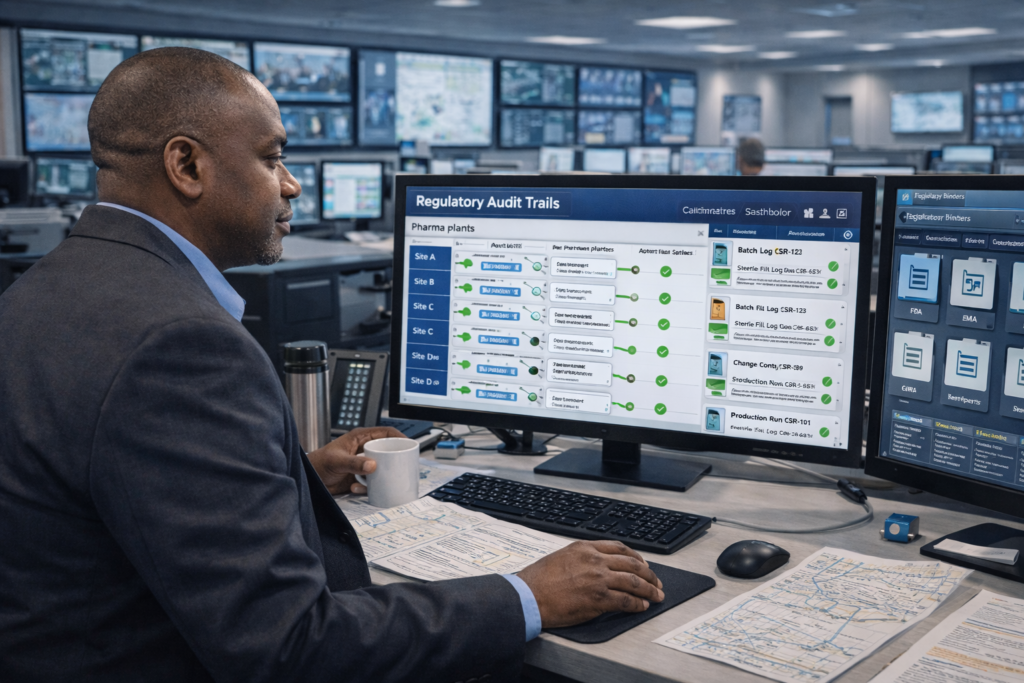
Compliance Automation with EHRMSNext Compliance automation is the use of software to automatically monitor, enforce, and manage regulatory and statutory compliance requirements. It helps organizations reduce compliance risk by automating policy enforcement, statutory calculations, audit trails, and reporting across HR and payroll processes. Compliance Automation with EHRMSNext explains how organizations can reduce regulatory risk, maintain audit readiness, and ensure consistent policy enforcement using automated compliance controls. Who This Is For HR, payroll, and operations leaders managing regulatory compliance Finance and compliance teams monitoring statutory risk and penalties Organizations operating across multiple regions or labor laws Summary: Compliance automation with EHRMSNext helps organizations enforce labor laws, statutory rules, and internal policies automatically while maintaining audit-ready records and reducing compliance risk. Common Compliance Challenges Manual tracking of regulatory and labor law changes Inconsistent enforcement of HR and payroll policies Payroll compliance errors and statutory miscalculations Lack of audit-ready documentation and logs Key Outcomes with EHRMSNext Reduced compliance risk and penalties Consistent enforcement of statutory and internal policies Audit-ready compliance records and reports Improved confidence during internal and external audits Core Compliance Automation Capabilities Automated statutory rule enforcement Policy-based approvals and controls Real-time compliance monitoring Audit trails and compliance logs Implementation Approach Assessment of current compliance requirements and risks Configuration of statutory rules and policies Integration with payroll and attendance systems Testing, training, and phased rollout FAQs What is compliance automation? Compliance automation is the use of software to automatically enforce regulatory requirements, statutory rules, and internal policies across HR and payroll processes. How does compliance automation reduce compliance risk? It reduces risk by applying predefined rules consistently, monitoring changes, and maintaining audit-ready records. What compliance areas can be automated? Labor laws, payroll regulations, statutory deducti

EHRMSNext For Deskless Workforce
HRMS

EHRMSNext For Deskless Workforce

EHRMSNext for Deskless Workforce EHRMSNext for deskless workforce enables organizations to manage frontline and non-desk employees through mobile-first attendance, shift scheduling, payroll, compliance, and communication tools. EHRMSNext for Deskless Workforce explains how organizations can support employees who work without desks—such as field staff, factory workers, and frontline teams—using a centralized, mobile-friendly HRMS platform. Who This Is For Organizations with frontline or field-based employees HR teams managing shift-based or mobile workforces Operations teams requiring real-time workforce visibility Summary: EHRMSNext provides mobile-first HR management for deskless employees, ensuring accurate attendance, compliant payroll, and real-time workforce visibility. What Is a Deskless Workforce? Employees without fixed desks or office access Frontline, field, retail, manufacturing, or logistics staff Workers who rely on mobile devices instead of desktops Challenges in Managing Deskless Employees Limited access to HR systems Inaccurate attendance and time tracking Complex shift and overtime management Communication gaps between HR and frontline teams Key Capabilities of EHRMSNext for Deskless Workforce Mobile attendance with location validation Shift scheduling and overtime controls Payroll-ready attendance data Policy acknowledgements via mobile devices Real-time workforce dashboards How EHRMSNext Supports Deskless Workforce Operations Mobile-first HR access for frontline employees Automated workflows for approvals and HR tasks Secure role-based access control Centralized visibility across locations Business Outcomes for Deskless Workforces Improved attendance accuracy Reduced payroll errors and overtime leakage Stronger compliance and audit readiness Higher engagement among frontline employees How EHRMSNext Stands Out for Deskless Workforce Designed specifically for mobile and frontline use Scalable for large, distributed teams Single source of truth for deskless HR data Supports multi-location operations FAQs Can EHRMSNext manage deskless employees? Yes. EHRMSNext is designed to manage deskless and frontline employees through mobile-first HR capabilities. How is attendance tracked for deskless workforce? Attendance is tracked using mobile-based systems with configurable rules and location validation. Does EHRMSNext support shift-based deskless teams? Yes. Shift scheduling and overtime rules can be customized for deskless workforces. Can deskless employees access HR services on mobile? Yes. Employees can access HR services, policies, and attendance features via mobile devices. Who should use EHRMSNext for deskless workforce? Organizations with frontline, field, or non-desk employees benefit the most.

How EHRMSNext Improves HR Efficiency
HRMS

How EHRMSNext Improves HR Efficiency

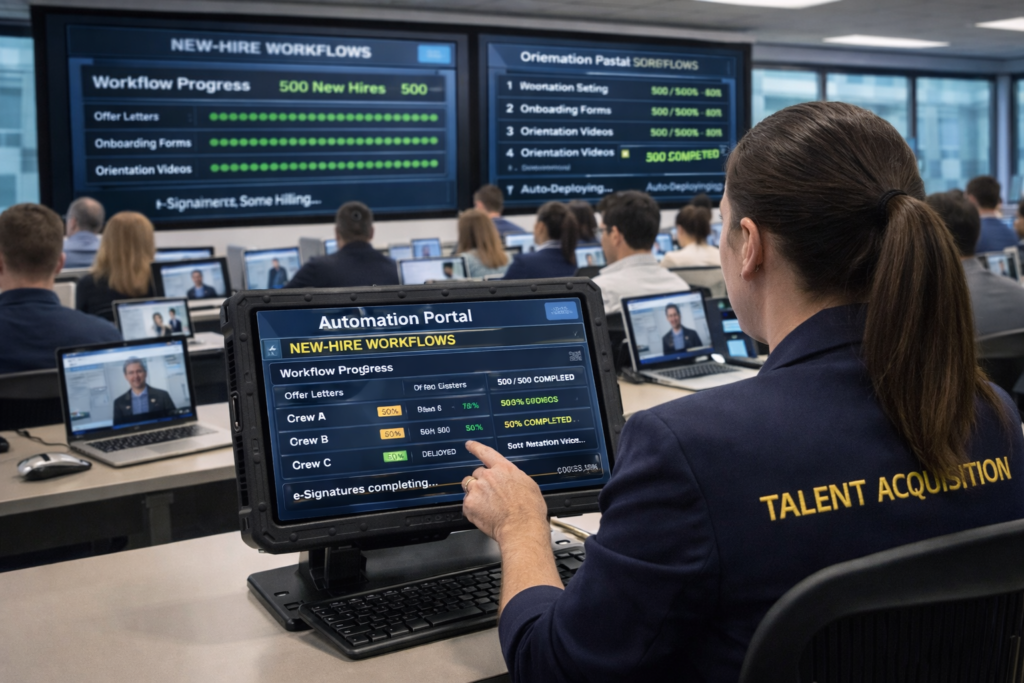
How EHRMSNext Improves HR Efficiency HR efficiency refers to the ability of HR teams to manage workforce operations with minimal manual effort while maintaining accuracy, compliance, and employee experience. HR efficiency is improved through automation, centralized data, streamlined workflows, and real-time visibility across HR and payroll processes. How EHRMSNext Improves HR Efficiency explains how organizations can reduce administrative workload, eliminate manual HR tasks, and improve workforce operations using automation and centralized HR management. Who This Is For HR and payroll teams managing high administrative workloads Finance and compliance teams seeking operational accuracy Organizations scaling workforce operations efficiently Summary: EHRMSNext improves HR efficiency by automating payroll, attendance, compliance, and employee workflows, reducing manual tasks and enabling HR teams to focus on strategic workforce initiatives. Common HR Efficiency Challenges Manual payroll and attendance processing Fragmented employee and workforce data Delayed approvals and repetitive HR tasks High administrative workload for HR teams How EHRMSNext Improves HR Efficiency Automates payroll, attendance, and leave workflows Centralizes employee and workforce data Reduces approval delays through workflow automation Improves compliance visibility and reporting Key Outcomes with EHRMSNext Reduced HR administrative workload Improved accuracy and compliance Faster HR processes and approvals Better employee experience through self-service Core Capabilities Supporting HR Efficiency Automated payroll and attendance management Configurable HR workflows and approvals Integrated compliance and reporting Dashboards and analytics for HR teams Implementation Approach Assessment of current HR processes and inefficiencies Configuration of workflows and automation rules Data migration and system integration Training and phased rollout FAQs What is HR efficiency? HR efficiency is the ability of HR teams to manage workforce operations accurately while minimizing manual effort and administrative workload. How does HR software improve efficiency? HR software improves efficiency by automating routine tasks, centralizing data, and streamlining workflows across HR and payroll functions. What HR tasks can be automated? Payroll processing, attendance tracking, leave management, compliance reporting, and approvals can all be automated. Is HR efficiency important for growing companies? Yes, improved HR efficiency helps growing organizations scale workforce operations without increasing administrative overhead. Who benefits most from improved HR efficiency? HR teams, finance departments, managers, and employees all benefit from more efficient HR operations.
Book a Demo EHRMSNext
HRMS

Book a Demo EHRMSNext

Book a Demo – EHRMSNext The EHRMSNext demo is a personalized walkthrough that shows how the platform automates payroll, workforce management, attendance, and compliance based on your organization’s needs. Book a Demo with EHRMSNext to see how a unified HRMS platform can streamline HR operations, reduce manual work, and improve workforce visibility across your organization. Who Should Book an EHRMSNext Demo HR leaders evaluating modern HRMS platforms Finance teams seeking payroll accuracy and cost control Operations teams managing multi-location or distributed workforces Demo at a Glance: The EHRMSNext demo provides a guided, real-world walkthrough of HR, payroll, attendance, and compliance workflows tailored to your business. What You’ll See in the EHRMSNext Demo Overview of core HR, payroll, and workforce modules Live walkthrough of attendance, leave, and approvals Payroll processing and compliance controls Dashboards and real-time workforce reporting How the Demo Works Share your organization size and HR challenges Receive a customized demo aligned to your use case Explore workflows relevant to your team Ask questions and discuss implementation scenarios Why Book a Demo Instead of Reading Documentation See real workflows instead of feature lists Understand how EHRMSNext fits your processes Clarify integration and compliance questions Evaluate ROI and operational impact What Happens After the Demo Receive tailored recommendations Discuss implementation approach and timelines Access additional resources and case examples FAQs Is the EHRMSNext demo free? Yes. The EHRMSNext demo is completely free and obligation-free. How long does the EHRMSNext demo take? The demo typically takes 30–45 minutes, depending on your requirements. Is the demo customized for my organization? Yes. The demo is tailored based on your industry, workforce size, and HR needs. Who should attend the demo? HR, payroll, finance, and operations stakeholders involved in HRMS decisions should attend. What information do I need before booking a demo? Basic details such as workforce size, locations, and HR challenges are sufficient.

EHRMSNext for Multi-location Companies
HRMS

EHRMSNext for Multi-location Companies

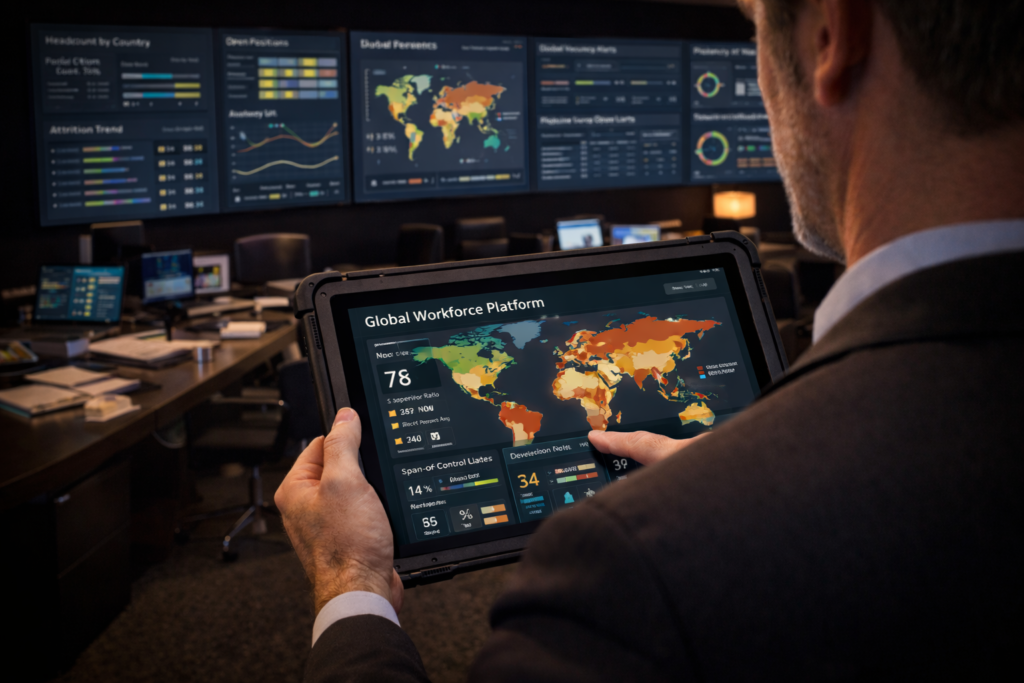
EHRMSNext for Multi-location Companies HRMS for multi-location companies enables organizations to centrally manage payroll, attendance, compliance, and employee data across multiple offices, branches, or regions. It provides unified control while supporting location-specific policies and operational flexibility. EHRMSNext for Multi-location Companies explains how growing and distributed organizations can streamline HR operations, standardize payroll, and maintain compliance across locations using a single, centralized HRMS platform. Who This Is For HR, payroll, and operations leaders managing multiple offices or branches Finance and compliance teams overseeing regional payroll and statutory risk IT teams integrating HR systems across distributed business units Summary: EHRMSNext centralizes HR, payroll, and compliance for multi-location organizations, reducing operational complexity while improving visibility, control, and consistency across all locations. Common Multi-location HR Challenges Disconnected HR and payroll systems across locations Inconsistent HR policies and approval workflows Payroll errors due to regional rule variations Compliance risks across states or countries Limited visibility into workforce costs and performance Key Outcomes with EHRMSNext Centralized HR and payroll management across locations Reduced payroll errors and compliance risks Standardized processes with location-level flexibility Real-time workforce visibility and reporting Core Capabilities for Multi-location Companies Centralized employee data management Location-wise payroll, attendance, and leave configuration Policy-driven workflows with multi-level approvals Compliance tracking with audit-ready records Unified dashboards with location-level drill-downs Implementation Approach Assessment of existing HR, payroll, and attendance processes Configuration of modules based on regional policies Secure migration of employee and payroll data Training, pilot rollout, and phased go-live FAQs What is an HRMS for multi-location companies? An HRMS for multi-location companies is a centralized system that allows organizations to manage HR, payroll, attendance, and compliance across multiple offices or regions from one platform. How does EHRMSNext manage payroll across different locations? EHRMSNext supports location-specific payroll rules, tax structures, and compliance requirements while maintaining centralized payroll processing and reporting. Can different locations have different HR policies? Yes. EHRMSNext allows organizations to configure workflows, approvals, and policies based on location, department, or business unit. Is EHRMSNext suitable for international multi-location organizations? Yes. EHRMSNext supports multi-country compliance, localized payroll rules, and centralized workforce reporting for global operations. Who should use EHRMSNext for multi-location management? EHRMSNext is ideal for organizations with multiple offices, branches, or regions that require centralized HR control with operational flexibility.

HRMS

EHRMSNext for High-Compliance Sectors

EHRMSNext for High-Compliance Sectors High-compliance sectors are industries that must strictly follow labor laws, payroll regulations, statutory reporting, and audit requirements. EHRMSNext helps organizations in regulated environments automate HR, payroll, and compliance processes while reducing operational risk and audit exposure. EHRMSNext for High-Compliance Sectors explains how organizations operating in regulated industries can manage HR, payroll, attendance, and compliance with greater accuracy, control, and transparency using a centralized HRMS platform. Who This Is For HR and payroll leaders managing compliance-driven workforces Finance and compliance teams reducing regulatory and audit risk Operations leaders overseeing regulated labor environments IT teams supporting secure and compliant HR systems Summary: EHRMSNext helps high-compliance organizations automate statutory processes, maintain audit-ready records, reduce compliance errors, and gain real-time visibility into workforce operations. Common Compliance Challenges Frequent regulatory and statutory changes Manual payroll and compliance calculations Audit preparation delays and documentation gaps Inconsistent policy enforcement across locations Limited visibility into compliance risks Key Outcomes with EHRMSNext Automated compliance workflows and approvals Accurate statutory payroll and reporting Audit-ready records with complete traceability Reduced compliance risk and penalties Improved operational control and transparency Core Compliance Capabilities Statutory payroll rules and compliance engines Attendance, leave, and shift data linked to payroll Audit trails, approval logs, and historical records Role-based access and data security controls Compliance dashboards and regulatory reports Implementation Approach Assessment of existing HR, payroll, and compliance processes Configuration of EHRMSNext modules to align with policies Secure migration of employee and compliance data Training, validation, and phased rollout FAQs What are high-compliance sectors? High-compliance sectors are industries such as healthcare, manufacturing, BFSI, government, and logistics that must comply with strict labor laws, payroll regulations, and audit requirements. Why do high-compliance sectors need specialized HRMS software? These industries face higher regulatory risk and frequent audits. Specialized HRMS software automates compliance processes, reduces errors, and ensures audit-ready records. How does EHRMSNext help with compliance audits? EHRMSNext maintains automated audit trails, approval workflows, statutory reports, and historical compliance data to simplify internal and external audits. Can EHRMSNext support multi-location or multi-country compliance? Yes. EHRMSNext supports centralized compliance management across multiple locations and regions with country-specific rules and reporting. Who should use EHRMSNext in regulated industries? EHRMSNext is ideal for organizations operating in regulated environments that require accurate payroll, strict compliance controls, and audit readiness.

HRMS

EHRMSNext API Integrations

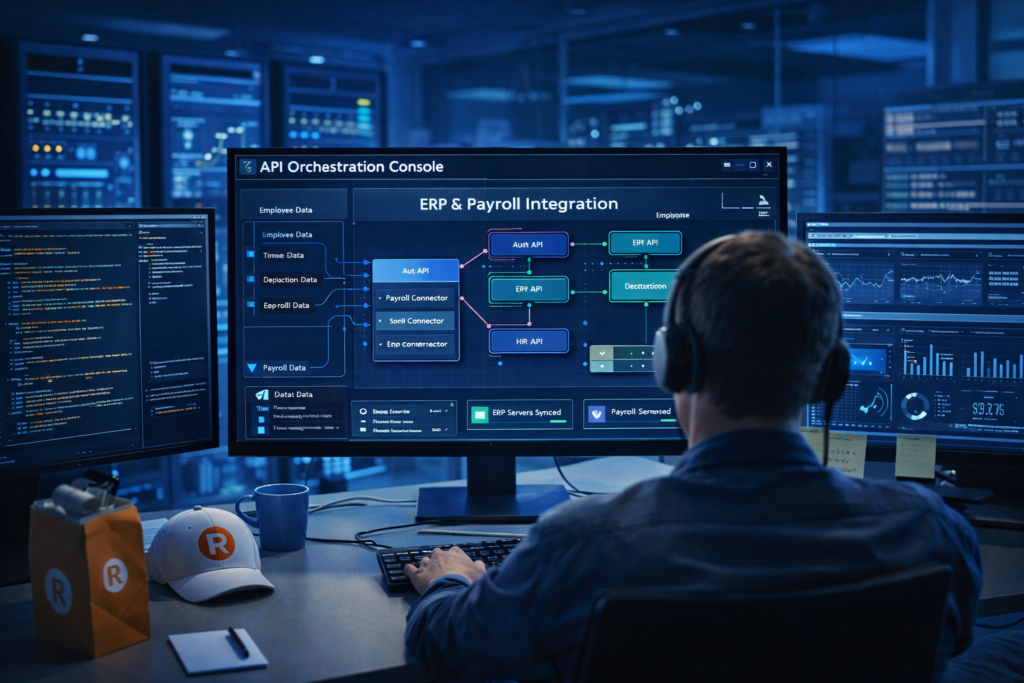
EHRMSNext API Integrations HRMS API integrations enable EHRMSNext to securely connect with payroll, ERP, finance, identity, and third-party systems. These integrations allow real-time or scheduled data exchange, eliminating manual data entry and ensuring consistent workforce information across systems. EHRMSNext API Integrations explains how organizations can connect EHRMSNext with their existing business systems to automate HR workflows, improve data accuracy, and enable seamless cross-platform operations. Who This Is For IT and engineering teams integrating HRMS with enterprise systems HR and payroll teams reducing manual data synchronization Finance teams aligning HR data with accounting systems Organizations using multiple workforce and business tools Summary: EHRMSNext API integrations connect HR, payroll, finance, and business systems through secure data exchange, improving automation, accuracy, and operational efficiency. Common Integration Challenges Duplicate data entry across systems Inconsistent employee and payroll records Delayed data synchronization Manual reconciliation between HR and finance tools Limited visibility across connected platforms Key Outcomes with EHRMSNext Automated data flow between HR and business systems Improved data accuracy and consistency Reduced manual effort and IT overhead Faster HR and payroll processing Scalable integrations as systems grow Core API Integration Capabilities Secure REST-based API architecture Integration with payroll, ERP, finance, and identity systems Real-time and scheduled data synchronization Authentication and access control mechanisms Monitoring, logs, and error handling support Implementation Approach Identification of systems and integration requirements Configuration of API access and authentication Mapping of data fields and sync rules Testing, validation, and monitoring FAQs What are HRMS API integrations? HRMS API integrations allow HR software to securely exchange data with other systems such as payroll, ERP, finance, and identity platforms. What systems can EHRMSNext integrate with? EHRMSNext can integrate with payroll systems, accounting tools, ERP platforms, identity management solutions, and other third-party applications. Are EHRMSNext APIs secure? Yes. EHRMSNext APIs use secure authentication, access controls, and monitoring to ensure safe and reliable data exchange. Do EHRMSNext API integrations support real-time data sync? EHRMSNext supports both real-time and scheduled data synchronization based on business needs. Who should use EHRMSNext API integrations? Organizations using multiple HR, payroll, or business systems that require automated and reliable data exchange should use EHRMSNext API integrations.

HRMS

EHRMSNext Reporting Suite

EHRMSNext Reporting Suite The EHRMSNext Reporting Suite provides real-time HR, payroll, attendance, and compliance reports that help HR leaders, finance teams, and management make data-driven workforce decisions. EHRMSNext Reporting Suite explains how organizations can gain visibility into workforce data using ready-made dashboards, customizable reports, and audit-ready analytics—all from a single HRMS platform. Who This Is For HR teams tracking workforce trends and performance Finance teams monitoring payroll and labor costs Leadership teams making strategic, data-driven decisions Summary: The EHRMSNext Reporting Suite centralizes workforce data into actionable dashboards and reports, enabling faster decisions, compliance readiness, and cost control. What Is the EHRMSNext Reporting Suite? A centralized analytics and reporting module within EHRMSNext Provides real-time visibility into HR, payroll, and attendance data Supports compliance audits and management reporting Types of Reports Available in EHRMSNext Employee headcount and workforce distribution reports Attendance, leave, and shift utilization reports Payroll cost and compensation analysis reports Compliance and statutory audit reports Custom reports based on business needs Key Features of the Reporting Suite Pre-built dashboards for HR and leadership Real-time data updates across modules Custom report creation and export Role-based access to sensitive data Audit-ready logs and historical data tracking How the Reporting Suite Supports Decision-Making Improves workforce planning and forecasting Identifies attendance and productivity trends Highlights payroll and labor cost patterns Ensures compliance and audit preparedness How EHRMSNext Reporting Stands Out Unified reporting across HR, payroll, and compliance No dependency on external BI tools Designed specifically for HR and workforce data Scales with organizational growth FAQs What is the EHRMSNext Reporting Suite? It is an analytics module that provides real-time HR, payroll, attendance, and compliance reports. What types of reports are available? The suite includes workforce, attendance, payroll, compliance, and custom reports. Can reports be customized? Yes. Users can create and export custom reports based on specific business needs. Who can access reporting dashboards? Access is controlled through role-based permissions. Does the reporting suite support compliance audits? Yes. It provides audit-ready reports and historical data for compliance reviews.

Scroll to Top