Author name: HRMS

Cloud Based HRMS
HRMS

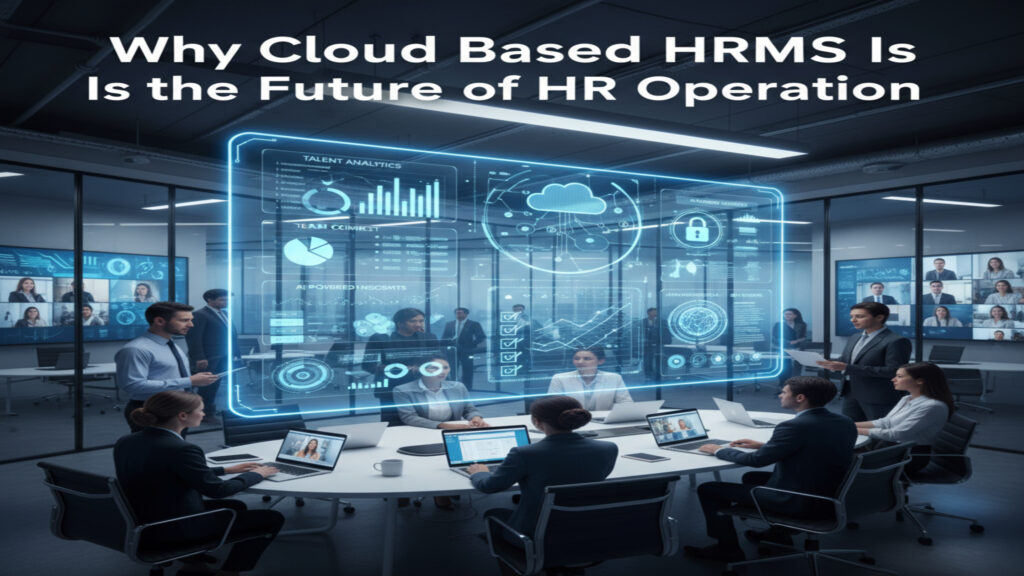
Why Cloud Based HRMS Is the Future of HR operation

Introduction In the moment’s fleetly evolving business world, associations across the United States are under growing pressure to manage their pool more efficiently. The rise of mongrel and remote work, the demand for real- time hand data, and the need for flexible systems have fully reshaped how mortal coffers brigades operate. Traditional HR systems that calculate on homemade updates or on- premise software no longer meet the dynamic requirements of ultramodern associations. This shift has led to the rise of a important invention that’s transubstantiating the HR geography cloud grounded HRMS.  A cloud grounded Human Resource Management System (HRMS) integrates every HR function into one centralized platform accessible anytime and anywhere. It eliminates specialized complications, ensures data security, improves scalability, and reduces functional costs. For U.S. companies navigating changing compliance regulations and a competitive gift request, pall grounded HRMS has come not just an option but a strategic necessity.  This composition explores why pall grounded HRMS is getting the foundation of HR operation, its major advantages, how it supports business growth, and what features define the future of HR operations in the digital age.  The Shift Toward Cloud Technology in HR : Over the past decade, U.S. businesses have moved the utmost of their core systems from counting to client operation to the pall. mortal coffers technology followed the same trend. Originally, HR systems were simple record- keeping tools. They helped track attendance, payroll, and hand details but demanded real- time perceptivity and collaboration capabilities.  With the emergence of pall computing, HR departments can now perform data- driven functions without tackle limitations. pall grounded HRMS results allow brigades to manage workers ever, update programs incontinently, and share reports securely with top operation. These systems are continuously streamlined by merchandisers, icing HR professionals always have access to the rearmost features and compliance support.  pall relinquishment has accelerated especially after the global epidemic, as U.S. companies honored the significance of remote availability. pall HRMS platforms allow HR professionals to handle reclamation, onboarding, payroll, and analytics through secure online access, perfecting durability and effectiveness indeed in distributed workplaces.  What Makes Cloud Grounded HRMS Different : Traditional HR software frequently needed heavy installation, on- point waiters, and constant IT support. In discrepancy, a pall grounded HRMS operates through the internet, hosted securely on a remote garçon. This makes it largely flexible and adaptable to a company’s evolving requirements.  Key differentiators include: Scalability : Businesses can fluently expand the system as their pool grows.  Availability : brigades can log in anytime, anywhere using any device.  Automatic updates:  merchandisers manage software upgrades and security patches automatically.  Reduced costs : There are no structure or conservation charges.  Data integration : Cloud HRMS connects seamlessly with payroll, account, and performance systems.  These advantages have made pall HRMS the favored choice for both small businesses and large enterprises in the United States.  Benefits of Cloud Based HRMS for U.S. Companies : Enhanced Availability and Inflexibility  Ultramodern workforces anticipate flexible systems that support remote and cold-blooded surroundings. pall HRMS enables HR brigades to pierce hand data from any position. Whether approving leave requests, covering attendance, or managing reclamation, HR professionals can perform tasks in real time.  workers also profit from tone- service options that allow them to view payslips, update biographies, and submit forms without depending on HR staff. This inflexibility reduces executive workload and enhances hand satisfaction.  Improved Data Security  One of the biggest misconceptions is that pall systems are less secure. In reality, estimable HRMS providers invest heavily in encryption, data redundancy, and compliance with data protection laws similar as GDPR and CCPA. For U.S. companies dealing with sensitive hand information, these systems insure that data remains defended throughmulti-layered authentication and secure access protocols.  Regular security checkups, automatic backups, and translated communication channels make pall HRMS safer than numerous traditional on- premise systems.  Cost effectiveness and ROI  Cloud HRMS eliminates the need for precious structure and homemade updates. Since everything runs on subscription- grounded models, businesses only pay for the features they use. This reduces the fiscal burden of setup, garçon conservation, and specialized staffing.  The cost savings extend to productivity earnings as HR brigades spend lower time on paperwork and further time on strategy. The return on investment becomes apparent in bettered effectiveness, reduced development, and briskly reclamation cycles.  Seamless Integration with Business Systems  ultramodern HR functions depend on collaboration between departments. pall HRMS platforms integrate fluently with tools similar as payroll operation, ERP, CRM, and time tracking systems. This unified ecosystem creates a single source of verity, allowing data to flow easily across departments and enabling leaders to make informed opinions.  Real Time Analytics and Reporting  Decision making in HR has evolved beyond gut passions. pall HRMS platforms give important analytics dashboards that transfigure hand data into practicable perceptivity. directors can track attendance patterns, dissect development rates, identify skill gaps, and cover performance trends incontinently.  Data- driven HR not only improves planning but also helps companies align pool operation with long- term business pretensions.  Driving Employee Engagement and Retention : Hand experience is at the heart of successful HR strategies. pall HRMS plays a pivotal part in perfecting engagement through tone- service access, transparent communication, and nonstop feedback mechanisms. When workers have access to their data and feel empowered to manage their information, their trust and satisfaction increase.  Features like recognition programs, performance shadowing, and palpitation checks foster a culture of appreciation and responsibility. Companies in the U.S. that borrow pall HRMS results frequently report advanced retention rates due to these engagement advancements.  Ensuring Compliance and threat operation :  Compliance remains a major concern for U.S. businesses that must cleave to labor laws, duty regulations, and data sequestration norms. pall HRMS simplifies compliance by automating policy updates and record keeping. Systems can be configured to track nonsupervisory changes, induce accurate reports, and insure that every process  from hiring to termination follows legal guidelines.  erected- in inspection trails and interpretation control features help HR brigades demonstrate compliance during examinations, minimizing threat and legal exposure.  How Cloud

HRMS

How to Choose the Best HRMS Software for U.S. Companies

Introduction Every successful association understands that people are its topmost asset. Managing those people efficiently, still, requires further than just spreadsheets or traditional HR tools. The ultramodern plant demands delicacy, compliance, and flawless collaboration across departments. This is where a mortal Resource Management System( HRMS) becomes necessary.  For U.S. companies, opting the right HRMS is no longer just a matter of convenience it’s a strategic investment that influences productivity, culture, and hand satisfaction. The right system reduces executive work, strengthens compliance, enhances communication, and helps business leaders make smarter opinions grounded on real data.  Choosing an HRMS, still, can be complex. There are dozens of merchandisers, hundreds of features, and a wide range of pricing models. To make the right choice, companies must first understand their requirements, estimate software capabilities, and align the system with long- term business pretensions.  This comprehensive companion explores everything U.S. associations need to know before opting for an HRMS platform that supports growth, effectiveness, and a positive hand experience.  Understanding HRMS and Its significance : An HRMS, or Human Resource Management System, is an intertwined platform designed to handle every major HR function from hiring and onboarding to performance evaluation and payroll. It consolidates all hand- related processes into a single digital system.  Unlike aged HR tools that worked in insulation, ultramodern HRMS software connects multiple HR functions together. This allows businesses to operate with harmonious data, better visibility, and briskly decision- timber.  In the U.S. business terrain, where compliance, remote work, and data sequestration are crucial enterprises, an HRMS serves as the central nervous system of HR operations. It not only reduces mortal error but also ensures that the association remains biddable with evolving civil and state labor regulations.  Some of the crucial benefits include Centralized hand information Eliminates paper- grounded records and homemade shadowing.  Automated workflows Reduces repetitious tasks like data entry, leave blessings, and payroll runs.  Data- driven perceptivity Supports strategic planning with advanced reporting and analytics.  Advanced hand engagement Through tone- service doors and transparent communication tools.  Why the Right HRMS Matters for U.S. Companies : The U.S. pool is evolving. Mongrel work arrangements, complex labor laws, and adding hand prospects have changed the way associations manage HR functions. An outdated or mismatched HR system can decelerate down operations, produce compliance pitfalls, and reduce hand satisfaction.  The right HRMS ensures :  Regulatory compliance Supports accurate reporting and automatic updates aligned with U.S. labor norms.  Effectiveness Minimizes homemade processes, freeing HR professionals to concentrate on strategic enterprise.  Thickness Provides unified data across all departments, reducing duplication and confusion.  Scalability Grows with the association, conforming to new business requirements and pool changes.  When companies invest in an effective HRMS, they produce a foundation that supports gift retention, pool planning, and organizational adaptability.  Must- Have Features in a ultramodern HRMS : Every HRMS includes core HR tools, but the stylish platforms go beyond the basics. The following are essential features that ultramodern U.S. businesses should look for when assessing HRMS options  Hand Information Management  A ultramodern HRMS should offer a single, secure depository for all hand records. From job titles and performance reviews to benefits and training data, everything should be accessible through a unified dashboard.  The system must also allow real- time updates, icing delicacy across the association. A centralized data mecca prevents disagreement and improves collaboration between HR, finance, and operation.  Payroll Management  Payroll is one of the most critical HR functions. The HRMS should automatically calculate hires, deductions, and levies while clinging to civil and state regulations. It must handle variable pay structures, overtime, and profit benefactions with perfection.  Integration with account and finance systems adds another subcaste of effectiveness, reducing homemade conciliation and implicit crimes.  Attendance and Leave Tracking  Accurate time operation ensures fairness and compliance. The HRMS should allow workers to log attendance, apply for leave, and view balances fluently. directors should be suitable to review and authorize requests from any device.  Automated attendance shadowing also supports compliance with working- hour regulations and helps help payroll controversies.  Performance and thing operation  Performance operation tools help produce a culture of responsibility. The HRMS should grease setting pretensions, conducting evaluations, and recording feedback. It should also support nonstop review cycles rather than periodic appraisals alone.  Integration with training or literacy operation modules enables workers to upskill grounded on performance issues.  Reclamation and Onboarding  An integrated reclamation module saves HR brigades innumerous hours. It should manage job bulletins, renew tracking, seeker communication, and interview scheduling in one place.  Onboarding features should make the first week flawless for new hires. Digital forms, document verification, and workflow robotization insure a smooth transition into the company.  literacy and Development  A literacy module helps workers grow professionally and stay aligned with company pretensions. Whether it’s compliance training or leadership development, the HRMS should support course creation, progress shadowing, and performance relation.  Learning analytics can also reveal skill gaps that inform pool planning.  Data Security and Compliance  Hand data is largely sensitive. The HRMS must insure encryption, stoner access controls, and data sequestration compliance with laws similar as CCPA and GDPR.  Regular backups, inspection trails, and authentication protocols give an fresh subcaste of protection, keeping associations safe from data breaches.  Analytics and perceptivity  Analytics convert HR data into practicable intelligence. Dashboards should fantasize development rates, absenteeism trends, and hiring criteria .  Prophetic analytics can help read pool requirements or identify workers who may be at threat of leaving, allowing HR leaders to take preventative action. Cloud vs. On- Premise HRMS Making the Right Choice : Ultramodern companies generally choose between pall- grounded and on- premise HRMS models.  Pall- grounded systems are hosted online and penetrated through secure cybersurfers. They’re cost-effective, bear minimum IT conservation, and allow workers to log in from anywhere. Updates be automatically, which ensures that businesses always use the rearmost interpretation.  On- premise systems are installed locally and offer further control over data but bear larger budgets and in- house specialized moxie. They can be customized deeply but warrant inflexibility for remote access. 

Step-by-Step Guide to Choosing the Right HRMS for Your Company
Blog, HRMS

Step-by-Step Guide to Choosing the Right HRMS for Your Company

Introduction  Opting for the right Human Resource Management System( HRMS) is one of the most strategic decisions a company can make. The right HR software not only simplifies executive work but also transforms the way you manage people, payroll, performance, and productivity.  With so many options in the request, choosing the right HRMS can feel inviting. Whether you’re a small business or a large enterprise, you need a result that fits your requirements, integrates fluently, and scales as your company grows.  This step-by-step companion will help you estimate and select the stylish HRMS for your organisation.  Step 1: Identify Your HR Needs and Challenges  Before you look at merchandisers, list your company’s HR challenges. Are you floundering with homemade attendance shadowing, inconsistent payroll operation, or poor hand engagement?  Understanding your pain points will help you choose an HRMS that aligns with your business pretensions. For illustration, an incipiency might prioritise  cloud-based HRMS for inflexibility, while a large enterprise might need advanced HR analytics and compliance features.  crucial takeaway: Define what success looks like for your HR platoon before exploring any tools.  Step 2: Set a Realistic Budget  Your budget should take for both upfront costs( perpetration, training) and ongoing costs( subscription, support, updates).  cloud- grounded results generally operate on a subscription model, making them cost-effective for small and mid-sized businesses. Still, enterprise-grade HR software may involve advanced customisation costs.  Tip: Always compare the total cost of power, not just the original price label.  Step :3 Choose Between On-Premise and Cloud- Grounded HRMS  When choosing the right HRMS, one of the first considerations is deployment  In the moment’s digital-first period, a  cloud-based HRMS is frequently the smarter choice due to its scalability, security, and mobility.  Step 4: Estimate the Core Features You Need  A good Human Resource Management System should go beyond introductory payroll and attendance. Look for a result that offers the following features  ✅ Hand database operation  ✅ Payroll and leave robotisation  ✅ Performance appraisal tools  ✅ Hand tone- service gate  ✅ Reclamation and onboarding operation  ✅ HR analytics and reporting  Pro tip: Make a roster of “must-have” vs “nice-to-have” features to guide your decision.  Step 5: Check for Integration Capabilities  Your HRMS should seamlessly integrate with being systems like ERP, account software, and attendance bias.  Integrations ameliorate data delicacy, exclude duplication, and streamline workflows across departments.  Still, ensure the HRMS offers API support or ready-to-use connectors if your organisation uses multiple digital platforms.  Step 6: Assess Stoner Experience and Interface  An important system is useless if your workers find it difficult to use. Prioritise HR software with an intuitive dashboard, easy navigation, and mobile access.  During product demonstrations, involve both HR staff and workers. Their feedback can reveal usability gaps you might overlook.  Flash back The success of HRMS implementation depends heavily on how comfortable employees are with the system.  Step 7: Check seller’s Character and Support  Choosing an HRMS seller is as important as choosing the software itself. Research the seller’s  Also, ensure they offer training andpost-implementation support, especially during the original rollout phase.  Step 8 Request a rally or Free Trial  Never make a purchase without hands- on experience. utmost HRMS providers offer a free rally or trial, allowing you to explore the system’s interface and performance in real scenarios.  Use this occasion to test how well it handles payroll, attendance, and hand tone- service functions.  Evaluate Step 9 Consider Scalability and unborn Growth  Your HRMS should grow as your company grows. Look for flexible results that can handle further workers, new locales, and fresh modules over time.  A scalable HRMS platform ensures long- term value and avoids the need for frequent software migrations.  Step 10 Make a Data- Driven Final Decision  After assessing all options, shortlist two or three merchandisers and compare them grounded on  Benefits of Choosing the Right HRMS  ✅ Enhanced hand engagement through translucency and robotisation  ✅ Reduced executive workload for HR brigades  ✅ Accurate payroll and attendance operation  ✅ Advanced compliance and data security  ✅ Scalable result for unborn business growth  Conclusion  opting the right HRMS is n’t just about technology it’s about erecting a foundation for better people operations.  By following this step- by- step HRMS selection companion, you can make a confident decision that aligns with your pretensions, supports your workers, and drives long- term success.  At EDMS Next, we help businesses of all sizes find the perfect  cloud-based HRMS acclimatised to their unique requirements.  Contact us to explore how our HRMS results can simplify your HR processes and boost productivity.  

What is HRMS?
Blog, HRMS

What Is an HRMS and Why You’re Business Needs One in 2026

Introduction  Still, you have witnessed an inconceivable metamorphosis, If you have worked in mortal coffers during the once many times. The way companies retain, engage, and manage workers has evolved faster than anyone imagined. Technology, remote work, compliance regulations, and shifting hand prospects have all combined to make HR operations more complex and more strategic. For numerous U.S. companies, this change has exposed one uncomfortable verity old styles simply can not keep up. Spreadsheets, paperwork, and dispatch vestments have come further of a burden than a result. The ultramodern business terrain demands commodity smarter, briskly, and more dependable. That’s where an HRMS, or Human Resource Management System, comes in. It is n’t just software. It’s a complete digital ecosystem designed to simplify how businesses handle everything related to their people  from hiring and payroll to analytics and engagement. As we move through 2025, the question is no longer whether businesses should use an HRMS. The real question is whether they can go not to. What Is an HRMS An HRMS is a centralized digital platform that automates and streamlines core mortal resource operations. It brings all HR functions similar as reclamation, payroll, attendance, benefits, and performance operation into one integrated system. In simpler terms, it’s the heart of your association’s HR department. Rather than managing multiple disconnected tools, HR brigades can pierce everything they need in a single dashboard. An HRMS is designed to reduce repetitive homemade work, ameliorate delicacy, and give precious perceptivity through analytics. It allows HR professionals to concentrate on people and strategy rather than paperwork and process operation. Core Components of a ultramodern HRMS  The stylish HRMS platforms available in 2025 share one thing in common: they’re erected for simplicity and intelligence. Then are the crucial features that make them necessary for U.S. associations. Hand Database operation : Every hand record is stored securely in one place. From contact details and identification documents to job history and payment information, everything can be penetrated snappily without digging through lines. Reclamation and Onboarding : Ultramodern HRMS platforms automate the hiring process from launch to finish. They help HR brigades post job openings, track aspirants, shoot offer letters, and produce smooth onboarding gests for new hires. The result is briskly reclamation and better first prints for new workers. Payroll Processing : Payroll operation is one of the most time consuming tasks for HR brigades. An HRMS handles payment computations, duty deductions, and direct deposits automatically. It ensures delicacy and keeps up with constantly changing state and civil duty rules. Attendance and Leave Tracking : Homemade attendance shadowing is prone to crimes. HRMS platforms simplify this by offering digital attendance systems that record hours worked, examiner leave balances, and induce attendance reports incontinently. Performance and Appraisal Management : Tracking hand performance becomes further transparent with an HRMS. directors can set measurable pretensions, give feedback, and conduct evaluations with supporting data. workers get clarity on what success looks like and how they can ameliorate. Analytics and Reporting : Every decision in HR should be backed by data. HRMS tools give real- time perceptivity into hand development, hiring costs, and performance criteria . With this information, HR leaders can make informed opinions that ameliorate effectiveness and morale. Why HRMS Is getting a Necessity in 2025  The American business geography is more competitive than ever. effectiveness, compliance, and hand satisfaction all play pivotal places in determining success. Then are the main reasons HRMS has come essential in 2025. The Rise of Remote and Hybrid Work : After the epidemic, remote and cold-blooded work came standard for numerous associations. Managing distributed brigades requires systems that insure collaboration, responsibility, and visibility. HRMS results allow HR brigades to manage attendance, performance, and engagement seamlessly, anyhow of where workers work. Increasing Compliance Demands : In the United States, employment laws vary from one state to another. From payroll levies to labor reporting, HR brigades must constantly modernize their practices. An HRMS ensures that your association stays biddable automatically, reducing the threat of expensive miscalculations or forfeitures. The Shift Toward Real- Time Decision- Making : Ultramodern leaders can not stay weeks for HR reports. They need live perceptivity to act snappily. HRMS platforms offer instant dashboards showing pool trends, helping directors make opinions backed by data rather than suspicion. Evolving Hand prospects : workers moment anticipate inflexibility, tone- service, and translucency. They want to pierce their pay slips, submit leave requests, and update particular information without counting on HR for every task. HRMS systems make that possible with intuitive tone- service doors. The Need for Cost effectiveness : Labor costs and executive charges continue to rise. HRMS tools automate repetitious tasks, saving time and coffers. The return on investment is frequently seen within months because the system reduces homemade crimes and improves productivity. The part of HRMS Across Different Business Sizes :  Every business whether small, medium, or large can profit from an HRMS. The requirements may differ, but the impact remains important. For Small Businesses : Small businesses frequently operate with limited staff and tight budgets. An HRMS offers affordable pall- grounded results that handle everything from payroll to compliance, giving possessors further time to concentrate on growth. For Medium Sized Businesses : As companies expand, HR processes come more complicated. HRMS systems help maintain structure by polarizing communication, attestation, and reporting. They also make scaling easier as brigades grow. For Large Enterprises : Enterprises with multiple services and thousands of workers bear intertwined systems to manage complexity. HRMS platforms connect seamlessly with account, ERP, and design operation systems, creating a single source of verity for the entire association. Real Benefits Businesses Are passing :  Companies across the USA are formerly seeing real results from espousing HRMS results. Then are the most common benefits reported. Advanced effectiveness : Tasks that took hours are now completed in twinkles. HR brigades save time and deflect their sweats toward strategy and engagement. Advanced delicacy : Robotization minimizes data crimes in payroll and compliance reporting. Increased Hand Satisfaction : Workers appreciate translucency and easy access to their information More Retention Rates

How HRMS Enhances Employee Engagement and Productivity
Blog, HRMS

How HRMS Enhances Employee Engagement and Productivity

Introduction A company’s topmost strength falsehoods in its people. But to keep workers motivated and productive, organisations must go beyond hires and benefits; they must invest in technology that empowers their workforce.  That’s where a Human Resource Management System( HRMS) plays a vital part. An ultramodern HRMS isn’t just an executive tool; it’s a strategic result that enhances employee engagement, boosts productivity, and transforms the overall plant experience.  In this blog, we’ll explore how HRMS drives advanced engagement, better collaboration, and improved performance across the organisation.  Understanding the Role of HRMS in Employee Engagement  Employee engagement is about creating a positive emotional connection between workers and their work. A disentangled workforce frequently leads to low morale, high turnover, and reduced employee productivity.  An HRMS islands this gap by automating HR processes, furnishing transparency, and empowering workers through tone-of-service and real-time feedback. It creates a culture of trust, responsibility, and recognition crucial pillars of engagement.  How HRMS Enhances Employee Engagement  1. Empowering workers through tone- Service Doors  A  cloud-based HRMS provides employee self-service ( ESS) features that let workers modernise particular data, view attendance, apply for leave, and access payslips each without HR intervention.  This autonomy gives workers a sense of power and reduces executive detainments.  2. Transparent Communication and Feedback  With erected- in communication tools and feedback systems, HRMS promotes transparency between operations and workers. Regular appraisals, checks, and feedback forms help HR brigades understand employee sentiment and make informed opinions.  3. Recognition and prices System  An engaged employee feels valued. HRMS platforms enable digital recognition programs where achievements, milestones, and benefactions can be continuously celebrated. Recognition boosts morale and encourages harmonious high performance.  4. Learning and Development Integration  An ultramodern Human Resource Management System frequently includes training modules and performance shadowing tools. By relating skill gaps and recommending applicable training programs, HRMS ensures nonstop literacy and career growth.  5. Real-Time Performance Appraisal  Gone are the days of periodic reviews. With HRMS, directors can conduct real-time appraisals, set pretensions, and give nonstop feedback using HR analytics. This helps workers stay aligned with organisational objectives and feel more engaged.  How HRMS Improves Employee Productivity  1. Streamlined HR Processes  Homemade HR tasks like payroll, attendance shadowing, and leave operation frequently slow productivity. A HRMS automates these functions, freeing HR brigades to concentrate on strategy and employee development.  2. Data-Driven Decision Making  Using HR analytics, organisations can identify trends in absenteeism, performance, and engagement. This data-driven sapience helps HR brigades take a visionary way to boost employee productivity.  3. bettered Collaboration and Connectivity  A  cloud-based HRMS connects workers across departments and locales, enabling flawless collaboration and communication. Whether remote or on-point, brigades remain connected and productive.  4. Reducing Executive Workload  By automating routine HR tasks, HRMS reduces paperwork and human crimes. workers spend less time on admin work and more time contributing to business growth.  5. Enhancing Work-Life Balance  With transparent leave shadowing, flexible scheduling, and remote access, HRMS helps workers manage their time better, leading to advanced satisfaction and improved performance.  Crucial Benefits of HRMS for Engagement and Productivity  ✅ Boosts morale and provocation through recognition and feedback.  ✅ Improves communication between HR, directors, and workers.  ✅ Reduces development by creating a culture of trust and transparency.  ✅ Enhances performance shadowing with real-time analytics.  ✅ Encourages tone enhancement through training and upskilling modules.  Key Practices for Using HRMS to Enhance Engagement  FAQs About HRMS and Employee Engagement  1. Can HRMS really ameliorate employee engagement?  Yes, by automating tasks and offering translucency, HRMS allows workers to concentrate on meaningful work and feel more connected to the organisation.  2. How does HRMS impact productivity?  HRMS robotisation reduces executive work, provides real-time data, and enables smarter decisions, all of which increase employee productivity.  3. Is HRMS suitable for small brigades?  Absolutely. A  cloud-based HRMS is scalable, affordable, and ideal for small and mid-sized businesses aiming to improve engagement and effectiveness.  4. Can HRMS support remote workforce engagement?  Yes, HRMS platforms support remote brigades with online access, virtual feedback tools, and collaboration features.  Conclusion  In today’s competitive business world, engaged workers are the backbone of productivity and invention. A well-enforced HRMS not only automates HR operations but also fosters a connected, motivated, and high-performing workforce.  By using HR robotisation, analytics, and employee tone- service, organisations can make a plant culture that values people as much as performance.  At EDMS Next, we give scalable and secure HRMS results that enhance employee engagement and drive measurable advancements in productivity.  Explore EDMS Next HRMS moment and produce a plant where your people truly thrive.

benefits of hrms
Blog, HRMS

Top 10 Benefits of Human Resource Management System(HRMS) in Business.

Introduction People are at the heart of every organisation. But managing people efficiently in a moment’s presto-moving, technology-driven world isn’t easy. Traditional HR tasks attendance, shadowing, payroll automation, recovery, and performance reviews, take huge amounts of time when handled manually.  This is where a Human Resource Management System( HRMS) makes a difference. It’s further than a software tool; it’s the digital brain of your HR department. By automating everyday tasks, perfecting delicacy, and streamlining processes, an HRMS helps companies work smarter and grow rapidly.  In this blog, we will explore the top 10 HRMS benefits and understand why HRMS implementation has become an essential part of business success.  What’s an HRMS?  A Human Resource Management System( HRMS) is an intertwined platform that helps organisations manage all HR functions in one place.  It combines several tools: payroll robotisation, employee tone- service, attendance shadowing, reclamation operation, training, and HR analytics under one system.  Think of HRMS as a digital adjunct that no way forgets a detail, keeps your data safe, and saves time by automating routine processes.  Key Features of an HRMS  Why an Organisations Need an HRMS  As businesses expand, managing people becomes more complex. Homemade systems and spreadsheets can not keep up with the moment’s presto-paced, global workforce. HRMS offers the following advantages that address crucial pain points  Top 10 Benefits of Enforcing an HRMS  HRMS simplifies and unifies HR workflows from recruitment to payroll, saving time and reducing complexity. Routine tasks like attendance, payroll robotisation, and reporting come automated, leaving HR brigades free to concentrate on strategy and people development.  Manual record-keeping constantly leads to crimes. HRMS maintains accurate records through erected- in confirmation checks and data encryption. With a secure Cloud storehouse, sensitive employee data stays defended from loss or unauthorised access.  HRMS robotisation reduces repetitive executive work and lowers reliance on paperwork. This translates to direct savings in functional costs and allows HR brigades to allocate coffers more effectively.  workers can manage their own HR- related tasks, streamlining particular details, downloading payslips, or applying for leave through the employee tone service gate. This increases translucency and reduces the HR department’s workload.  HRMS platforms support online job bulletins, seeker shadowing, and paperless onboarding. The system ensures a smooth transition for new hires and creates a positive first impression of the organisation.  Payroll robotisation becomes indispensable with automated payment calculations, deductions, and statutory compliance. HRMS ensures timely payments and automatically updates with changes in duty laws or labour regulations.  Through digital thing-setting, feedback circles, and appraisal systems, HRMS helps directors estimate performance constantly. workers admit constructive feedback and are motivated to improve continuously.  With erected- in HR analytics, HRMS provides precious insight on workforce development, absenteeism, hiring costs, and training conditions. Decision-makers can use this data to plan strategically and enhance overall productivity.  Whether a company has 50 workers or 5,000, HRMS can fluently gauge to meet growing demands.  cloud-based systems also offer inflexibility for mongrel and remote brigades.  HRMS promotes transparency, nonstop feedback, and recognition, vital factors in erecting employee trust and engagement. Happier workers stay longer, reducing reclamation and training costs.  Stylish Practices for Successful HRMS perpetration  Enforcing HRMS isn’t just about espousing software; it’s about establishing a smarter way to manage people. Follow these stylish practices for long-term success  FAQs About HRMS  HRIS focuses primarily on employee data operations, while HRMS includes broader functions like payroll, performance, and recruitment.  Yes. ultramodern Cloud- grounded HRMS platforms are affordable and scale fluently, making them ideal for small and mid-sized organisations.  Reputed HRMS providers use encryption, access controls, and regular backups to ensure top-level security.  Absolutely.  cloud-based HRMS allows workers to log in securely from any device, anywhere.  Most organisations notice effectiveness and delicacy advancements within the first many months of HRMS implementation.  Conclusion  In a moment’s dynamic business geography, enforcing an HRMS is no longer voluntary it’s essential. It helps organisations reduce costs, maintain compliance, and deliver a better employee experience.  From payroll robotisation to HR analytics-driven perceptivity, an HRMS transforms HR from a support function into a strategic growth mate.  At EDMS Next, we help organisations apply reliable, scalable HRMS results that combine effectiveness, compliance, and employee satisfaction.  Explore EDMS Next HRMS moment and empower your brigades to concentrate on what truly matters to your people.

future of hr
Blog, HRMS

The Future of HR: Why Cloud-based HRMS is a Game-Changer

Introduction The world of human coffers is fleetly evolving. Traditional HR systems that rely on homemade processes and on-premise software are giving way to smarter, more nimble results. Enter the cloud-based HRMS, a revolutionary tool that’s reshaping how businesses manage their people, processes, and performance.  As digital metamorphosis accelerates, a Cloud HR system provides inflexibility, security, and scalability that ultramodern associations can’t go to ignore. Let’s explore why the future of HR is incontrovertibly cloud-based and how espousing a  cloud-based HRMS can transfigure your business.  What Is a  cloud-based HRMS?  A  cloud-based Human Resource Management System( HRMS) is an each- by- one HR software hosted on the cloud that automates core HR functions such as payroll, attendance, recruitment, and performance management.  Unlike traditional HR systems that require original installations, a Cloud HR system can be penetrated anytime, anywhere, giving HR brigades and workers real-time control and visibility.  With HR robotisation, businesses can streamline complex workflows, reduce executive costs, and make data-driven decisions more quickly than ever.  Why Cloud-Based HRMS Is the Future of HR  1. Anytime, Anywhere Accessibility  A Cloud HR system allows HR professionals and workers to access data securely from any device, whether working in the office, mongrel, or ever. This real-time availability ensures smoother communication and continued operations.  2. Enhanced Data Security  ultramodern Cloud- grounded HRMS platforms use advanced encryption and multi-factor authentication to cover sensitive employee data. Regular system updates and backups ensure compliance with data protection regulations.  3. Real-Time HR Analytics  A Cloud HRMS provides erected- in HR analytics dashboards that help associations make smarter, data-backed decisions. Directors can cover employee performance, absenteeism, and retention trends in real time.  4. Flawless Integration with Other Tools  Cloud HR software integrates painlessly with payroll, recruitment, and design operation systems. This interconnectivity reduces data silos and boosts effectiveness across departments.  5. Cost-effectiveness and Scalability  Unlike on-premises systems that bear high conservation and structure costs, a SaaS HRMS follows a subscription model. Businesses can scale up or down fluently, based on workforce size and functional requirements.  6. Faster perpetration and Updates  With Cloud HR results, implementation is quick, and system upgrades are automatically without IT intervention. This ensures HR brigades always have access to the latest features and security patches.  7. Boosted Employee Engagement  ultramodern HRMS platforms include employee tone- service doors where staff can modernise particular data, apply for leave, or download payslips, promoting transparency and commission.  8. bettered Decision-Making Through AI and Robotisation  The combination of Cloud technology and HR robotisation allows HR brigades to use AI-driven perceptivity for predictive analytics, gift soothsaying, and smarter reclamation opinions.  9. Environmentally Friendly Operations  A Cloud HR system reduces paperwork and the need for physical structure, contributing to sustainability and a lower carbon footprint.  10. Business Continuity and Disaster Recovery  Because cloud-based HRMS platforms store data securely online, businesses can recover critical HR information immediately in case of system failure or emergencies.  Crucial Benefits of Cloud- Grounded HRMS  FAQs About Cloud- Grounded HRMS  1. Is cloud-based HRMS secure for sensitive employee data?  Yes. Reputed Cloud HRMS providers use data encryption, firewalls, and access controls to guard sensitive information.  2. Can small and medium businesses use Cloud HRMS?  Absolutely. SaaS HRMS models are affordable, scalable, and designed for businesses of all sizes.  3. How is Cloud HRMS different from traditional HR software?  Traditional systems need homemade installation and updates, while Cloud HR software offers automatic upgrades, availability, and real-time collaboration.  4. Can HRMS support remote brigades?  Yes,  cloud-based HRMS enables remote workers to access data, apply for leave, and manage attendance securely online.  Conclusion  The future of HR is digital, data-driven, and cloud-powered. A  cloud-based HRMS empowers organisations to automate routine tasks, maintain compliance, and concentrate on people strategy rather than paperwork.  With features like HR analytics, robotisation, and real-time perceptivity, it’s not just a software upgrade, it’s a strategic move towards a smarter, briskly, and more effective workforce operation.  At EDMS Next, we help organisations apply robust, secure, and scalable Cloud HRMS solutions acclimated for the future of work.  Explore EDMS Next Cloud HRMS moment and take your HR operations to the next level of invention.  

hrms and payroll system
Blog, HRMS

How HRMS Simplifies Payroll, Attendance, and Leave

Introduction Managing payroll, attendance, and leave is one of the most time-consuming and error-prone aspects of HR operations. Homemade systems frequently lead to misapprehensions, missed deadlines, and employee dissatisfaction.  A Human Resource Management System( HRMS) automates these processes, helping organizations save time, maintain delicacy, and improve overall workforce operation effectiveness. In this blog, we explore how HRMS simplifies payroll, attendance, and leave operations for businesses.  What’s an HRMS?  A Human Resource Management System( HRMS) is an intertwined HR software platform that centralises HR functions, including payroll automation, attendance operation, leave tracking, reclamation, and performance evaluation.  By automating these processes, an HRMS eliminates human errors, provides real-time insight with HR analytics, and ensures compliance with labour laws.  How HRMS Simplifies Payroll Management  Automated payment computations  HRMS automatically calculates hires, deductions, and language based on predefined rules. This reduces crimes and ensures workers are paid directly and on time.  Duty and Compliance Management  HRMS keeps payroll aligned with original duty laws and statutory regulations. Updates to duty rules are automatically reflected in payroll computations, ensuring compliance without manual intervention.  Integration with Banking Systems  Numerous HRMS platforms allow direct integration with banks for flawless payment transfers, reducing executive workload and ensuring timely payments.  Payroll Reports and Analytics  HRMS provides detailed payroll reports, enabling HR directors to cover payment trends, deductions, and overtime efficiently.  How HRMS Simplifies Attendance Tracking  Real-Time Attendance Monitoring  HRMS tracks employee check, sways, check-outs, and work hours in real time using biometric systems, RFID cards, or web/ mobile apps.  Shift and Overtime Management  The system automatically calculates overtime and accommodates different shifts, icing accurate compensation and scheduling.  Integration with Payroll  Attendance data is directly linked to payroll robotisation, reducing manual computation errors and ensuring accurate payment calculation.  Employee translucency  workers can view their attendance records and work hours in real time through the employee tone- service gate, adding translucency and responsibility.  How HRMS Simplifies Leave Management  Automated Leave Requests and blessings  Workers can submit leave requests through the HRMS gate, and directors can authorise or reject them digitally, streamlining the leave operation process.  Leave Balance Tracking  HRMS automatically updates leave balances, ensuring accurate shadowing and precluding disagreement.  Policy Compliance  The system enforces organisational leave programs, precluding unauthorised leave and maintaining fairness across brigades.  Integration with Payroll and Attendance  Approved leave data is automatically incorporated into attendance operations and payroll automation, ensuring flawless HR operations.  Benefits of Using HRMS for Payroll, Attendance, and Leave  Key Practices for Implementing HRMS  Choose the Right Platform to ensure the HRMS meets your organisation’s size and HR requirements.  Train workers give proper training for HR brigades and staff.  Integrate Systems Connect payroll robotisation, attendance operation, and leave tracking modules for flawless operation.  Examiner Performance: Regularly review system reports to identify advancements.  FAQs  1. Can small businesses use HRMS for payroll and leave operations?  Yes.  cloud-based HRMS platforms are scalable and affordable for small and mid-sized businesses.  2. How secure is employee data in an HRMS?  Reputed HRMS providers use encryption, access controls, and regular backups to ensure data security.  3. Does HRMS support remote workers?  Absolutely.  cloud-based HRMS allows workers to log in from any device, anywhere.  Conclusion  Managing payroll, attendance, and leave manually is time-consuming and error-prone. HRMS automates these processes, ensuring delicacy, effectiveness, and compliance.  By enforcing an HRMS, organisations can save time, reduce costs, and improve staff satisfaction while making HR operations smarter and further strategic.  At EDMS Next, we give scalable HRMS results that simplify payroll robotisation, attendance operation, and leave shadowing, empowering your brigades to concentrate on what truly matters to your people.  Explore EDMS Next HRMS moment to automate HR operations and streamline workforce operations.

Scroll to Top