

Employee Management System in USA: Complete Guide to Features, Benefits & Business Growth
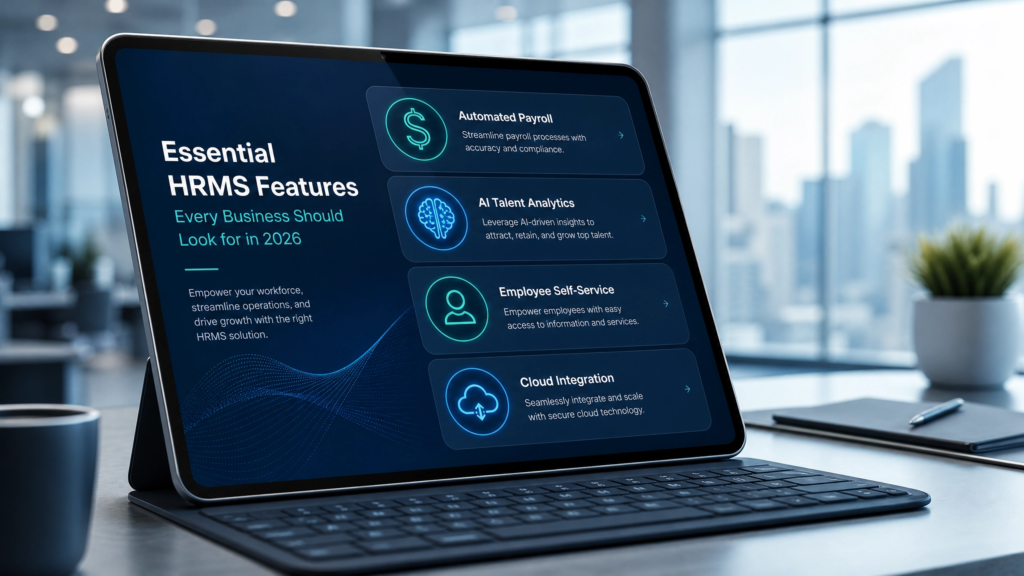
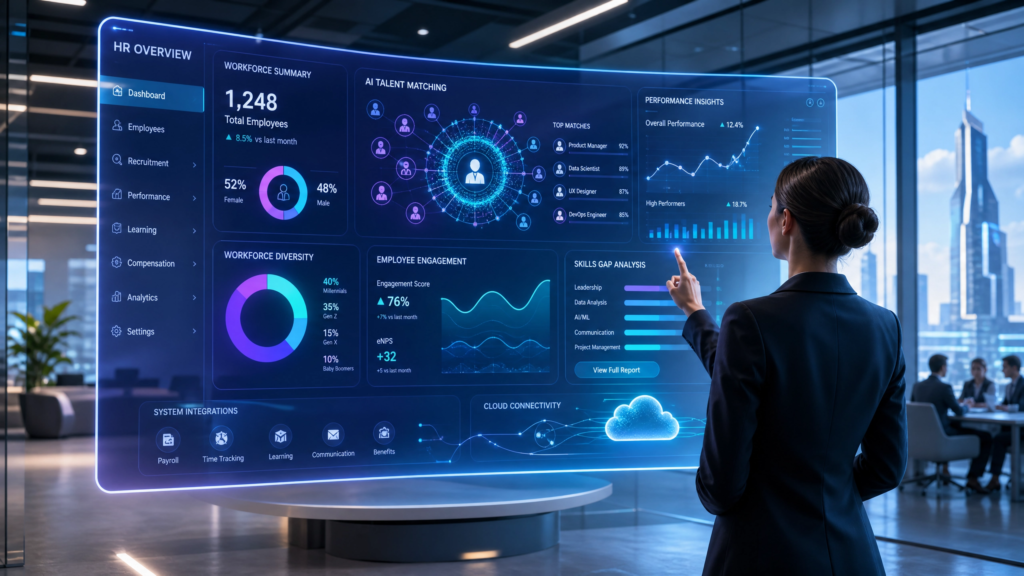
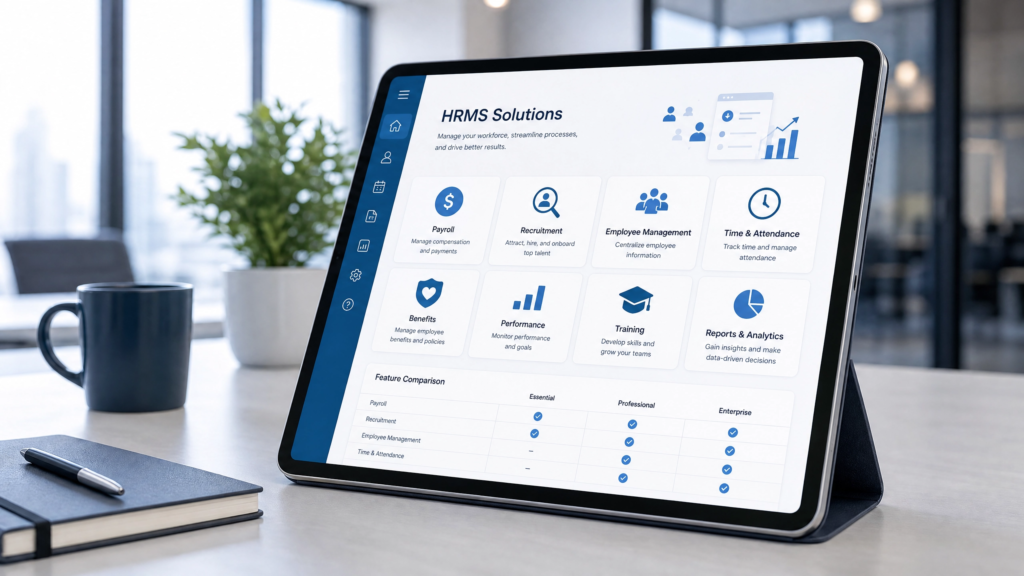
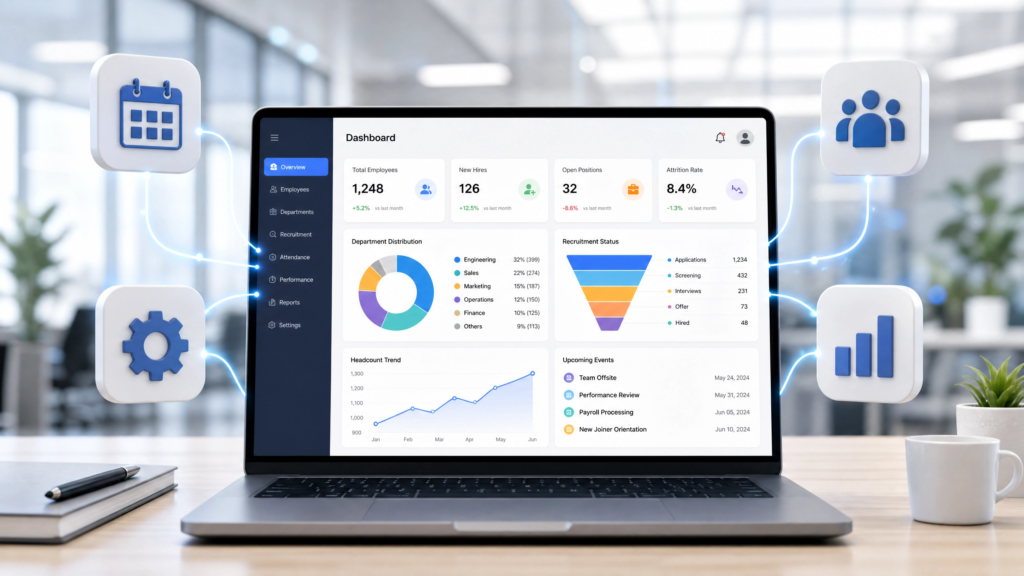
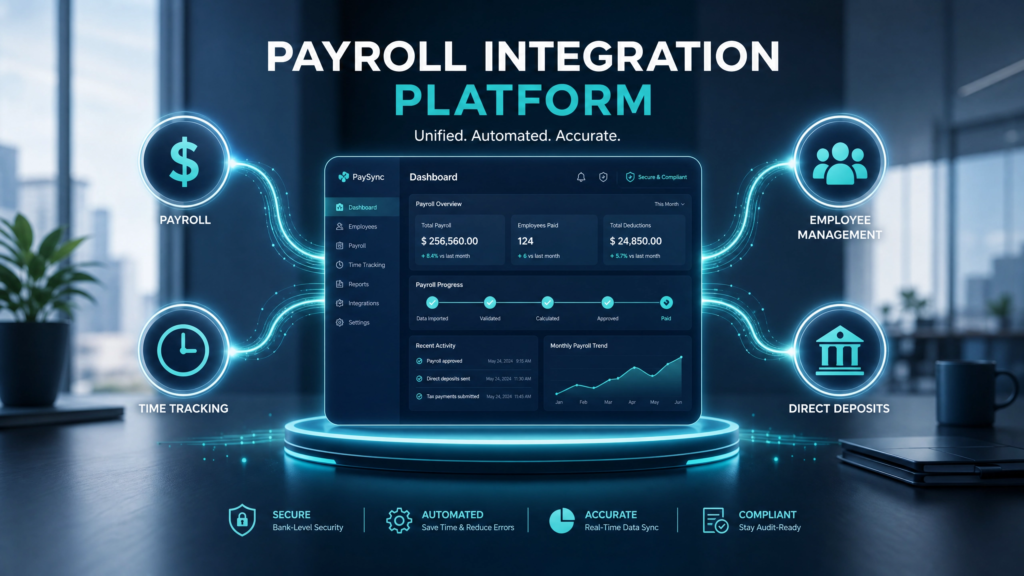
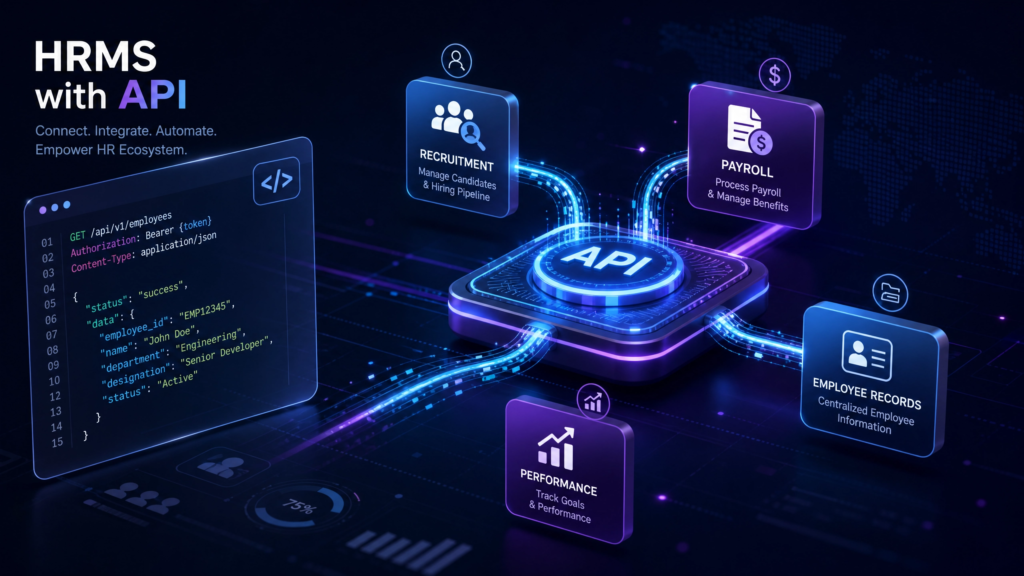
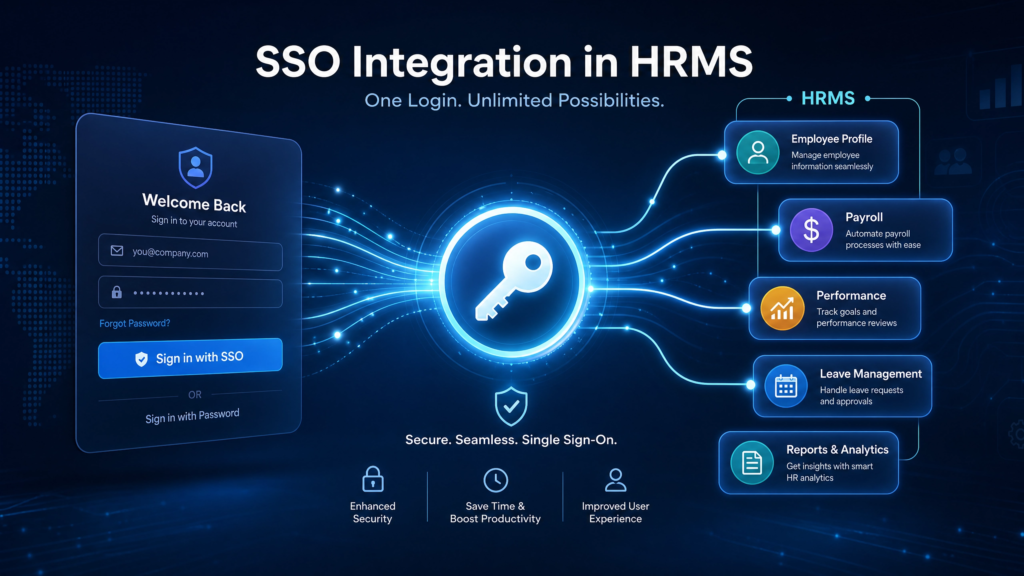
Employee Management System in USA: Complete Guide to Features, Benefits & Business Growth Quick Answer An Employee Management System in USA is a cloud-based solution that helps businesses manage employee records, attendance, payroll, leave, performance, and HR tasks from one platform. It improves productivity, reduces manual work, and streamlines workforce management. Introduction Managing employees efficiently is essential for every business. As organizations grow, handling employee information, attendance, payroll, leave requests, and performance manually becomes time-consuming and prone to errors. An Employee Management System in USA simplifies these tasks by bringing all employee-related processes into one centralized platform. It helps HR teams automate routine work, improve communication, and make better workforce decisions. What Is an Employee Management System? An Employee Management System is software designed to manage the complete employee lifecycle, from hiring and onboarding to payroll, performance, and employee records. A modern system typically includes: Employee Database Payroll Management Attendance Tracking Leave Management Employee Self-Service (ESS) Recruitment & Onboarding Performance Management HR Reports & Analytics By centralizing these functions, businesses can improve efficiency and reduce administrative workload. Benefits of an Employee Management System in USA Improves HR Efficiency Automates repetitive HR tasks, allowing HR professionals to focus on strategic activities. Centralizes Employee Data Stores all employee information securely in one location for easy access and management. Enhances Employee Experience Employees can update personal details, apply for leave, and download payslips through a self-service portal. Supports Better Decision-Making Real-time dashboards and reports provide valuable insights into workforce performance and productivity. Grows with Your Business Cloud-based systems are scalable and support businesses as they expand across departments and locations. Key Features to Look For When choosing an Employee Management System in USA, ensure it includes: Employee Records Management Payroll Processing Attendance Management Leave Management Employee Self-Service Portal Recruitment & Onboarding Performance Management HR Analytics & Reports Mobile Access Role-Based Security These features help businesses manage employees efficiently while improving HR operations. Why Cloud-Based Employee Management Systems Are Better Cloud-based employee management systems offer greater flexibility, security, and accessibility than traditional software. Key advantages include: Access from anywhere Automatic software updates Secure cloud storage Lower IT costs Easy integration with HR and payroll systems Support for remote and hybrid work Cloud technology enables businesses to manage their workforce more efficiently while reducing operational costs. Why Choose EHRMSNext? EHRMSNext is a comprehensive Employee Management System in USA that helps businesses automate HR operations through one secure cloud platform. It combines employee records, payroll, attendance, leave management, recruitment, performance management, and employee self-service into a single solution. With a user-friendly interface, advanced reporting, and scalable features, EHRMSNext helps organizations improve productivity, reduce administrative work, and deliver a better employee experience. Frequently Asked Questions 1. What is an Employee Management System? An Employee Management System is software that helps businesses manage employee information, payroll, attendance, leave, performance, and HR processes. 2. Why do businesses need an Employee Management System? It improves efficiency, reduces paperwork, enhances employee experience, and provides better workforce insights. 3. Is a cloud-based Employee Management System secure? Yes. Modern cloud platforms include data encryption, secure backups, role-based access, and advanced security measures to protect employee information. 4. Can small businesses use an Employee Management System? Yes. Cloud-based employee management systems are scalable and suitable for startups, small businesses, and large enterprises. Conclusion An Employee Management System in USA helps businesses simplify workforce management, automate HR processes, and improve employee productivity. By centralizing employee data and automating routine tasks, organizations can save time, improve accuracy, and support long-term business growth. If you’re looking for a secure and scalable employee management solution, EHRMSNext provides all the essential tools to streamline HR operations and build a more productive workforce. Read More HR Trends on LinkedIn Request a free Demo