Author name: jsburra

hr digital transformation use case
HRMS Definitions & Core HR Systems

What Is PTO Accrual?

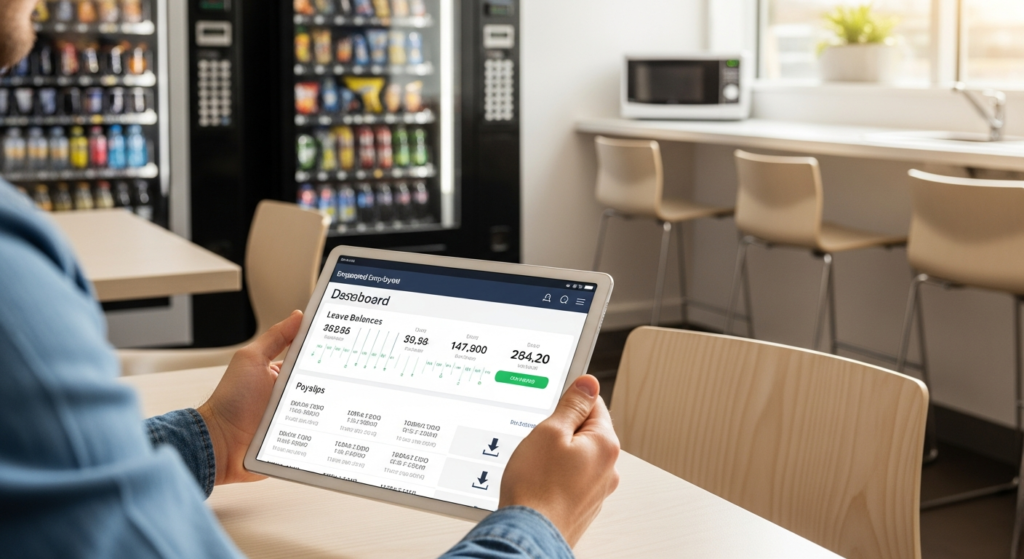
What Is PTO Accrual? PTO accrual is the process by which employees earn paid time off gradually over a period of time, based on hours worked, pay periods, tenure, or a predefined company leave policy. This guide to PTO accrual explains what PTO accrual is, how it works, common accrual methods, why it is important, and how organizations manage PTO accrual effectively. Who This Is For HR and payroll teams managing leave policies Organizations offering paid time off benefits Managers tracking employee leave balances Employees seeking clarity on earned PTO Summary: PTO accrual allows employees to earn paid leave gradually, ensuring fair leave distribution, policy transparency, and accurate payroll tracking. Why Is PTO Accrual Important? Ensures fair and consistent leave allocation Improves transparency in leave balances Supports compliance with labor and leave laws Reduces payroll and leave calculation errors Helps organizations plan workforce availability How Does PTO Accrual Work? Define PTO accrual rules in the leave policy Track employee working time or pay periods Accrue PTO based on defined formulas Update employee leave balances automatically Apply caps, carryover, or expiration rules Common PTO Accrual Methods Per pay period accrual: PTO earned each payroll cycle Hourly accrual: PTO earned per hour worked Annual accrual: PTO earned evenly across the year Tenure-based accrual: Higher accrual with longer service PTO Accrual vs Lump-Sum PTO PTO accrual earns leave gradually over time Lump-sum PTO grants leave upfront Accrual supports better leave control Lump-sum offers immediate flexibility Is PTO Accrual Required by Law? PTO accrual rules vary by country and region Some laws mandate minimum paid leave Employers define accrual policies within legal limits Accurate tracking is essential for compliance FAQs What is PTO accrual? PTO accrual is the method by which employees earn paid time off gradually according to company policy. How is PTO accrual calculated? PTO accrual is calculated based on hours worked, pay periods, tenure, or annual leave allocation divided over time. What are common PTO accrual methods? Common methods include per pay period accrual, hourly accrual, annual accrual, and tenure-based accrual. Is PTO accrual mandatory? PTO accrual requirements depend on local labor laws, but employers must comply with minimum leave regulations where applicable. Can PTO accrual be automated? Yes. HRMS platforms can automate PTO accrual calculations and leave balance tracking.

hrms for rpo
HRMS Definitions & Core HR Systems

What Are Statutory Compliances?

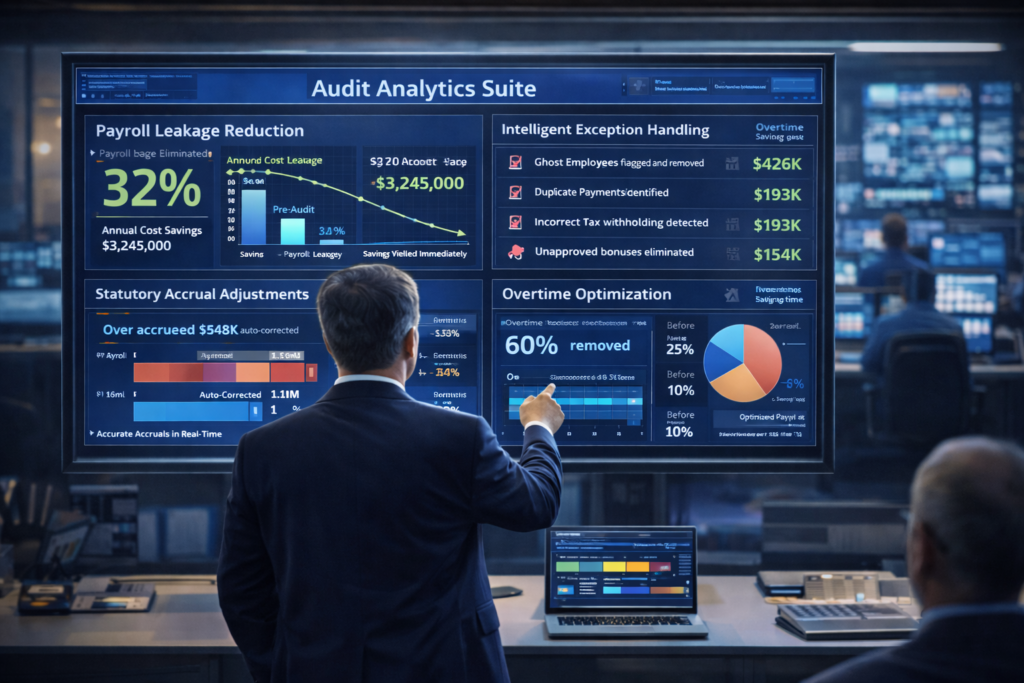
What Are Statutory Compliances? Statutory compliances are legally mandated rules and regulations that organizations must follow under labor, employment, tax, and social security laws to operate lawfully and protect employee rights. This guide to statutory compliances explains what statutory compliances are, why they are important, common examples of statutory compliances, and how organizations manage compliance effectively. Who This Is For HR and payroll teams managing legal obligations Compliance and audit professionals Organizations employing salaried or hourly workers Businesses operating under labor and tax regulations Summary: Statutory compliances ensure organizations follow labor, payroll, and employment laws, reduce legal risk, and maintain ethical and lawful business operations. Why Are Statutory Compliances Important? Ensure adherence to labor and employment laws Protect employee rights and benefits Reduce risk of penalties and legal disputes Maintain organizational credibility and trust Support audit readiness and regulatory reporting Examples of Statutory Compliances Payroll compliances: Minimum wage, overtime rules, statutory deductions Social security compliances: Provident fund, pension, insurance contributions Tax compliances: Income tax deductions, filings, and reporting Leave and working hour laws: Paid leave, holidays, work-hour limits Health and safety regulations: Workplace safety and employee welfare laws Who Must Follow Statutory Compliances? Employers hiring full-time or part-time employees Organizations running payroll operations Companies subject to labor and tax laws Businesses operating across multiple regions Consequences of Non-Compliance Financial penalties and fines Legal action or prosecution Reputational damage Operational disruptions Loss of employee trust How Organizations Manage Statutory Compliances Maintain accurate employee and payroll records Track regulatory changes and updates Ensure timely filings and statutory payments Use HRMS or compliance automation tools Prepare for audits and inspections FAQs What are statutory compliances? Statutory compliances are legally required rules and regulations that organizations must follow under labor, tax, and employment laws. Why are statutory compliances important? They ensure legal compliance, protect employee rights, and reduce the risk of penalties and legal disputes. What are examples of statutory compliances? Examples include minimum wage laws, social security contributions, tax deductions, leave policies, and workplace safety regulations. Who must follow statutory compliances? All employers and organizations that hire employees and operate payroll must follow statutory compliances. How can companies manage statutory compliances? Companies can manage statutory compliances by maintaining accurate records, tracking regulatory changes, and using HRMS or compliance automation software.

HRMS Definitions & Core HR Systems

What Is Remote Workforce Management?

What Is Remote Workforce Management? Remote workforce management is the practice of coordinating, monitoring, and supporting employees who work outside a central office using digital tools, processes, and performance frameworks. This guide to remote workforce management explains what remote workforce management is, who it applies to, how it works, and how organizations manage distributed and remote teams effectively. Who This Is For Organizations with remote or distributed employees HR teams managing work-from-home policies Managers leading virtual teams Companies operating across geographies and time zones Summary: Remote workforce management enables organizations to manage distributed employees through structured communication, performance tracking, digital collaboration, and workforce visibility. Who Is Considered a Remote Workforce? Fully remote employees working from home Distributed teams across cities or countries Hybrid employees working remotely part-time Global teams operating across time zones Why Is Remote Workforce Management Important? Maintains productivity outside the office Improves accountability and visibility Supports collaboration across locations Ensures consistent performance management Enables scalable remote work operations How Remote Workforce Management Works Define work schedules, availability, and policies Assign tasks, goals, and deliverables digitally Enable communication through collaboration tools Track attendance, productivity, and outcomes Monitor performance using dashboards and reports Benefits of Remote Workforce Management Improved workforce productivity and focus Greater flexibility for employees Reduced operational and office costs Access to a global talent pool Better employee satisfaction and retention Remote Workforce Management vs Traditional Workforce Management Remote workforce management relies on digital collaboration and outcome-based tracking

HRMS Definitions & Core HR Systems

What Is Deskless Workforce Management?

What Is Deskless Workforce Management? Deskless workforce management is the practice of coordinating, scheduling, communicating with, and tracking employees who work away from desks, such as frontline, field, and mobile workers. This guide to deskless workforce management explains what deskless workforce management is, who it applies to, how it works, and how organizations manage frontline and mobile employees effectively. Who This Is For Organizations with frontline or field-based employees Operations and workforce managers HR teams supporting non-desk employees Businesses with distributed or mobile workforces Summary: Deskless workforce management enables organizations to manage frontline and mobile employees through centralized scheduling, communication, attendance tracking, and performance visibility. Who Is Considered a Deskless Workforce? Retail store staff Manufacturing and factory workers Healthcare and hospital staff Logistics and warehouse teams Field service and construction workers Why Is Deskless Workforce Management Important? Improves visibility into frontline operations Enhances communication with non-desk employees Reduces scheduling conflicts and absenteeism Ensures compliance with labor and shift regulations Boosts productivity and employee engagement How Deskless Workforce Management Works Create and manage shift schedules centrally Assign tasks and work orders digitally Enable mobile access for communication and updates Track attendance, time, and location Monitor performance and workforce data Benefits of Deskless Workforce Management Real-time workforce visibility Improved frontline coordination Reduced operational disruptions Higher workforce accountability Better employee experience for deskless workers Deskless Workforce Management vs Traditional Workforce Management Deskless workforce management focuses on mobile and frontline employees Traditional workforce management assumes desk-based work Deskless models rely on mobile-first tools Traditional models rely on office-based systems FAQs What is deskless workforce management? Deskless workforce management is the coordination and management of employees who work away from desks, such as frontline, field, and mobile workers. Who is considered a deskless worker? Deskless workers include retail staff, manufacturing employees, healthcare workers, logistics teams, and field service professionals. Why is deskless workforce management important? It improves visibility, communication, scheduling efficiency, and productivity for frontline and mobile workforces. What tools support deskless workforce management? Tools include mobile scheduling, attendance tracking, communication apps, task management, and workforce analytics systems. Is deskless workforce management part of an HRMS? Yes. Modern HRMS platforms include features to manage deskless and frontline employees.

HRMS Definitions & Core HR Systems

What Is Skills Based Workforce Planning?

What Is Skills-Based Workforce Planning? Skills-based workforce planning is an approach that focuses on identifying, assessing, and aligning employee skills with current and future business needs, rather than relying solely on job titles or roles. This guide to skills-based workforce planning explains what skills-based workforce planning is, why it matters, how it works, and how organizations build agile, future-ready workforces. Who This Is For HR and workforce planning leaders Organizations preparing for digital transformation Business leaders addressing future skill gaps Companies moving beyond traditional role-based planning Summary: Skills-based workforce planning enables organizations to proactively manage skill gaps, improve agility, and align talent capabilities with evolving business strategies. Why Is Skills-Based Workforce Planning Important? Addresses rapidly changing skill requirements Improves workforce agility and adaptability Supports reskilling and upskilling initiatives Reduces dependency on static job roles Enables future-ready workforce strategies How Skills-Based Workforce Planning Works Identify critical skills required for business objectives Assess current workforce skills inventory Analyze skill gaps and surpluses Plan hiring, reskilling, or redeployment strategies Continuously monitor and update skill data Benefits of Skills-Based Workforce Planning Improved talent utilization and mobility Faster response to market and technology changes Reduced hiring costs through internal skill matching Stronger alignment between talent and strategy Better workforce resilience and scalability Skills-Based Workforce Planning vs Role-Based Planning Skills-based planning focuses on capabilities and competencies Role-based planning focuses on fixed job titles Skills-based models adapt faster to change Role-based models are slower and less flexible FAQs What is skills-based workforce planning? Skills-based workforce planning is a strategic approach that aligns employee skills with current and future business needs rather than relying only on job roles. Why is skills-based workforce planning important? It helps organizations remain agile, address skill gaps, and prepare for future workforce requirements. How does skills-based workforce planning work? It involves identifying required skills, assessing existing skills, analyzing gaps, and planning hiring or upskilling initiatives. How is skills-based planning different from role-based planning? Skills-based planning focuses on employee capabilities, while role-based planning relies on predefined job titles. Is skills-based workforce planning supported by HRMS? Yes. Modern HRMS platforms support skills tracking, analytics, and workforce planning capabilities.

HRMS Definitions & Core HR Systems

What Is Employee Attrition?

What Is Employee Attrition? Employee attrition refers to the gradual reduction of an organization’s workforce due to resignations, retirements, or other departures that are not immediately replaced. This guide to employee attrition explains what employee attrition is, why it happens, the different types of attrition, how to calculate attrition rate, and how organizations manage workforce stability. Who This Is For HR teams tracking workforce movement and stability Business leaders monitoring employee retention People analytics and workforce planning teams Organizations seeking to reduce unwanted employee exits Summary: Employee attrition measures workforce reduction over time and helps organizations understand retention challenges, workforce health, and long-term staffing needs. Why Is Employee Attrition Important? Indicates workforce stability and employee satisfaction Impacts productivity and operational continuity Affects hiring costs and talent planning Provides insights into retention challenges Supports long-term workforce strategy Types of Employee Attrition Voluntary attrition: Employees leave by choice Involuntary attrition: Employees exit due to layoffs or termination Retirement attrition: Employees leave after reaching retirement age Internal attrition: Employees move to different roles internally Natural attrition: Positions are not refilled after departure Common Causes of Employee Attrition Lack of career growth or development opportunities Compensation or benefits dissatisfaction Poor work-life balance Management or leadership issues Organizational restructuring or uncertainty How to Calculate Employee Attrition Rate Attrition Rate Formula: (Number of employees who left ÷ Average number of employees) × 100 Helps quantify workforce reduction over a specific period Used for trend analysis and benchmarking Employee Attrition vs Employee Turnover Employee attrition focuses on workforce reduction Employee turnover includes replacement of employees Attrition may reduce total headcount Turnover maintains headcount but increases hiring activity FAQs What is employee attrition? Employee attrition refers to the gradual reduction of employees due to resignations, retirements, or other departures that are not immediately replaced. What are the types of employee attrition? Common types include voluntary, involuntary, retirement, internal, and natural attrition. How do you calculate employee attrition rate? Employee attrition rate is calculated by dividing the number of employees who left by the average number of employees and multiplying by 100. What is the difference between attrition and turnover? Attrition reduces total workforce size, while turnover replaces employees to maintain headcount. Is employee attrition always bad? No. Planned or natural attrition can help optimize workforce costs, but high unwanted attrition can indicate deeper organizational issues.

HRMS for HR Departments
HRMS Definitions & Core HR Systems

What Is HR Compliance Automation?

What Is HR Compliance Automation? HR compliance automation is the use of software to automatically enforce labor laws, statutory regulations, and internal HR policies across payroll, attendance, employee records, and workforce processes. This guide to HR compliance automation explains what HR compliance automation is, why it is important, how it works, and how organizations reduce compliance risk through automated HR systems. Who This Is For HR and payroll teams managing statutory compliance Compliance and audit teams reducing regulatory risk Organizations operating across regions or jurisdictions Businesses moving from manual to automated compliance processes Summary: HR compliance automation reduces regulatory risk by continuously applying labor laws, policies, and statutory rules through automated HR, payroll, and workforce systems. Why Is HR Compliance Automation Important? Reduces risk of non-compliance and penalties Ensures consistent enforcement of labor laws Eliminates manual compliance tracking Improves audit readiness and reporting Supports regulatory changes at scale What Problems Does HR Compliance Automation Solve? Manual tracking of labor laws and statutory rules Payroll errors caused by outdated regulations Inconsistent application of HR policies Limited visibility into compliance status Delayed audit preparation How HR Compliance Automation Works Configure labor laws, statutory rules, and HR policies Capture workforce, attendance, and payroll data Automatically validate compliance rules Trigger alerts for violations or exceptions Maintain audit logs and compliance reports Benefits of HR Compliance Automation Lower compliance risk and regulatory exposure Accurate payroll and statutory calculations Real-time compliance visibility Reduced manual workload for HR teams Improved confidence during audits HR Compliance Automation vs Manual Compliance Automated compliance enforces rules continuously Manual compliance relies on periodic checks Automation reduces human error Manual processes increase compliance risk FAQs What is HR compliance automation? HR compliance automation is the use of software to automatically enforce labor laws, statutory requirements, and HR policies across workforce processes. What regulations does HR compliance automation cover? It

HRMS Definitions & Core HR Systems

What Is HR Analytics?

What Is HR Analytics? HR analytics is the practice of collecting, analyzing, and interpreting workforce data to improve HR decision-making, optimize people processes, and support overall business performance. This guide to HR analytics explains what HR analytics is, why it is important, the different types of HR analytics, how it works, and how organizations use workforce data to make better decisions. Who This Is For HR leaders building data-driven HR strategies People analytics and workforce planning teams Business leaders aligning HR decisions with outcomes Organizations moving beyond basic HR reporting Summary: HR analytics transforms workforce data into actionable insights that help organizations improve performance, predict trends, and make evidence-based HR decisions. Why Is HR Analytics Important? Improves the quality of HR and people decisions Identifies workforce trends and risks early Aligns HR initiatives with business objectives Supports productivity, retention, and engagement Enables strategic workforce planning Types of HR Analytics Descriptive analytics: Explains what has happened using historical HR data Diagnostic analytics: Identifies why specific workforce outcomes occurred Predictive analytics: Forecasts future trends such as attrition or performance Prescriptive analytics: Recommends actions to improve workforce outcomes How HR Analytics Works Collect employee and workforce data from HR systems Clean, organize, and standardize the data Analyze trends, patterns, and correlations Visualize insights using reports and dashboards Use insights to guide HR and business decisions Benefits of HR Analytics Data-driven workforce planning Improved employee retention and engagement Better hiring and talent development decisions Reduced HR risks and inefficiencies Greater transparency and accountability HR Analytics vs HR Reporting HR analytics focuses on insights, trends, and predictions HR reporting focuses on historical data and metrics Analytics supports strategic decision-making Reporting supports operational tracking FAQs What is HR analytics? HR analytics is the practice of analyzing workforce data to improve HR decisions, people processes, and organizational performance. What are the main types of HR analytics? The main types of HR analytics are descriptive, diagnostic, predictive, and prescriptive analytics. Why is HR analytics important? HR analytics helps organizations make informed decisions, predict workforce trends, and align HR strategies with business goals. What data is used in HR analytics? HR analytics uses employee demographics, performance data, attendance, payroll, engagement, and attrition information. Is HR analytics part of an HRMS? Yes. Modern HRMS platforms include HR analytics features such as dashboards, reports, and predictive insights.

ESS Use Case
HRMS Definitions & Core HR Systems

What Is HR Document Management? Complete Guide

What Is HR Document Management? Complete Guide HR document management is the process of securely storing, organizing, managing, and retrieving employee-related documents throughout the entire employee lifecycle, while ensuring compliance, data security, and controlled access. This complete guide to HR document management explains what HR document management is, why it matters, how it works, and how organizations can manage employee documents securely and compliantly. Who This Is For HR teams managing employee records and documentation Compliance and audit teams handling regulatory requirements Organizations moving from paper-based to digital HR processes Businesses seeking secure and centralized document control Summary: HR document management centralizes employee documents, improves security and access control, supports compliance requirements, and reduces manual paperwork. Why Is HR Document Management Important? Ensures secure storage of sensitive employee data Supports compliance with labor and data protection laws Reduces risk of document loss or unauthorized access Improves efficiency and retrieval of HR records Enables audit-ready documentation What Documents Are Included in HR Document Management? Employee contracts and offer letters Identity and compliance documents Payroll and compensation records Attendance and leave records Performance reviews and appraisal documents Training and certification records How HR Document Management Works Capture and digitize employee documents Organize documents by employee and document type Apply role-based access and permissions Track document versions and changes Retain, archive, or delete documents based on policy Benefits of HR Document Management Improved data security and confidentiality Faster access to employee information Reduced administrative workload Better compliance and audit readiness Consistent document handling across the organization HR Document Management and Compliance Supports document retention and disposal policies Maintains audit trails and access logs Ensures compliance with labor and data privacy laws Reduces risk of compliance violations and penalties FAQs What is HR document management? HR document management is the process of securely storing, organizing, and managing employee-related documents throughout the employee lifecycle. Why is HR document management important? It is important because it improves security, supports compliance, reduces manual work, and ensures easy access to HR records. What documents should HR manage? HR should manage contracts, identity documents, payroll records, attendance data, performance reviews, and training records. Is HR document management part of an HRMS? Yes. Modern HRMS platforms include HR document management as a core feature. How does HR document management help with compliance? It supports document retention policies, access control, audit trails, and regulatory compliance requirements.

HRMS for Startups
HRMS Definitions & Core HR Systems

What Is Performance Management? Complete Overview

What Is Performance Management? Complete Overview Performance management is a continuous process of setting goals, monitoring progress, providing feedback, and evaluating employee performance to align individual contributions with organizational objectives. This complete overview of performance management explains the concept, importance, process, key components, and benefits of performance management in modern organizations. Who This Is For HR professionals designing performance frameworks Managers responsible for employee development Business leaders improving workforce productivity Organizations transitioning from annual appraisals to continuous feedback Summary: Performance management is an ongoing, goal-driven process that focuses on continuous feedback, performance tracking, and employee development rather than one-time evaluations. Why Is Performance Management Important? Aligns employee goals with business objectives Improves productivity and accountability Encourages continuous feedback and development Identifies performance gaps early Supports employee engagement and retention Key Components of Performance Management Goal setting and performance planning Continuous monitoring and tracking Regular feedback and coaching Performance evaluation and reviews Learning and development planning Performance Management Process Define clear and measurable goals Track performance against expectations Provide ongoing feedback and support Conduct performance reviews Create development and improvement plans Benefits of Performance Management Improved employee performance and output Greater transparency and fairness Stronger manager–employee relationships Better workforce planning and decision-making Continuous skill development Performance Management vs Performance Appraisal Performance management is continuous and ongoing Performance appraisal is periodic and event-based Performance management focuses on development Performance appraisal focuses on evaluation Modern organizations use performance management to replace traditional appraisals FAQs What is performance management? Performance management is a continuous process of planning, monitoring, and improving employee performance to achieve organizational goals. What are the main components of performance management? The main components include goal setting, continuous monitoring, feedback, performance evaluation, and development planning. How is performance management different from performance appraisal? Performance management is ongoing and development-focused, while performance appraisal is a periodic evaluation of past performance. Why is performance management important for organizations? It helps align employee goals with business objectives, improve productivity, and support continuous employee development. Is performance management a continuous process? Yes. Modern performance management emphasizes continuous feedback, tracking, and improvement rather than annual reviews.

Scroll to Top