HRMS Definitions & Core HR Systems

This category covers foundational HR and HR technology definitions. It explains core systems, terminology, and concepts that form the base of modern HR operations, helping readers clearly understand HRMS and related systems before evaluating tools or platforms.

HRMS for Advertising Agencies
HRMS Definitions & Core HR Systems

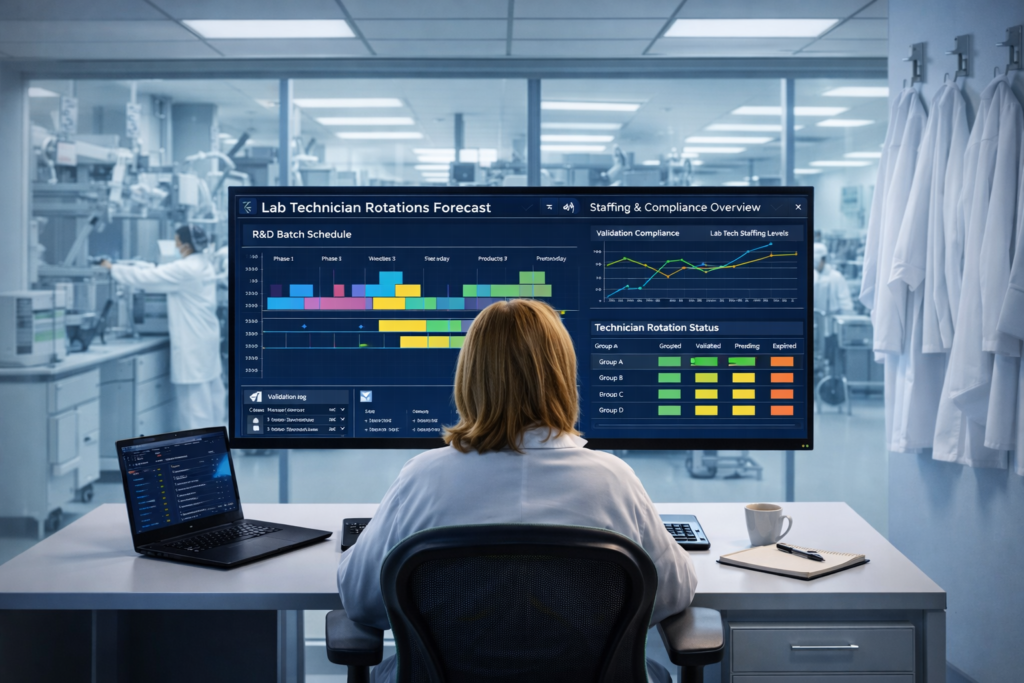
What Is Workforce Scheduling Optimization?

What Is Workforce Scheduling Optimization? What Is Workforce Scheduling Optimization? This guide provides a clear, concise definition and practical insights for HR professionals, business leaders, and employees evaluating HR technology solutions. Core Definition WSO: automates shift planning and resource allocation. Understanding this concept helps organizations make better HR technology decisions and improve operational efficiency. Why This Matters Companies implementing these structures see measurable improvements in operational efficiency, compliance adherence, and employee satisfaction. Modern HRMS platforms address these challenges through automation, centralized management, and data-driven insights. Key Components Clear processes and workflows Automation and technology integration Compliance and regulatory alignment Data accuracy and reporting capabilities Common Challenges Organizations often struggle with this workforce issue due to manual processes, lack of integration, and evolving requirements. Modern HR platforms address these challenges through automation and centralized management. Implementation Best Practices Start with clear process documentation Automate repetitive tasks where possible Ensure compliance with regulations Train teams on new workflows Monitor metrics and continuously improve Industry Insight Leading HR platforms emphasize the importance of workforce scheduling in their solutions, helping organizations scale efficiently while maintaining compliance and employee satisfaction. Learn More About HR Fundamentals Core HR concepts are discussed in industry resources and best practice guides. Understanding these fundamentals is essential for HR success. How EHRMSNext Supports This EHRMSNext provides comprehensive tools for WSO (workforce scheduling optimizations)  with automation, compliance tracking, and analytics. SeeEHRMSNext featuresor exploreuse cases. Need help with HR management? Contact our team.  

HRMS Definitions & Core HR Systems

What Is Workforce Cost Management?

What Is Workforce Cost Management? Workforce cost management is the process of monitoring, controlling, and optimizing labor-related expenses such as salaries, benefits, overtime, and staffing costs to improve profitability and operational efficiency. This guide to workforce cost management explains what workforce cost management is, why it is important, what costs it includes, how it works, and how organizations control labor expenses without hurting productivity. Who This Is For HR and payroll leaders Finance teams and CFOs Operations managers Organizations focused on cost optimization and efficiency Summary: Workforce cost management helps organizations control labor expenses, forecast workforce spending, and align staffing costs with business performance. Why Is Workforce Cost Management Important? Controls rising labor and payroll expenses Improves profitability and budget accuracy Prevents unnecessary overtime and overstaffing Supports data-driven workforce decisions Maintains financial stability during growth or uncertainty What Costs Are Included in Workforce Cost Management? Salaries and wages: Fixed and variable employee pay Overtime costs: Additional labor hours beyond standard schedules Employee benefits: Insurance, bonuses, and incentives Payroll taxes: Statutory employer contributions Recruitment and onboarding: Hiring and training expenses Contract and temporary labor: External workforce costs How Does Workforce Cost Management Work? Analyze current workforce cost data Identify major cost drivers and inefficiencies Forecast future labor expenses Optimize staffing, scheduling, and compensation Continuously monitor and adjust workforce costs When Should Workforce Cost Management Be Used? Annual budgeting and financial planning Business growth or expansion Economic uncertainty or cost pressure Organizational restructuring Improving operational efficiency Workforce Cost Management vs Cost Cutting Workforce cost management focuses on long-term cost optimization Cost cutting often involves short-term expense reduction Cost management balances savings with productivity Cost cutting may negatively impact morale and performance FAQs What is workforce cost management? Workforce cost management is the practice of controlling and optimizing labor-related expenses to improve financial performance. Why is workforce cost management important? It helps organizations manage labor costs, improve profitability, and make informed workforce decisions. What costs are included in workforce cost management? Costs include salaries, overtime, benefits, payroll taxes, recruitment, and contractor expenses. Is workforce cost management the same as cost cutting? No. Workforce cost management focuses on optimization, while cost cutting is often a short-term reduction strategy. Can workforce cost management be automated? Yes. Workforce cost management can be automated using HRMS, payroll, and workforce analytics software.

HRMS Definitions & Core HR Systems

What Is Workforce Productivity Tracking?

What Is Workforce Productivity Tracking? Workforce productivity tracking is the process of measuring employee output, efficiency, and performance using data, metrics, and digital tools to improve workforce effectiveness and business outcomes. This guide to workforce productivity tracking explains what productivity tracking is, why it matters, how it works, key productivity metrics, and how organizations use tracking to improve performance. Who This Is For HR leaders and workforce analytics teams Operations and business managers Organizations managing remote or hybrid teams Businesses focused on performance optimization Summary: Workforce productivity tracking helps organizations measure performance, identify inefficiencies, improve output, and make data-driven workforce decisions. Why Is Workforce Productivity Tracking Important? Provides visibility into employee performance Identifies productivity gaps and bottlenecks Improves workforce efficiency and output Supports fair performance evaluation Enables data-driven decision-making How Does Workforce Productivity Tracking Work? Define productivity goals and performance metrics Collect work, time, and output data Analyze productivity trends and patterns Identify inefficiencies and improvement areas Implement actions to optimize performance Key Workforce Productivity Metrics Output per employee: Work completed within a time period Time utilization: Productive vs non-productive hours Task completion rate: Tasks completed on time Efficiency ratios: Output relative to input Quality metrics: Accuracy and error rates When Should Workforce Productivity Tracking Be Used? Managing remote or hybrid workforces Improving operational efficiency Monitoring team and department performance Supporting performance reviews Optimizing workforce capacity Workforce Productivity Tracking vs Performance Management Productivity tracking focuses on measuring output and efficiency Performance management evaluate

HRMS Definitions & Core HR Systems

What Is Workforce Forecasting?

What Is Workforce Forecasting? Workforce forecasting is the process of predicting an organization’s future workforce needs by analyzing current employee data, business demand, growth plans, and skill requirements. This guide to workforce forecasting explains what workforce forecasting is, why it is important, how it works, common forecasting methods, and how organizations use forecasting to plan hiring and workforce capacity. Who This Is For HR leaders and workforce planners Finance and operations teams Organizations planning growth or restructuring Businesses managing capacity, skills, and talent demand Summary: Workforce forecasting helps organizations anticipate future talent needs, close skill gaps, control labor costs, and align staffing with business goals. Why Is Workforce Forecasting Important? Prevents overstaffing and understaffing Supports proactive hiring and talent planning Identifies future skill gaps Improves workforce cost control Aligns people strategy with business growth How Does Workforce Forecasting Work? Analyze current workforce size, roles, and skills Review business goals, demand, and growth plans Identify future workload and skill requirements Predict workforce supply and gaps Create hiring, reskilling, or redeployment plans Common Workforce Forecasting Methods Trend analysis: Uses historical data to predict future needs Ratio analysis: Forecasts workforce based on business output ratios Scenario planning: Plans workforce needs under different scenarios Demand-based forecasting: Aligns staffing with expected demand Skills-based forecasting: Focuses on future skill requirements When Should Workforce Forecasting Be Used? Business expansion or scaling Seasonal demand planning New projects or product launches Organizational restructuring Long-term workforce strategy planning Workforce Forecasting vs Workforce Planning Workforce forecasting predicts future workforce needs Workforce planning creates action plans based on forecasts Forecasting answers “how many and what skills” Planning answers “how to meet those needs” FAQs What is workforce forecasting? Workforce forecasting is the process of predicting future workforce needs based on business demand and workforce data. Why is workforce forecasting important? It helps organizations plan hiring, control labor costs, and ensure the right skills are available at the right time. What methods are used in workforce forecasting? Common methods include trend analysis, ratio analysis, scenario planning, and skills-based forecasting. How is workforce forecasting different from workforce planning? Forecasting predicts future workforce needs, while workforce planning focuses on actions to meet those needs. Can workforce forecasting be automated? Yes. Workforce forecasting can be automated using HR analytics and workforce management software.

ESS Use Case
HRMS Definitions & Core HR Systems

What Is HR Document Management? Complete Guide

What Is HR Document Management? Complete Guide HR document management is the process of securely storing, organizing, managing, and retrieving employee-related documents throughout the entire employee lifecycle, while ensuring compliance, data security, and controlled access. This complete guide to HR document management explains what HR document management is, why it matters, how it works, and how organizations can manage employee documents securely and compliantly. Who This Is For HR teams managing employee records and documentation Compliance and audit teams handling regulatory requirements Organizations moving from paper-based to digital HR processes Businesses seeking secure and centralized document control Summary: HR document management centralizes employee documents, improves security and access control, supports compliance requirements, and reduces manual paperwork. Why Is HR Document Management Important? Ensures secure storage of sensitive employee data Supports compliance with labor and data protection laws Reduces risk of document loss or unauthorized access Improves efficiency and retrieval of HR records Enables audit-ready documentation What Documents Are Included in HR Document Management? Employee contracts and offer letters Identity and compliance documents Payroll and compensation records Attendance and leave records Performance reviews and appraisal documents Training and certification records How HR Document Management Works Capture and digitize employee documents Organize documents by employee and document type Apply role-based access and permissions Track document versions and changes Retain, archive, or delete documents based on policy Benefits of HR Document Management Improved data security and confidentiality Faster access to employee information Reduced administrative workload Better compliance and audit readiness Consistent document handling across the organization HR Document Management and Compliance Supports document retention and disposal policies Maintains audit trails and access logs Ensures compliance with labor and data privacy laws Reduces risk of compliance violations and penalties FAQs What is HR document management? HR document management is the process of securely storing, organizing, and managing employee-related documents throughout the employee lifecycle. Why is HR document management important? It is important because it improves security, supports compliance, reduces manual work, and ensures easy access to HR records. What documents should HR manage? HR should manage contracts, identity documents, payroll records, attendance data, performance reviews, and training records. Is HR document management part of an HRMS? Yes. Modern HRMS platforms include HR document management as a core feature. How does HR document management help with compliance? It supports document retention policies, access control, audit trails, and regulatory compliance requirements.

shift rotation management
HRMS Definitions & Core HR Systems

What Is an HRMS? Complete 2026 Guide

What Is an HRMS? (Complete 2026 Guide) An HRMS (Human Resource Management System) is a centralized software platform that manages core HR functions such as employee records, payroll, attendance, leave, compliance, and workforce management in a single system. This complete 2026 HRMS guide explains what an HRMS is, what it includes, why it matters in 2026, how it works, and how HRMS differs from HRIS and HCM. Who This Is For HR and payroll teams managing people operations Organizations modernizing HR processes in 2026 Businesses replacing manual or legacy HR systems Decision-makers evaluating HR software platforms Summary: An HRMS centralizes HR operations, automates payroll and compliance, improves workforce visibility, and enables data-driven HR decisions. Why Is an HRMS Important in 2026? Supports remote, hybrid, and distributed workforces Automates complex payroll and compliance rules Reduces manual HR and administrative workload Improves employee experience through self-service Provides real-time workforce data and insights What Does an HRMS Include? Core HR management: Employee profiles and lifecycle data Payroll management: Salary, deductions, and payouts Time and attendance: Work hours and shift tracking Leave management: PTO, accruals, and approvals Compliance management: Statutory rules and audits Workforce management: Scheduling and productivity HR analytics and reporting: Workforce insights How Does an HRMS Work? Centralizes employee and organizational data Automates HR, payroll, and attendance workflows Applies compliance rules and validations Provides dashboards and reports for decision-making Integrates with finance, IT, and business systems HRMS vs HRIS vs HCM HRMS manages operational HR, payroll, compliance, and workforce processes HRIS focuses on employee data storage and HR records HCM emphasizes strategic talent development and workforce optimization Modern HRMS platforms often include HRIS and HCM capabilities Who Should Use an HRMS? Small and mid-sized businesses scaling HR operations Enterprises with complex payroll and compliance needs Organizations with shift-based or global workforces Companies seeking end-to-end HR automation FAQs What is an HRMS? An HRMS is a software system that manages employee records, payroll, attendance, compliance, and workforce processes. What does HRMS stand for? HRMS stands for Human Resource Management System. What features does an HRMS include? HRMS features include core HR, payroll, attendance, leave management, compliance, workforce management, and analytics. Is HRMS different from HRIS? Yes. HRMS includes operational HR functions, while HRIS focuses mainly on employee data management. Is HRMS necessary in 2026? Yes. In 2026, HRMS is essential for managing remote work, compliance complexity, and data-driven HR operations.

HRMS for Startups
HRMS Definitions & Core HR Systems

What Is Performance Management? Complete Overview

What Is Performance Management? Complete Overview Performance management is a continuous process of setting goals, monitoring progress, providing feedback, and evaluating employee performance to align individual contributions with organizational objectives. This complete overview of performance management explains the concept, importance, process, key components, and benefits of performance management in modern organizations. Who This Is For HR professionals designing performance frameworks Managers responsible for employee development Business leaders improving workforce productivity Organizations transitioning from annual appraisals to continuous feedback Summary: Performance management is an ongoing, goal-driven process that focuses on continuous feedback, performance tracking, and employee development rather than one-time evaluations. Why Is Performance Management Important? Aligns employee goals with business objectives Improves productivity and accountability Encourages continuous feedback and development Identifies performance gaps early Supports employee engagement and retention Key Components of Performance Management Goal setting and performance planning Continuous monitoring and tracking Regular feedback and coaching Performance evaluation and reviews Learning and development planning Performance Management Process Define clear and measurable goals Track performance against expectations Provide ongoing feedback and support Conduct performance reviews Create development and improvement plans Benefits of Performance Management Improved employee performance and output Greater transparency and fairness Stronger manager–employee relationships Better workforce planning and decision-making Continuous skill development Performance Management vs Performance Appraisal Performance management is continuous and ongoing Performance appraisal is periodic and event-based Performance management focuses on development Performance appraisal focuses on evaluation Modern organizations use performance management to replace traditional appraisals FAQs What is performance management? Performance management is a continuous process of planning, monitoring, and improving employee performance to achieve organizational goals. What are the main components of performance management? The main components include goal setting, continuous monitoring, feedback, performance evaluation, and development planning. How is performance management different from performance appraisal? Performance management is ongoing and development-focused, while performance appraisal is a periodic evaluation of past performance. Why is performance management important for organizations? It helps align employee goals with business objectives, improve productivity, and support continuous employee development. Is performance management a continuous process? Yes. Modern performance management emphasizes continuous feedback, tracking, and improvement rather than annual reviews.

HRMS Definitions & Core HR Systems

What Is HRIS? Meaning Examples

What Is HRIS? (Meaning & Examples) HRIS (Human Resource Information System) is a software system used to store, manage, and process employee data and core HR information such as personal details, job records, attendance, and compliance documents. This guide to HRIS explains the meaning of HRIS, what an HRIS does, common HRIS functions, examples of HRIS systems, and how HRIS differs from HRMS and HCM. Who This Is For HR professionals managing employee data Organizations digitizing HR records SMBs and enterprises evaluating HR software Teams seeking centralized HR information systems Summary: An HRIS centralizes employee information, improves data accuracy, supports compliance, and simplifies core HR administration. Why Is HRIS Important? Centralizes employee data in one system Reduces manual record-keeping and errors Improves HR data accuracy and accessibility Supports compliance and audit readiness Saves time on administrative HR tasks What Does an HRIS Do? Stores employee personal and job information Tracks attendance and basic leave records Manages employee documents and policies Supports compliance and reporting needs Provides HR data visibility and insights Key Functions of an HRIS Employee data management: Profiles, roles, and employment history Attendance tracking: Basic work-hour records Document management: Contracts and HR files Compliance support: Recordkeeping and audits Reporting: HR metrics and summaries Examples of HRIS Employee information databases HR record management systems Basic attendance and leave tracking systems Cloud-based HR data platforms Integrated HR information modules within HR software HRIS vs HRMS vs HCM HRIS focuses on employee data storage and core HR records HRMS manages HR operations like payroll, attendance, and compliance HCM focuses on strategic workforce development and talent management HRIS is often a foundational component of HRMS and HCM FAQs What is HRIS? HRIS stands for Human Resource Information System and is used to manage employee data and core HR records. What does HRIS stand for? HRIS stands for Human Resource Information System. What are examples of HRIS? Examples include employee databases, HR record management systems, and basic attendance tracking tools. Is HRIS the same as HRMS? No. HRIS focuses on data storage, while HRMS includes operational HR functions like payroll and compliance. Why do companies use HRIS? Companies use HRIS to centralize HR data, improve accuracy, and simplify HR administration.

HRMS Definitions & Core HR Systems

What Is Org Chart Automation?

What Is Org Chart Automation? Org chart automation is the process of automatically creating and updating organizational charts using real-time employee, role, and reporting-line data from an HR management system. This overview of org chart automation explains how organizations replace manually maintained org charts with dynamic, always-updated organizational structures that improve visibility and workforce planning. Who This Is For HR teams managing organizational structure and reporting lines Business leaders planning workforce growth and changes Managers seeking clear team visibility Organizations scaling beyond static org charts Summary: Org chart automation uses live HR data to generate accurate, up-to-date organizational charts without manual updates, improving transparency and decision-making. Why Is Org Chart Automation Important? Eliminates manual maintenance of org charts Ensures organizational data is always current Improves visibility into reporting relationships Supports workforce planning and restructuring Reduces errors caused by outdated charts How Org Chart Automation Works Employee and role data is captured in the HRMS Reporting relationships are mapped automatically Org charts are generated dynamically Charts update instantly when changes occur Benefits of Org Chart Automation Real-time visibility into organizational structure Improved accuracy and consistency Faster onboarding and role clarity Better planning for growth and restructuring Reduced administrative effort Org Chart Automation vs Manual Org Charts Automated org charts update automatically from HR data Manual org charts require frequent manual updates Automated charts scale easily with organization growth Manual charts often become outdated quickly Automation improves accuracy and accessibility FAQs What is org chart automation? Org chart automation is the process of automatically creating and updating organizational charts using real-time employee and reporting data. How does org chart automation work? It pulls employee roles and reporting relationships from an HRMS to dynamically generate org charts that update automatically when changes occur. Why should organizations use org chart automation? It improves accuracy, saves time, enhances visibility, and supports workforce planning without manual maintenance. Is org chart automation part of an HRMS? Yes. Modern HRMS platforms include org chart automation as part of their core workforce visibility and planning capabilities. Who benefits most from org chart automation? Growing organizations, HR teams, managers, and leadership teams benefit most from org chart automation.

multi-lingual hrms use case
HRMS Definitions & Core HR Systems

What Is HCM? Full Explanation

What Is HCM? (Human Capital Management) Human Capital Management (HCM) is the practice of managing, developing, and optimizing an organization’s workforce across the entire employee lifecycle to improve productivity, engagement, and business outcomes. This complete guide to HCM explains what Human Capital Management is, why it is important, what it includes, how it works, and how it differs from HRMS and HRIS. Who This Is For HR leaders and people managers Organizations focused on workforce growth and retention Enterprises evaluating HR and HCM software Businesses aligning people strategy with business goals Summary: Human Capital Management focuses on treating employees as strategic assets by managing talent, performance, compensation, and development throughout the employee lifecycle. Why Is HCM Important? Aligns workforce strategy with business objectives Improves employee engagement and retention Optimizes productivity and performance Supports long-term talent development Enables data-driven people decisions What Does HCM Include? Core HR management: Employee records and lifecycle tracking Payroll and compensation: Salary, benefits, and incentives Talent acquisition: Recruitment and onboarding Performance management: Goals, reviews, and feedback Learning and development: Training and skill building Workforce analytics: Data-driven HR insights How Does Human Capital Management Work? Attract and hire the right talent Onboard employees effectively Manage payroll, performance, and compliance Develop employee skills and careers Analyze workforce data to improve outcomes HCM vs HRMS vs HRIS HCM focuses on strategic workforce optimization and development HRMS manages HR operations like payroll, attendance, and compliance HRIS primarily stores and manages employee data HCM often includes HRMS and HRIS capabilities Who Uses HCM? Mid-size and large enterprises Organizations with complex workforce structures Businesses prioritizing talent development Companies scaling their HR operations FAQs What is HCM? HCM stands for Human Capital Management and focuses on managing and developing employees as strategic business assets. What does HCM include? HCM includes core HR, payroll, talent management, performance, learning, and workforce analytics. Why is HCM important? HCM improves employee engagement, productivity, retention, and aligns workforce strategy with business goals. Is HCM the same as HRMS? No. HCM is broader and more strategic, while HRMS focuses on operational HR functions. Is HCM software suitable for all organizations? HCM software is ideal for growing and large organizations that need strategic workforce management.

Scroll to Top