HRMS

Explore HRMS software solutions for payroll, attendance, compliance, employee management, and workforce automation.

HRMS

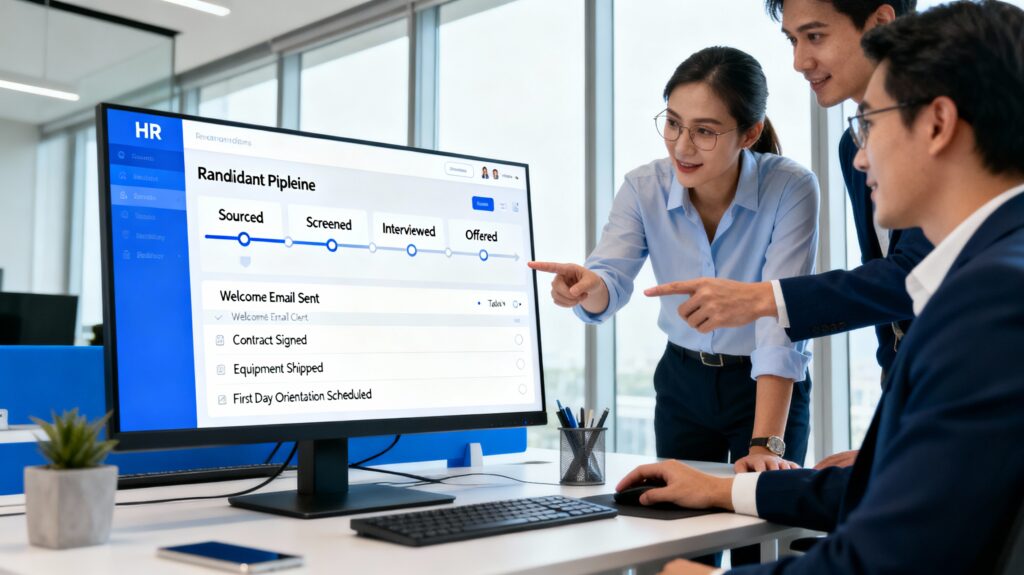
Top Features of Recruitment & Onboarding Software Every U.S. Company Should Know

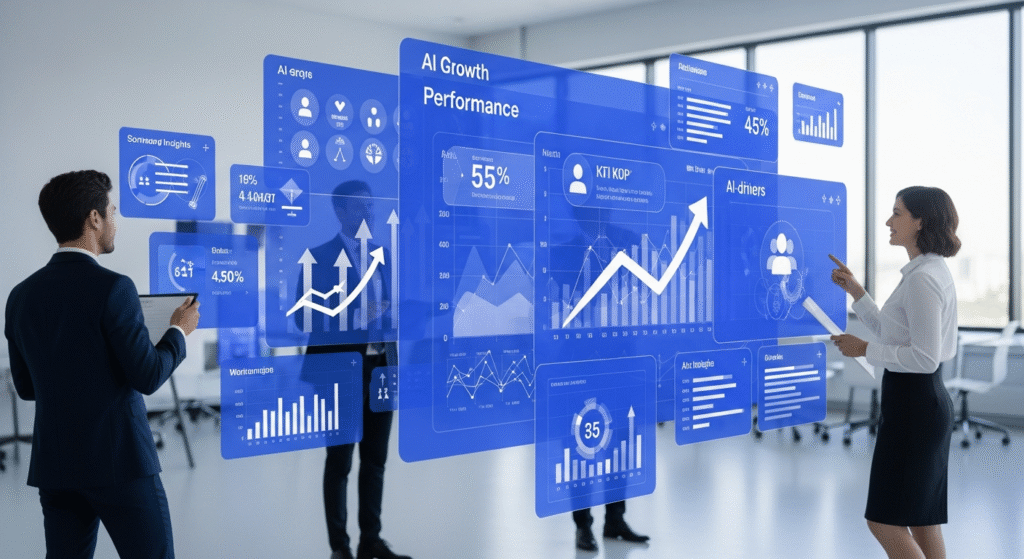
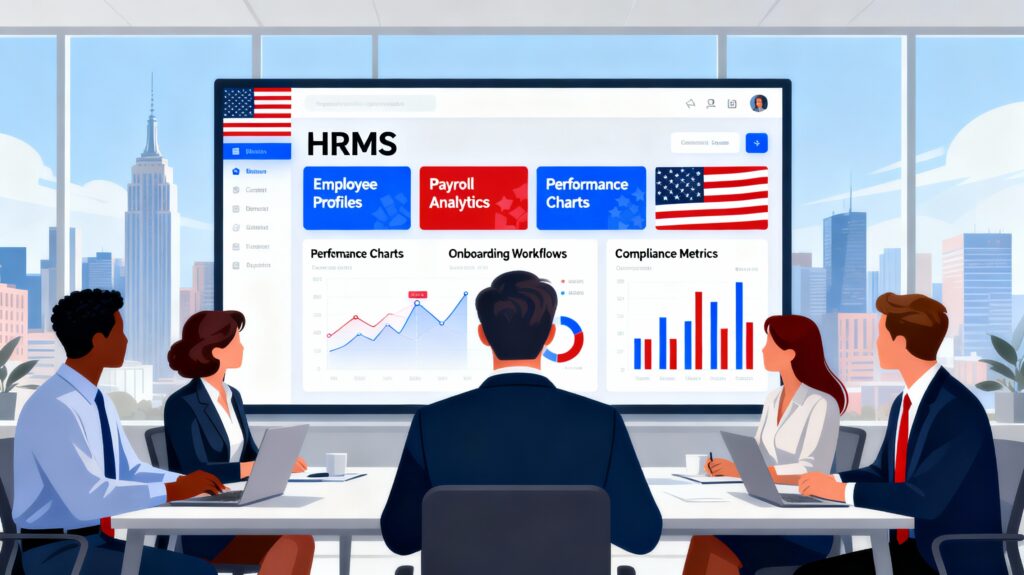
Introduction Introduction: The world of hiring has officially crossed a point of no return. Gone are the days when companies could rely on intuition, handwritten notes, scattered interview files, or long email chains to manage recruitment. Today’s talent landscape moves too fast. Candidates expect seamless digital interactions. HR teams are overwhelmed by volume and complexity. And organisations that still rely on outdated hiring workflows are watching great talent slip through their fingers. This is why Recruitment & onboarding HR software has become the backbone of modern hiring operations in the U.S. It is no longer a bonus. It is the system that determines whether companies hire with confidence or struggle with inefficiency. Whether candidates feel valued or ignored. Whether teams grow strategically or drown in manual tasks. Working with companies like Intel and Google showed me something crystal clear. The companies dominating the talent market aren’t just hiring faster. They’re hiring smarter. They’re hiring with clarity. They’re hiring with digital workflows that turn chaos into order. And all of that power comes from the right Recruitment & onboarding HR software. Datadotlabs understands this shift better than most. They’re helping organisations build hiring experiences that feel modern, human, intelligent, and deeply aligned with business goals. And as we move into the next decade of digital hiring, the companies that master recruitment technology will be the ones leading the future of work. Why Recruitment & Onboarding HR Software Matters More Than Ever Hiring has become a business survival strategy. Not a task. Not a department function. A true strategic advantage. Companies that hire well win faster. Companies that hire poorly fall behind. But the challenge is no longer just finding talent. It’s managing the entire lifecycle. It’s aligning departments. It’s organising communication. It’s building candidate relationships. It’s shaping the first impression new hires experience. This is exactly why Recruitment & onboarding HR software has exploded in demand. Large enterprises, fast-growing startups, and even small businesses now realise that manual hiring workflows simply cannot keep up with modern expectations. Candidates want clarity. HR teams want efficiency. Leaders want visibility. And onboarding must feel structured from day one so employees trust the company they just joined. Hiring used to be paperwork. Today it is entirely digital. Software is the engine behind that transformation. How Recruitment & Onboarding HR Software Reinvents the Hiring Experience Recruitment and onboarding used to feel disjointed. A candidate would finish the hiring process, only to repeat the same information once they accepted the offer. Documents were everywhere. Teams struggled with alignment. Communication broke down. New hires experienced confusion instead of clarity. Modern Recruitment & onboarding HR software changes everything. It transforms the hiring process into one continuous, connected journey where candidates feel guided instead of abandoned. As soon as someone moves from candidate to employee, the software automates the transition. Forms are generated instantly. Training modules are assigned automatically. Access permissions are granted without delay. The onboarding experience feels seamless rather than stressful. And that seamless experience makes a massive difference. When new hires feel supported on day one, they perform better. They feel more confident. They connect faster with their teams. They stay longer with the company. This is why onboarding isn’t an admin task anymore. It’s a strategic lever companies cannot afford to underestimate. Why Large Enterprises Depend on Recruitment & Onboarding HR Software The bigger the company, the more chaotic hiring becomes without the right technology. Large organisations face complexity at every level. Multiple departments. Multiple roles. Multiple locations. Multiple approval layers. And candidates who expect fast movement across all of it. Recruitment at scale demands structure. It demands precision. It demands consistency. And these qualities are exactly what Recruitment & onboarding HR software delivers. It gives enterprises the ability to manage thousands of applicants, coordinate interview rounds, customise hiring pipelines, track candidate touchpoints, maintain compliance, and standardise onboarding across every department. HR teams finally gain visibility into what’s working and what’s broken. Leaders finally see hiring as a measurable process rather than a guessing game. Without this kind of software, large companies collapse under their own weight. With it, they can operate as one synchronised recruiting engine. How Recruitment & Onboarding HR Software Elevates the Candidate Experience Candidates have options now. They’re evaluating companies just as much as companies are evaluating them. And when a candidate encounters slow communication or unclear instructions, they move on. They’re not waiting. Companies that don’t provide a smooth hiring experience lose talent faster than ever. Modern Recruitment & onboarding HR software gives companies the power to communicate clearly and consistently. Applicants receive updates automatically. They see interview schedules without confusion. They know where they stand. They feel respected. They feel valued. And they’re more likely to accept offers from companies that operate with professionalism and transparency. Candidate experience has become a competitive advantage. Companies that invest in better experiences win talent before the interview even happens. How Intelligent Automation Is Transforming HR Teams HR teams used to spend hours on repetitive tasks. Reviewing résumés. Sending follow-up emails. Scheduling interviews. Collecting onboarding documents. Updating internal systems. None of these tasks actually develops talent. They drain energy, destroy focus, and delay important decisions. This is where automation becomes the hero. Modern Recruitment & onboarding HR software automates administrative tasks so HR teams can focus on people instead of paperwork. Workflows that once took hours now take seconds. Recruiters get more time for strategy. Candidates receive faster responses. Leaders get clearer reports. And onboarding becomes a structured process rather than a chaotic scramble. Automation doesn’t replace HR. It empowers HR. It lets HR be more human by removing the workload that prevents connection. Why Data Is the New Fuel Behind Modern Talent Acquisition Data reveals the truth. It shows where candidates drop out. It shows which recruiters perform well. It shows which sourcing channels produce the best talent. It shows how long it takes to fill roles. It shows how successful onboarding programs actually are. Companies today don’t want guesswork. They want
HRMS

How to Migrate Employee Data to a New HR Management Platform Securely

Introduction How to Migrate Employee Data to a New HR Management Platform Securely Migrating HR data is a little like performing open-heart surgery on your organization — delicate, high stakes, and absolutely mission-critical. To migrate employee data to a new HR management platform securely, you need a blend of planning, protection, validation, and zero shortcuts. Here’s a clean, safe workflow that keeps your data — and your sanity — intact. 1. Start With a Full Data Backup Before you touch anything, back everything up. Export payroll records, personnel files, performance history, time-off balances, and documents. Store backups in encrypted locations with restricted access only. 2. Clean and Normalize the Data Migrating messy data only creates messy outcomes. Standardize formats, remove duplicates, update expired fields, and confirm accuracy. Many HR systems reject bad formatting — save yourself from failed imports later. 3. Encrypt Files Before Transport Whether you’re exporting spreadsheets or API-based data sets, ensure encryption in transit. Secure file-transfer protocols (SFTP), password-protected exports, and vendor-approved secure upload portals are must-haves. 4. Use Role-Based Permissions Limit who can touch sensitive data during the migration. Only authorized HR admins or IT specialists should handle uploads, mapping, and validation. The tighter the access, the smaller the risk footprint. 5. Validate Data After Import Run checks to confirm everything landed correctly — pay rates, titles, departments, time-off balances, and employment statuses. Spot mistakes early before teams start working in the new platform. 6. Retire Old System Access Securely Once the migration is complete, revoke access to the old system. Archive what’s required for compliance and delete redundant data securely to avoid duplicate storage risks. For deeper HR data governance insights, organizations like SHRM provide trusted security and compliance resources. Looking for more HR tech workflows? Explore our Small Business Tools and HR Strategy Guides.

HRMS

Top HR Software Platforms Offering Instant Demo Access: What Every U.S. Business Should Know

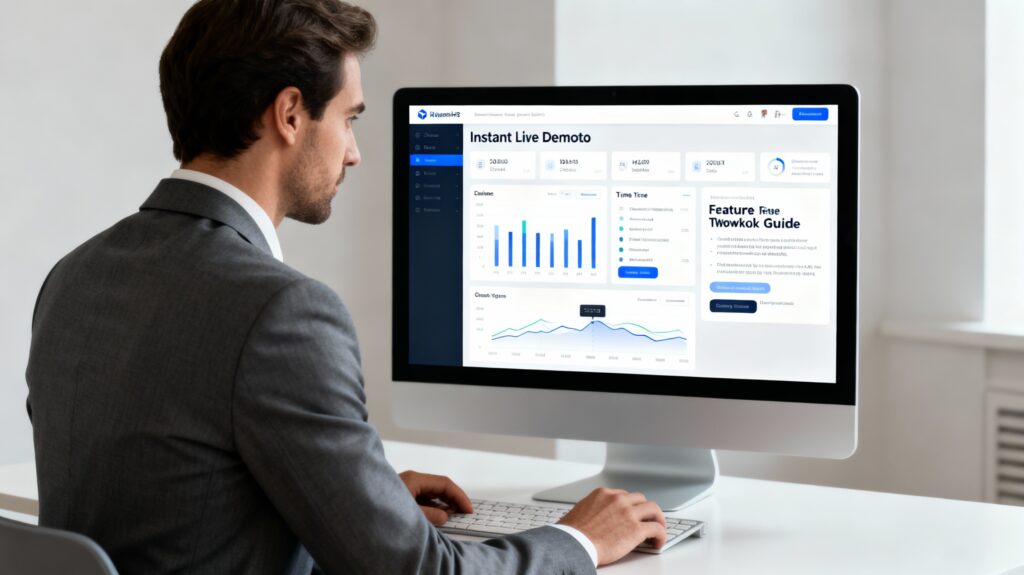
Introduction There’s a moment every growing company hits. A moment when spreadsheets stop working. A moment when manual HR tasks feel like quicksand. A moment when onboarding becomes chaotic, and performance management feels outdated. A moment when leaders realise that people operations can’t scale without technology built for speed, intelligence, and clarity. That moment is usually the beginning of the journey toward adopting modern HR Software. But here’s what’s changed in 2026. Businesses are no longer waiting through long sales cycles. They’re no longer booking demos weeks in advance. They’re no longer relying on outdated HR Software that takes months to implement. They want clarity now. They want transparency now. They want to test HR Software in real time before committing. That’s why the demand for HR Software platforms offering instant demo access has exploded across the U.S. market. Instant demo access removes the guesswork. It removes the friction. It removes the delays that once held companies back from transforming their people operations. HR leaders don’t want promises anymore. They want proof. They want experience. They want to see how HR Software behaves in real life, not in a polished pitch deck. Datadotlabs understands this shift better than most. They know HR teams are under pressure to deliver faster results with fewer resources. They know companies want efficient workflows, not bloated features. They know leaders want HR Software that feels intuitive, modern, and aligned with the rhythm of fast-growing organisations. And that’s exactly why the platforms offering instant demo access are becoming the front-runners in the HR tech revolution. Why Instant Demo Access Is Becoming a Must-Have Feature in HR Software The modern business world doesn’t move slowly anymore. Everything competes for speed. Markets shift overnight. Teams expand rapidly. Employees expect seamless digital experiences. HR leaders are expected to keep up with all of this at once. Which means HR Software can no longer take weeks or months to evaluate. Instant demo access accelerates decision-making. It gives HR teams the ability to experience features firsthand instead of relying on assumptions. It lets them validate workflows. It lets them assess usability. It lets them explore integrations and test automation before committing. This shift is happening because companies finally understand that HR Software is not a tool. HR Software is infrastructure. It defines how teams collaborate. It defines how employees grow. It defines how organisations operate internally. The sooner HR leaders can test HR Software, the sooner they can identify whether it supports their vision or slows them down. Instant demo access removes the barrier between interest and action. It helps companies make smarter, faster, more confident decisions about the HR Software they choose. The Evolution of HR Software and Why Companies Demand More Transparency There was a time when HR Software felt stiff and corporate. It felt outdated. It felt clunky. It felt like software built for administrators instead of people. HR Software used to be slow to change. But employees changed. Workplaces changed. Expectations changed. HR teams evolved. And suddenly, HR Software had to evolve with them. This evolution wasn’t optional. It was driven by the realities of the modern workforce. Hybrid work made visibility a necessity. High turnover made performance insights essential. Complex regulations made compliance tools non-negotiable. And employees demanding transparency made communication tools crucial. The new generation of HR Software is flexible. It’s intelligent. It’s built on real-time data. It focuses on user experience. It automates what used to be manual. It simplifies what used to be complicated. And it gives HR leaders the power to make decisions backed by insights, not assumptions. This is why companies want instant demo access. They want to explore HR Software that aligns with modern expectations. They want to test features before committing. They want to understand how HR Software supports everyday workflows. They want proof that the platform is built for the complexities of modern workforce management. Datadotlabs leans into this shift with clarity. Their HR Software is designed not just for ease of use but for long-term operational maturity. Why HR Software with Instant Demo Access Accelerates Digital Transformation Digital transformation has become the heartbeat of organisational success. Companies that adopt modern technology evolve faster. They outperform competitors. They innovate more confidently. But HR is often the last department to modernise because leaders underestimate the impact of HR Software on business transformation. The truth is simple. No company can digitally transform without modern HR Software. Because HR Software drives accountability. HR Software drives visibility. HR Software drives employee experience. HR Software drives performance optimisation. HR Software drives workforce planning. HR Software drives compliance. HR Software drives culture. Instant demo access accelerates digital transformation because organisations don’t have to wait to validate solutions. They can begin testing immediately. They can see bottlenecks instantly. They can identify alignment faster. They can understand the strengths and weaknesses of HR Software before ever signing a contract. The companies dominating 2026 will be the ones that adopt HR Software quickly and strategically. Instant demo access is the gateway to transformation without delay. How HR Software Creates a More Connected and Empowered Workforce Employees today don’t want corporate walls separating them from information. They want visibility into their performance. They want transparency into their growth. They want seamless onboarding. They want easy access to HR tools. They want smooth communication. They want to feel connected even in hybrid environments. HR Software solves this by creating digital ecosystems built around the employee experience. It turns HR from a department into a platform. It centralises everything employees need. It creates continuity. It eliminates friction. It removes confusion. It gives clarity. The best HR Software platforms don’t just store data. They empower people. They elevate communication. They simplify processes. They give employees autonomy. And in a world where employees are more selective than ever, empowerment becomes a competitive advantage. Datadotlabs understands the emotional and operational layers of employee engagement. Their HR Software is designed to feel human, thoughtful, and intuitive. Why Data Intelligence in HR Software Is

HRMS

Where to download user manuals for HR software with payroll integration?

Introduction Where to Download User Manuals for HR Software With Payroll Integration Whether you’re onboarding a new HR tool or trying to master payroll workflows, having the official documentation on hand is a lifesaver. Thankfully, you can download user manuals for HR software with payroll integration from several reliable sources. These manuals break down setup steps, payroll rules, automation settings, compliance features, and tips that keep your HR operations running smoothly. 1. Official Vendor Support Portals Most HR software providers — like BambooHR, Rippling, Gusto, and Zoho People — offer downloadable user manuals through dedicated support portals. You’ll usually find them under Documentation, Resources, Help Center, or Knowledge Base sections. These are always the most accurate and frequently updated versions. 2. Customer Account Dashboards Many platforms hide their full documentation behind login access. Once you sign in, look for menu items like “Product Docs,” “Implementation Guides,” or “Payroll Help.” These manuals often include advanced configuration steps for system admins. 3. Software Review Sites Marketplaces such as G2, Capterra, and TrustRadius sometimes host vendor-uploaded guides, PDFs, and onboarding documentation. While not always complete, they’re great for quick previews or side-by-side comparisons. 4. YouTube & Vendor Academy Libraries While not traditional manuals, many vendors now offer full training academies or video walkthroughs with downloadable supplementary materials. These often cover payroll-specific setups that written manuals gloss over. 5. HR Associations & Industry Resources Organizations like SHRM curate documentation links and implementation resources for HR teams evaluating software that includes payroll tools. Keep your HR tech exploration flowing with our Small Business Tools and HR Strategy Guides.

Human Resource Management Software
HRMS

Human Resource Management Software in the USA

Introduction The HR world in the United States is changing faster than ever. Workforces are more dynamic, employee expectations are higher, and companies are fighting harder to attract, engage, and retain talent. What used to be a simple function of hiring and payroll has evolved into a strategic heart of every modern organisation. And powering this shift is something bold, transformative, and absolutely essential: Human Resource Management Software. Across the USA, businesses are waking up to the reality that HR cannot remain stuck in outdated methods. Manual spreadsheets, clunky time-tracking tools, and disconnected onboarding systems just don’t cut it anymore. Employees want clarity. HR teams want efficiency. Leaders want data. And Human Resource Management Software delivers exactly that, a seamless digital ecosystem that empowers companies to operate smarter, faster, and far more human. This isn’t just a tool. It’s an evolution. A new chapter for workforce excellence in America. Why American Businesses Are Rapidly Adopting Human Resource Management Software Across the United States, a silent frustration has been building in HR teams. Too much time spent on paperwork. Too many compliance headaches. Too many outdated systems stitched together, hoping they will magically “work.” But the truth is, they don’t. That’s why Human Resource Management Software is becoming the backbone of HR transformation. Companies are looking for a single platform that can unify everything from recruiting to performance reviews to payroll. They want real-time insights instead of guesswork. They want automation instead of exhaustion. And that’s what Human Resource Management Software unlocks for them. Businesses in the USA have realised that growth is impossible when HR is trapped in administrative overload. Transformation starts when HR is empowered and that begins with technology. How Human Resource Management Software Redefines the Employee Experience Today’s workforce expects more than paychecks and job titles. They want growth. They want transparency. They want a workplace that feels modern, intelligent, and supportive. And Human Resource Management Software plays a massive role in shaping that experience. Imagine an employee’s first day at work. Instead of drowning in forms, they glide through a digital onboarding experience that feels personalised. Instead of chasing managers for updates, they access dashboards that reveal goals, progress, and feedback. Instead of feeling lost, they feel guided. Human Resource Management Software helps companies create this new era of employee experience one that feels human, intuitive, and empowering. It strengthens engagement. It inspires loyalty. It builds connection. And in a competitive American job market, that advantage is priceless. Why the USA Leads the HR Tech Revolution American companies are hungry. Competitive. Bold. Constantly reinventing themselves. This culture naturally fuels the adoption of Human Resource Management Software across startups, enterprises, and everything in between. The USA has become the global stage for HR innovation because businesses here understand the truth: people are the greatest competitive advantage. When people flourish, companies flourish. And Human Resource Management Software is the vehicle that supports that growth at scale. The tech ecosystem in the USA accelerates this movement. From Silicon Valley innovators to HR-focused SaaS leaders in Austin and New York, the country is overflowing with platforms that are rewriting the rules of HR. This environment gives American businesses the flexibility and confidence to adopt next-gen solutions faster than anywhere else in the world. The USA doesn’t follow HR trends. It defines them. How Human Resource Management Software Supercharges Organisational Performance HR teams don’t just hire people. They build the culture, infrastructure, and psychological DNA of the organisation. When HR operates with outdated systems, that energy reflects across the whole company. Slow. Messy. Unclear. Uninspired. But when HR is powered by Human Resource Management Software, everything changes. Suddenly, performance management becomes data-driven. Goal setting becomes structured. Employee growth becomes measurable. Internal communication becomes meaningful. Predictive insights replace manual observations. Human Resource Management Software gives companies the power to optimise operations with clarity instead of chaos. It transforms HR from a reactive department into a strategic force. And that transformation ripples across productivity, innovation, and growth. The companies outperforming in 2025 and beyond will be the ones transforming their HR foundation today. Why Customisation Matters in Modern Human Resource Management Software One of the biggest misconceptions about HR tools is assuming they all work the same. But every organisation in the USA has its own rhythm. Its own culture. Its own blueprint for success. Human Resource Management Software needs to reflect that uniqueness. That’s why customised platforms outperform generic ones. A tailored Human Resource Management Software solution adapts to workflows, not the other way around. It supports unique approval chains. It aligns with specialised compliance requirements. It fits the company’s growth style. And most importantly, it feels familiar and intuitive to employees. Customisation helps organisations avoid resistance. It improves adoption. It deepens engagement. And it ensures the technology grows with the company, not against it. User Experience: The Heart of Every Successful HR Transformation HR technology fails when employees feel lost. When managers feel annoyed. When interfaces feel confusing. This is why experience simple, intuitive, beautifully designed user experience is the core of successful Human Resource Management Software. When a platform feels easy, people actually use it. When navigation feels natural, productivity rises. When processes feel seamless, employees feel supported, not burdened. Human Resource Management Software succeeds when the technology enhances human performance instead of complicating it. When UX is prioritised, HR transformation becomes a movement inside the company not just an implementation project. Scalability: The Silent Superpower of Human Resource Management Software Growth reveals everything: the strengths, the flaws, the cracks in the foundation. The companies that scale successfully are the ones supported by systems that can stretch, expand, and adapt without falling apart. This is exactly why Human Resource Management Software has become a foundational investment across the USA. Scalable HR systems give businesses the confidence to grow without fearing administrative collapse. Whether scaling from 20 to 200 employees or 2,000 to 20,000, the software evolves effortlessly. It stores more data, automates more workflows, supports more teams, and integrates

HRMS

HR Software in the USA

Introduction The workplace in America is evolving at a pace that feels almost poetic. Teams are hybrid. Processes are digital. Employee expectations are higher than ever, and businesses are waking up to a truth they once ignored: people aren’t just a part of the business. They are the business. And in this new era, where talent is the lifeblood of every thriving organisation, HR Software in the USA has become the foundation companies rely on to stay competitive, compliant, and connected. For decades, HR teams in the USA were managing endless paperwork, outdated systems, and disjointed workflows that drained time and energy. But as technology matured and digital transformation became a mandatory shift, HR leaders realised they needed more than tools; they needed systems that simplify complexity, amplify efficiency, and empower their people. That’s exactly why HR Software in the USA has exploded into a multibillion-dollar movement shaping the future of workforce management. Today, HR is no longer a back-office function. It’s a strategic driver of culture, performance, and innovation. And modern HR Software in the USA is the engine behind that transformation, intelligent, intuitive, scalable, and built for a workforce that refuses to settle for outdated experiences. Why HR Software in the USA Is Becoming a Non-Negotiable Business Tool If you’ve ever walked into an HR department drowning in chaos papers stacked like mountains, emails exploding, managers checking in every ten minutes, you already know why HR Software in the USA became essential. It solves the stress that nobody talks about, but everyone feels. Across the country, companies are hitting the same wall: too many employees, too many processes, too many compliance rules, and not enough time. HR Software in the USA steps in and says, “Relax. I’ve got this.” It automates what steals HR’s energy. It organises what gets lost. It connects everything that used to live in ten different places. Most importantly, it gives HR the one thing it never had enough of: time to actually focus on people instead of paperwork. That’s why adoption is skyrocketing because American businesses have finally realised that efficiency isn’t a luxury. It’s survival. How HR Software in the USA Completely Changes the Employee Experience Let’s be honest, employees in the USA expect more today. And they should. They expect an onboarding experience that doesn’t feel like a DMV appointment. They expect feedback that doesn’t show up once a year like a surprise storm. They expect transparency about goals, progress, and growth. And they want HR processes that feel simple, not soul-draining. This is where HR Software in the USA becomes a game-changer. It turns chaotic onboarding into a guided, personal journey. It gives employees control, clarity, and confidence. It turns performance reviews from an annual anxiety attack into regular, meaningful conversations. And it gives people a digital home where everything, schedules, goals, documents, and feedback just makes sense. When HR Software in the USA becomes part of the culture, employees stop asking, “Who do I contact for this?” and start feeling empowered to handle their own path. That empowerment is priceless. And companies that deliver it see happier teams and lower turnover, two things every American business craves. Why the USA Leads the World in HR Technology Innovation If there’s one thing the USA does better than almost anyone, it’s reinvention. Reinventing how we work. Reinventing how we lead. Reinventing how we build companies. So it’s no surprise that HR Software in the USA has become the global benchmark for modern workforce management. From Silicon Valley to New York, you’ll find HR tech startups pushing boundaries like never before. Automation that thinks for you. Analytics that predict employee behaviour before HR even notices patterns. Dashboards that feel like they were designed by someone who actually understands humans. American companies embrace technology with fearless energy and that’s exactly why HR Software in the USA continues to evolve faster here than anywhere else. The rest of the world isn’t just watching. They’re learning from what’s happening in the US market. How HR Software in the USA Drives Organisational Performance People say HR is “soft,” but let’s cut the corporate fluff — HR directly impacts profit. When employees understand their goals, they perform better. When performance is measured consistently, managers lead better. When engagement rises, productivity follows. And when turnover drops, companies save massive amounts of money. This is where HR Software in the USA becomes the quiet hero behind the scenes. It brings structure to performance management. It makes development measurable. It gives leaders clarity on who’s thriving and who needs support. It turns HR, once seen as an administrative team, into a strategic powerhouse influencing sales, culture, retention, and revenue. Are the companies winning big today? They’re not simply using HR Software in the USA they’re leveraging it as a competitive edge. Customisation: The Secret Weapon Behind Powerful HR Software in the USA Here’s something most people don’t realize: no two American companies operate the same way. A hospital in Texas doesn’t function like a fintech startup in San Diego. A university in Boston doesn’t run like a retail chain in Chicago. That’s why the best HR Software in the USA isn’t rigid; it adapts. Customisation matters more than features. It lets companies build systems that reflect their culture, workflows, compliance needs, and growth plans. When HR Software in the USA fits the business instead of forcing the business to bend to it, employees adopt it faster, HR works more efficiently, and leadership gets exactly the data they need. This is where real transformation happens when software feels like it was tailor-made.   User Experience: The Reason Some HR Software Succeeds and Others Fail You can have the most feature-packed platform in the world, but if it’s confusing, overwhelming, or ugly, nobody will use it. Not employees. Not managers. Not even HR. This is why the user experience behind HR Software in the USA is a critical differentiator. When the platform feels natural, people trust it. When it feels simple,

HRMS for Data Centers
HRMS

HRMS System in the USA

Introduction There’s a shift happening inside American companies one you can feel from the moment you step into a modern workplace. HR teams aren’t buried in paperwork anymore. Employees aren’t stuck chasing updates or waiting for approvals. Leaders aren’t guessing what’s happening inside their workforce. And this transformation isn’t magic. It’s the rise of the HRMS System in the USA. Across the country, businesses realised the old tools weren’t cutting it. Spreadsheets couldn’t keep up. Manual onboarding broke under pressure. Outdated attendance systems caused more confusion than clarity. And employees wanted something better, something intuitive, fast, smart, and human. That something is the modern HRMS System in the USA. Today, HR isn’t just administrative. It’s strategic. It’s cultural. It’s the engine that shapes how people work, grow, and succeed. And the HRMS System in USA has become the backbone holding that engine together. It’s intelligent. It’s automated. It’s built to match the speed of American innovation. And most importantly, it gives HR teams and employees the experience they’ve been craving for decades. Why the HRMS System in the USA Became a Business Essential Let’s be honest the American work environment is intense. Deadlines move faster. Teams are distributed. Laws change constantly. Hiring is competitive. And every department is expected to do more with less. HR teams, especially, feel the weight of this. That’s why the HRMS System in the USA has become such a critical investment. Companies are tired of drowning in repetitive tasks. They’re tired of bottlenecks caused by outdated systems. They’re tired of having no real visibility into workforce performance. They want clarity. They want automation. They want everything in one place, not scattered across a dozen tools. The HRMS System in the USA steps in with confidence and says, “Let me handle the chaos so you can focus on your people.” This isn’t a small upgrade. It’s a fundamental shift in how American companies function. How the HRMS System in USA Enhances Employee Experience If you’ve spent even ten minutes talking to employees today, you know they aren’t looking for the old HR experience. They want simplicity. They want clarity. They want growth. They want a system that doesn’t make basic tasks feel like a chore. The HRMS System in USA transforms that experience beautifully. Imagine onboarding that feels welcoming instead of overwhelming. Imagine employees being able to apply for leave without sending ten emails. Imagine performance reviews that feel like conversations instead of confrontations. Imagine training pathways that actually help people grow instead of checking boxes. The HRMS System in USA makes all of this possible. It gives employees a digital home where everything they need payslips, goals, updates, documents, schedules is just a tap away. It breaks down the walls between employees and HR. And it empowers people to take control of their growth and responsibilities. When employees feel supported, productivity rises. Engagement increases. Loyalty strengthens. That’s the hidden superpower of the HRMS System in USA it makes people feel valued. Why the USA Leads the HRMS Revolution The United States has always been the testing ground for workplace innovation. From Silicon Valley startups redefining remote work to Fortune 500 giants investing in AI-driven HR, the country thrives on reinvention. And this culture of innovation fuels the rapid growth of the HRMS System in USA. Technology companies here don’t just create software. They create ecosystems intelligent, adaptable systems that evolve with organizations. The HRMS System in USA has benefited massively from this environment. It’s faster, smarter, more intuitive, and more human-centered than HR systems in many other parts of the world. American companies love speed. They love data. They love transforming processes that used to take days into actions that take seconds. That’s why the HRMS System in USA has become a must-have rather than a nice-to-have. Businesses here don’t wait for the future. They build it. How the HRMS System in USA Strengthens Organizational Performance Performance isn’t just about tracking KPIs anymore. It’s about alignment. It’s about clarity. It’s about giving teams the tools they need to succeed without drowning in guesswork. This is where the HRMS System in USA shines. It brings structure to the chaos. It turns performance reviews into actionable progress instead of once-a-year panic sessions. It gives managers a real-time understanding of how their teams are doing. It helps HR identify skill gaps, workload imbalances, and burnout risks long before they become real problems. And by automating repetitive tasks, the HRMS System in USA frees HR teams to focus on what truly matters people, culture, and growth. A company becomes unstoppable when its people operate with clarity and purpose. And that clarity often begins with the right HRMS System in USA. Customization: The Secret Strength of HRMS System in USA American companies are diverse. A Boston university doesn’t operate like a Silicon Valley tech startup. A Chicago retail chain doesn’t function like a Texas healthcare network. Every business has its own rhythm, its own compliance rules, its own operational heartbeat. That’s why customization is one of the biggest strengths of the HRMS System in USA. Instead of forcing companies to adapt to rigid workflows, the system adapts to them. Whether it’s custom approval chains, personalized training modules, unique attendance rules, or industry-specific compliance needs, the HRMS System in USA bends beautifully to match the organization. When software feels natural, adoption becomes effortless.When adoption becomes effortless, transformation becomes real. That’s the difference between a tool and a strategic advantage. Why User Experience Makes or Breaks HRMS System in USA This is the truth no one likes to say out loud: HR software fails not because of features but because of bad design. If a system is clunky, slow, or confusing, people simply refuse to use it. Managers avoid it. Employees ignore it. HR gets stuck doing work the software was supposed to do. That’s why user experience is everything in the HRMS System in USA. A smooth interface turns frustration into empowerment. A clean dashboard turns confusion into clarity. An

HRMS

Cloud HR System in USA

Introduction There’s a shift happening inside American businesses right now. HR teams that once felt buried in paperwork, approvals, spreadsheets, and endless email loops are suddenly operating with clarity, efficiency, and confidence. Employees who once struggled to find information are now empowered. Leaders who once made decisions in the dark now lean on real-time data. And behind all of this transformation sits a technology that’s quietly rewriting the rulebook: the Cloud HR System in USA. This shift isn’t subtle. It’s massive. It’s visible in startups scaling at lightning speed, in enterprise giants modernising their culture, in remote teams spread across states, and in hybrid workplaces trying to stay aligned. The Cloud HR System in USA has become the engine behind smoother workflows, stronger engagement, and more strategic HR operations. For decades, HR was treated like a support department, important, yes, but reactive. Today? HR is the heartbeat of business performance. And nothing empowers it more than the Cloud HR System in USA, designed to eliminate chaos, streamline processes, and support teams from onboarding to retirement. This isn’t just software. It’s a transformation in motion. Why the Cloud HR System in USA Became a Game-Changer for Modern Companies Let’s be real the HR challenges in American companies aren’t small. High turnover. Skill shortages. Compliance changes. Distributed teams. Cultural shifts. Rising employee expectations. HR teams aren’t just overwhelmed; they’re stretched thin in ways that would’ve been unthinkable ten years ago. That’s exactly why the Cloud HR System in the USA is exploding in adoption. Businesses no longer have time to manually track attendance, chase approvals, update outdated spreadsheets, or manage performance on documents that get lost every other week. HR leaders want automation they can trust. Employees want simplicity they can feel. And companies want visibility they can act on. The Cloud HR System in the USA delivers that clarity. It removes the friction that slows down operations. It frees HR from repetitive tasks. It brings consistency to processes that used to feel messy and unpredictable. And most importantly, it helps companies stay future-ready instead of constantly catching up. If efficiency was optional before, now it’s survival. And the Cloud HR System in USA is the bridge companies use to get there. How the Cloud HR System in USA Elevates the Employee Experience Every great company eventually realises the same truth: employee experience is the real competitive advantage. A motivated employee performs better. A supported employee stays longer. A connected employee builds culture. And a frustrated employee well, they leave. The Cloud HR System in the USA elevates that experience in ways old HR systems simply can’t. Onboarding becomes smoother. Instead of drowning new hires in paperwork, companies guide them through a sleek digital journey. Everything is centralised. Everything makes sense. Employees begin their first day feeling confident rather than confused. Daily tasks feel effortless. Leave requests, attendance updates, payslip access, and performance notes, employees handle them instantly through a clean interface instead of chasing down HR teams. Performance management finally becomes human. Instead of awkward once-a-year reviews, the Cloud HR System in USA encourages ongoing conversations, continuous feedback, goal alignment, and real growth paths. Employees feel seen. Employees feel valued. Employees feel guided. That emotional shift is worth more than any feature list. And it’s why the Cloud HR System in USA is becoming the backbone of modern employee experience. Why the USA Leads the World in Cloud HR System Adoption There’s something unique about the American business landscape: it evolves fast. Faster than regulations. Faster than trends. Faster than workplace cultures can adapt. And American companies have always used technology as their weapon of choice to stay ahead. This rapid pace makes the Cloud HR System in USA not just useful but necessary. From Silicon Valley to New York, from Austin to Seattle, HR tech innovators are pushing boundaries. AI-powered tools predict turnover. Automation eliminates bottlenecks. Dashboards visualise people data with stunning clarity. And companies across the country healthcare, finance, tech, and manufacturing, are adopting the Cloud HR System in the USA because it matches the speed of their ambition. The rest of the world is watching. But the USA is leading. How the Cloud HR System in USA Drives Organisational Performance Performance isn’t just about metrics. It’s about alignment, clarity, and enabling teams to reach their full potential. This is where the Cloud HR System in the USA transforms the entire employee lifecycle. It aligns employees with clear, measurable goals. It tracks performance in real time. It reveals training needs before they become obstacles. It strengthens communication between managers and teams. It reduces turnover by giving employees the structure and support they need to grow. Instead of relying on instinct, leaders gain visibility. Instead of reacting to problems, they prevent them. Instead of feeling overwhelmed, HR teams finally operate with precision. Organisations scaling fastest today rely on the Cloud HR System in USA not just to manage HR but to transform it into a competitive advantage. Customisation: Why the Cloud HR System in USA Fits Every Industry Here’s the truth: no two American businesses operate the same way. The needs of a hospital don’t match those of a construction firm. The workflows of a retail chain don’t resemble those of a digital agency. That’s why customization is the hidden power of the Cloud HR System in USA. Instead of forcing companies into rigid processes, the system adapts to each organization’s identity policies, workflows, structure, culture, compliance, and even terminology. This flexibility makes adoption smoother. It reduces confusion. It increases trust. And it ensures the system grows with the company instead of slowing it down. A Cloud HR System in USA that feels tailor-made is the one employees actually use and love. User Experience: The Defining Factor Behind a Successful Cloud HR System The biggest reason HR software fails? Poor user experience. Employees abandon confusing systems. Managers avoid clunky dashboards. HR ends up doing work manually because nobody else wants to touch the software. That’s why UX is everything

HRMS

Payroll Software in USA

Introduction Walk into any growing company in America and you will feel the same tension lurking beneath the surface: the pressure to get payroll right. Employees depend on it. HR teams stress over it. Leadership fears mistakes that could cost money, trust, and morale. And in a country where regulations shift from state to state and penalties are not forgiving, payroll is not just another task. It is a minefield. That is precisely why Payroll Software in USA has become the quiet hero behind modern business operations. It is the system that keeps the financial heartbeat of a company steady. It makes sure every employee feels valued, every rule is followed, and every number aligns with the law. Payroll Software in USA is no longer just a convenience; it is a strategic necessity for companies that want to grow without tripping over compliance issues or operational chaos. For years, payroll in America was painful: spreadsheets, calculators, manual entries, endless audits, and the constant fear of making a mistake that might snowball into an avalanche. But today, modern Payroll Software in USA gives businesses something they rarely had before: confidence. Confidence that paychecks will be accurate. Confidence that taxes will be filed correctly. Confidence that employees will never face delays or errors that crush trust. Companies across the USA, from Silicon Valley startups to manufacturing plants in Ohio, are ditching old systems and reimagining payroll with powerful technology that works smarter, faster, and cleaner. When payroll is seamless, everything else becomes easier. Why Payroll Software in USA Became a Must-Have for Every Company Payroll used to feel like an unavoidable nightmare. The process was slow, complicated, and prone to human error. But American businesses have become more fast-paced, more complex, and more distributed than ever. Remote teams are spread across multiple states. Contractors. Freelancers. Part-time staff. Multi-location operations. Every layer adds complexity. That complexity is exactly why Payroll Software in USA became essential. Businesses need a system that can calculate multi-state taxes without breaking a sweat. A system that understands compliance rules better than any human could. A system that updates automatically when laws change, because they change constantly in the USA. Payroll Software in USA did not just solve a problem. It redefined how HR works. It removed friction. It eliminated repetitive tasks. It created trust between employees and employers. Most importantly, it freed HR to focus on strategic work instead of drowning in formulas and deadlines. How Payroll Software in USA Enhances Employee Trust and Satisfaction If there is one thing employees expect without compromise, it is to be paid correctly and on time. Not early. Not late. Not almost correct. Perfect. Every single time. Payroll Software in USA delivers that perfection. Employees no longer have to worry about incorrect deductions, missing overtime, miscalculated hours, or delayed paychecks. Everything feels predictable, transparent, and reliable. And that reliability builds trust. When employees trust payroll, they trust the company. That trust affects morale, productivity, and retention. A company can deliver world-class culture and incredible perks, but if payroll is broken, none of it matters. Payroll Software in USA becomes the foundation for employee experience because it handles the most sensitive exchange between a company and its people: compensation. Why the USA Leads the Global Payroll Technology Revolution The USA is one of the most complex payroll environments in the world. Federal taxes. State taxes. Local taxes. City taxes. Industry-specific compliance rules. Benefits. Wage laws. Regulations that update without warning. If you tried to manage all of that manually, you would be buried in paperwork before lunchtime. This complexity pushed American companies to demand smarter, faster, more intuitive Payroll Software in USA. That demand fueled innovation. AI-driven calculations. Automated compliance engines. Real-time tax updates. Instant payroll previews. Seamless integrations with HR, accounting, and time-tracking systems. The USA did not just adopt payroll software. It evolved it. Payroll Software in USA today is more powerful than ever, built to handle the chaos of American payroll with precision that feels effortless. How Payroll Software in USA Improves Organizational Efficiency Payroll is not just about paying people. It is about keeping the organisation running smoothly. When payroll is broken, everything breaks: employee satisfaction, HR productivity, financial reporting, and leadership decision-making. Payroll Software in USA strengthens the entire company because it brings accuracy, eliminates redundancy, prevents delays, improves financial forecasting, and streamlines HR operations. When HR is not spending dozens of hours per month fixing payroll errors, they can finally focus on projects that push the company forward. Payroll Software in USA becomes a growth enabler, not just a system. Compliance Made Easy: The Real Superpower of Payroll Software in USA Compliance keeps HR leaders awake at night. America’s regulatory environment is massive, detailed, and unforgiving. One small mistake can lead to fines or audits. Payroll Software in USA becomes a lifesaver. It tracks tax changes automatically. It updates compliance rules instantly. It calculates wages based on federal, state, and local laws. It generates detailed audit-ready reports. It reduces compliance risks dramatically. No more panic during tax season. No more fear of missed updates. Payroll Software in USA acts as a powerful compliance shield.   Customisation: Why Payroll Software in USA Fits Every Industry American industries are incredibly diverse, and each has unique payroll needs. Hourly pay, salaried structures, tips, bonuses, union rules, shift differentials, contractor payments, and more. Payroll Software in USA adapts to all of it. Whether payroll is weekly or monthly, whether employees are gig workers or full-timers, whether a company operates in one state or thirty, the system moulds to the organisation instead of forcing rigid workflows. This flexibility makes Payroll Software in USA universal and scalable. User Experience: The Reason Payroll Software in USA Drives High Adoption People avoid software that frustrates them. Payroll Software in USA stands out because it is clean, simple, fast, and intuitive. Employees can check their payslips instantly. HR can approve payroll batches quickly. Finance teams can export reports without confusion. When software feels natural,

HRMS

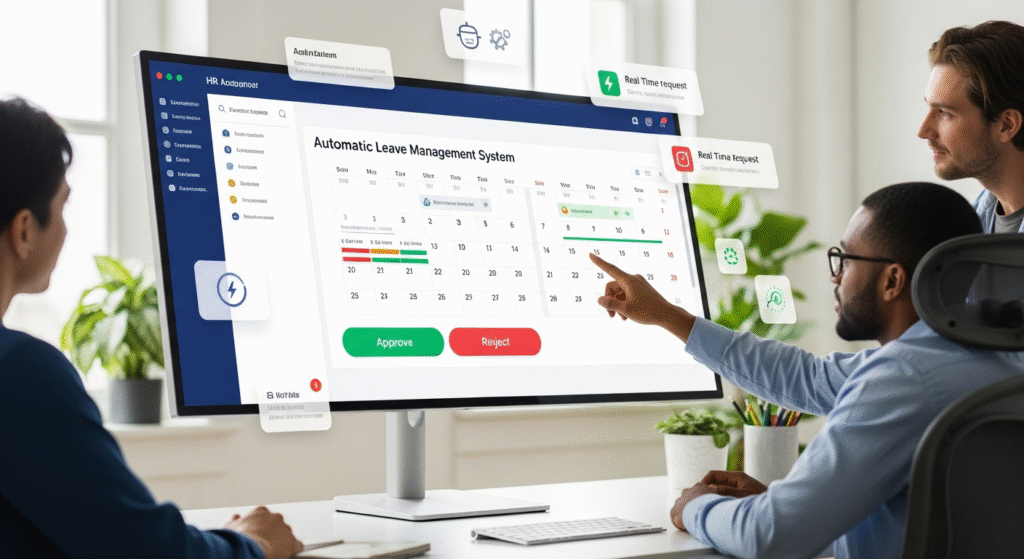
Streamline Employee Absences with an Automated Leave Management System

Introduction Streamline Employee Absences with an Automated Leave Management System If you’ve ever worked inside an HR team or even just tried to apply for a day off in a traditional workplace, you already know how messy leave tracking can get. Someone forgets to update a spreadsheet. Someone else adds a half-day leave on the wrong date. Another employee sends a leave request through chat instead of email. A manager loses track of who’s already approved for time off. Before long, no one knows who’s available, who’s out, and what the real attendance numbers look like for the week. It’s one of those problems that stays invisible until it becomes impossible to ignore. And for companies today, especially hybrid and distributed teams, leave chaos is more than an HR inconvenience. It disrupts projects. It creates confusion. It leads to employee frustration. And worst of all, it eats into productivity in ways that most organisations underestimate. That’s exactly why more businesses are shifting to an automated leave management system. They’re not doing it because it’s trendy. They’re doing it because the old way simply cannot keep up with the pace, complexity, and flexibility of modern work. If your employee absences still rely on manual approvals, email follow-ups, or spreadsheets that break at the worst possible time, you’re carrying a problem that has an easy, scalable solution. A leave management system isn’t just a tool it’s a structure. A workflow. A set of rules that run reliably in the background so people can focus on real work instead of chasing approvals or fixing old errors. In a workplace culture where clarity and communication matter more than ever, automation becomes a core part of employee experience. And the companies embracing it are already moving faster. The Hidden Chaos in Manual Leave Processes One of the things Gina Trapani often highlighted is that clutter creates friction. In the context of leave tracking, this friction spreads quickly. It starts silently like a forgotten update on a team calendar and eventually snowballs into project delays and misalignment. Miscommunication creeps in when employees use different channels to request leave or when managers forget to pass on updates. HR teams get stuck in an endless cycle of clarifying who was out, when they were out, and whether that leave was approved. And when multiple people take the same week off without proper coordination, deadlines begin to fall apart. Leave confusion isn’t a small administrative problem. It has real consequences for workflows and team dynamics. And most of the chaos comes from systems that depend on people remembering things perfectly. But people are not perfect, and manual tracking makes those imperfections more visible. Why an Automated Leave Management System Matters Modern workplaces operate across time zones, flexible schedules, and hybrid models. Employees expect stability, clarity, and fairness. Managers expect visibility. HR expects accuracy. None of these expectations can be met consistently with manual methods. An automated leave management system offers the structure needed to maintain clarity at scale. It centralises requests, approvals, balances, attendance records, and team calendars. It removes unnecessary communication loops and prevents avoidable errors. It gives employees autonomy without giving up control, and it gives HR teams room to breathe. When everything related to leave exists in one place, organisational communication becomes cleaner and more reliable. The shift may seem small, but the impact is enormous. Clarity That Reduces Stress for Everyone One of the biggest benefits of using a leave management system is clarity. Employees can instantly view their leave balance, upcoming time off, previous leave history, approval status, and team availability without asking anyone. This eliminates stress and prevents misunderstandings. Managers can see who is available, who is scheduled to be out, and how upcoming absences might affect ongoing projects. HR teams avoid answering repetitive questions because everything is visible in the system. Automation That Handles What People Shouldn’t A leave management system automates the repetitive, error-prone tasks that humans should not be responsible for manually. Leave balances get updated instantly. Attendance logs sync automatically. Managers receive notifications immediately. Policies are enforced accurately. Overlaps are flagged before they cause problems. Historical requests remain accessible. This allows HR teams to focus on more strategic work instead of fixing mistakes and managing follow-ups. Automation does not replace HR; it enhances it. Making Remote Work More Transparent In remote and hybrid environments, transparency becomes difficult. When people are not sitting next to each other, confusion around who is working and who is off becomes common. A leave management system solves this through one clear view of availability. Remote teams collaborate better when they understand each other’s schedules. Managers can plan more accurately. HR maintains clean attendance records without chasing information through multiple channels. Reducing Miscommunication and Workplace Conflict Miscommunication around leave is one of the most common causes of tension in teams. People make assumptions. Managers forget approvals. HR gets pulled into disputes long after they should have been avoided. An automated leave management system removes this friction by logging every request and approval with clear timestamps. Everyone sees the same information. There is no space for misunderstandings. Empowering HR with Reliable Leave Data HR teams thrive on accurate data. A leave management system becomes the trusted source of truth. It provides insights into absenteeism, workload distribution, burnout signals, policy compliance, and workforce trends. These insights help HR shift from reactive problem-solving to proactive planning. Policy Compliance Without Micromanagement Leave policies are essential for fairness, but enforcing them manually can feel restrictive. A leave management system applies policies automatically. Employees experience predictable, transparent rules instead of subjective decisions. HR no longer plays the role of enforcer. Preventing Overlaps and Maintaining Workflows Overlapping leave requests can disrupt entire projects. A leave management system identifies clashes early so managers can adjust schedules before issues escalate. Projects stay on track because planning becomes proactive instead of last-minute. Giving Employees More Control and Autonomy Employees value tools that allow them to manage their own tasks. A leave management system gives

Scroll to Top