HRMS

Explore HRMS software solutions for payroll, attendance, compliance, employee management, and workforce automation.

HRMS for Advertising Agencies
HRMS

EHRMSNext Employee Self-Service Portal

EHRMSNext Employee Self-Service Portal An employee self-service (ESS) portal is a digital platform that allows employees to access personal information, apply for leave, view payslips, submit HR requests, and track approvals without direct HR intervention. EHRMSNext Employee Self-Service Portal explains how organizations empower employees with self-service access to HR information while reducing administrative workload and improving transparency across HR processes. Who This Is For Employees seeking easy access to HR information and requests HR teams reducing manual queries and administrative tasks Managers approving employee requests efficiently Summary: EHRMSNext’s employee self-service portal improves transparency, speeds up HR processes, and reduces dependency on HR teams. Common Challenges Without Employee Self-Service High volume of routine HR queries Delayed approvals for leave and requests Lack of visibility into employee information Manual document sharing and record keeping Poor employee experience How EHRMSNext Employee Self-Service Helps Employees can view payslips, tax documents, and personal details anytime Self-service leave, attendance, and HR requests Real-time status tracking of approvals Centralized access to HR policies and documents Mobile-friendly access for distributed teams Key Outcomes for Organizations Reduced HR administrative workload Faster request turnaround times Improved employee satisfaction and engagement Greater transparency and trust Implementation Approach Configuration of employee self-service features Role-based access setup for employees and managers Integration with payroll, attendance, and HR workflows Employee onboarding and adoption training FAQs What is an employee self-service portal? An employee self-service portal allows employees to manage HR-related tasks and access information without contacting HR. What can employees do using an ESS portal? Employees can apply for leave, view payslips, update personal details, and track HR requests. Does employee self-service reduce HR workload? Yes. ESS portals significantly reduce routine HR queries and manual administrative work. Is employee self-service secure? Yes. EHRMSNext uses role-based access controls to ensure employee data security. Who benefits most from employee self-service portals? Employees, HR teams, and managers all benefit from faster, transparent HR processes.

HRMS

EHRMSNext Multi-Country Payroll

EHRMSNext Multi-country Payroll Multi-country payroll is the process of managing employee salaries, taxes, statutory deductions, and compliance across multiple countries while adhering to each country’s local labor and tax regulations. EHRMSNext Multi-country Payroll explains how organizations with international teams can automate payroll processing, ensure country-specific compliance, and gain centralized visibility across global payroll operations. Who This Is For HR and payroll teams managing employees across multiple countries Finance teams handling cross-border payroll costs Compliance teams responsible for local statutory adherence Summary: EHRMSNext simplifies multi-country payroll by automating country-specific rules while maintaining centralized payroll control and reporting. Common Multi-country Payroll Challenges Different tax laws and statutory requirements across countries Manual payroll processing leading to errors Currency conversion and payout complexities Compliance risks and audit gaps Limited visibility into global payroll costs How EHRMSNext Handles Multi-country Payroll Applies country-specific payroll rules and tax calculations Supports multiple currencies and localized payslips Automates statutory deductions and filings Centralizes payroll processing across regions Provides audit-ready payroll records per country Key Outcomes for Organizations Accurate and compliant payroll across countries Reduced payroll errors and compliance risk Improved visibility into global payroll costs Standardized payroll operations with local flexibility Implementation Approach Assessment of country-specific payroll requirements Configuration of local tax and statutory rules Secure migration of employee and payroll data Training and phased rollout by country FAQs What is multi-country payroll? Multi-country payroll is the management of employee salaries, taxes, and compliance across multiple countries using localized payroll rules. How does EHRMSNext support country-specific compliance? EHRMSNext applies local statutory rules, tax calculations, and compliance validations for each supported country. Can payroll be processed in multiple currencies? Yes. EHRMSNext supports multi-currency payroll processing and localized payouts. Is multi-country payroll suitable for global teams? Yes. It is designed for organizations employing teams across different countries and regions. Who should use multi-country payroll software? Organizations with international employees or cross-border operations benefit most from multi-country payroll software.

hrms for consulting firms
HRMS

EHRMSNext HR Compliance Engine

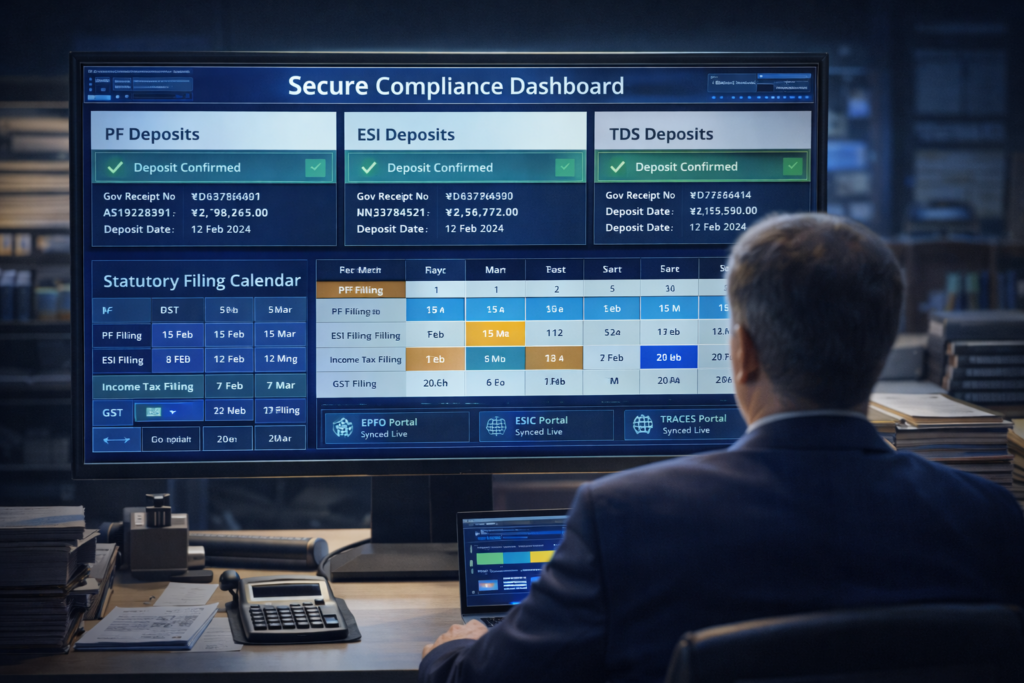
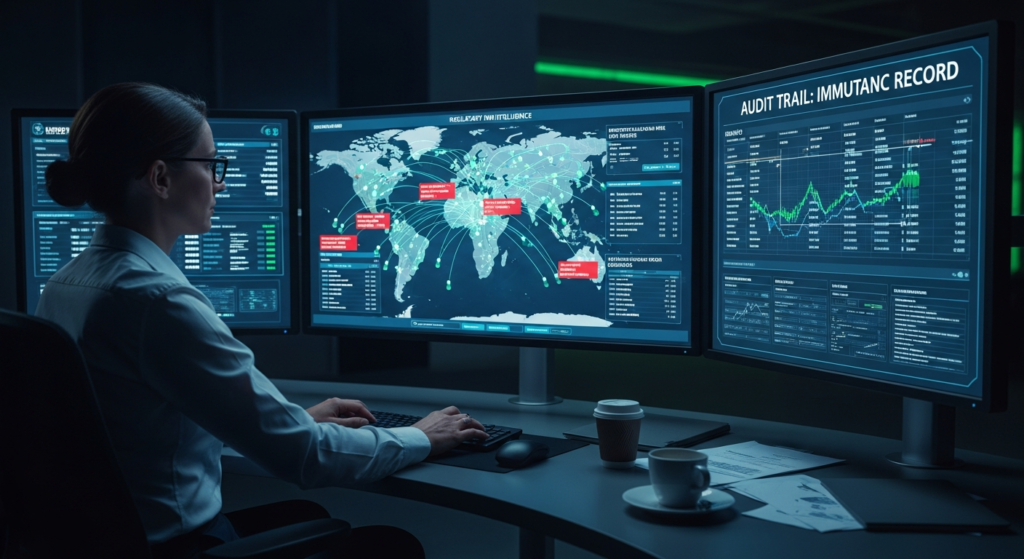
EHRMSNext HR Compliance Engine An HR compliance engine is a system that automates the enforcement of labor laws, statutory regulations, and internal HR policies to reduce compliance risk, prevent violations, and maintain audit-ready records. EHRMSNext HR Compliance Engine explains how organizations can automate HR compliance, apply statutory rules consistently, and reduce legal and regulatory risks across payroll, attendance, and employee management. Who This Is For HR teams responsible for statutory and labor law compliance Payroll and finance teams managing regulated processes Compliance and audit teams monitoring HR risks Summary: EHRMSNext’s HR compliance engine automates statutory enforcement, reduces manual errors, and provides audit-ready compliance visibility. Common HR Compliance Challenges Frequent changes in labor laws and statutory rules Manual compliance tracking and documentation Risk of penalties due to missed filings or errors Inconsistent policy enforcement across teams Lack of audit-ready compliance records How EHRMSNext HR Compliance Engine Works Automatically applies statutory labor and payroll rules Validates HR and payroll data against compliance requirements Maintains detailed, audit-ready compliance logs Flags exceptions and potential compliance violations Supports location-wise and policy-based compliance rules Key Outcomes for Organizations Reduced compliance and legal risk Consistent enforcement of HR policies Improved audit readiness and reporting Lower manual compliance workload Implementation Approach Assessment of applicable labor laws and internal policies Configuration of statutory and compliance rules Integration with payroll, attendance, and HR workflows Testing, training, and phased rollout FAQs What is an HR compliance engine? An HR compliance engine automates the enforcement of labor laws, statutory rules, and internal HR policies. Why is HR compliance automation important? It reduces compliance risk, prevents violations, and ensures consistent policy enforcement. Does the compliance engine support statutory payroll rules? Yes. EHRMSNext applies statutory payroll and labor regulations automatically. Can HR compliance rules vary by location? Yes. Compliance rules can be configured based on location, region, or business unit. Who should use an HR compliance engine? Organizations subject to labor laws and statutory regulations benefit most from HR compliance automation.

HRMS

EHRMSNext Mobile HR App

EHRMSNext Mobile HR App A mobile HR app is a smartphone application that allows employees and managers to access HR services such as attendance, leave requests, payslips, approvals, and HR information anytime and anywhere. EHRMSNext Mobile HR App explains how organizations can extend HR access beyond the office by enabling employees and managers to manage HR tasks on the go through a secure mobile application. Who This Is For Employees needing anytime, anywhere access to HR services Managers approving requests while on the move HR teams supporting remote and deskless workforces Summary: The EHRMSNext mobile HR app improves accessibility, responsiveness, and employee experience by bringing HR services directly to mobile devices. Common Challenges Without a Mobile HR App Delayed approvals due to desktop dependency Limited HR access for remote or field employees High HR query volumes for routine requests Poor employee experience and engagement Lack of real-time workforce updates How the EHRMSNext Mobile HR App Helps Employees can mark attendance and apply for leave from mobile devices Managers can approve requests anytime, anywhere Payslips, tax documents, and HR policies are accessible on mobile Real-time notifications for HR updates and approvals Secure role-based access to HR information Key Outcomes for Organizations Faster HR request turnaround times Improved employee engagement and satisfaction Reduced dependency on HR teams for routine tasks Better support for remote and mobile workforces Implementation Approach Mobile app configuration and access setup Role-based permissions for employees and managers Integration with HR, payroll, and attendance modules User onboarding and adoption training FAQs What is a mobile HR app? A mobile HR app allows employees and managers to access HR services such as attendance, leave, payslips, and approvals through a smartphone. What can employees do using the EHRMSNext mobile HR app? Employees can mark attendance, apply for leave, view payslips, and access HR documents from their mobile devices. Can managers approve requests using a mobile HR app? Yes. Managers can review and approve leave and HR requests directly from the mobile app. Is the EHRMSNext mobile HR app secure? Yes. The app uses secure authentication and role-based access controls to protect employee data. Who benefits most from a mobile HR app? Remote employees, field teams, managers, and HR teams all benefit from mobile HR access.

HRMS

EHRMSNext HRMS for SMBs

EHRMSNext HRMS for SMBs HRMS for SMBs is a human resource management system designed to help small and medium businesses automate HR operations such as payroll, attendance, compliance, and employee management with minimal cost and administrative effort. EHRMSNext HRMS for SMBs explains how small and medium businesses can streamline HR processes, reduce compliance risk, and support growth using a centralized and easy-to-use HRMS platform. Who This Is For Small and medium business owners managing growing teams HR managers handling multiple HR responsibilities Finance teams overseeing payroll and compliance Summary: EHRMSNext helps SMBs automate HR operations, reduce manual work, and stay compliant while scaling their workforce. Common HR Challenges for SMBs Manual payroll and attendance tracking Limited HR resources and small teams Compliance risks due to changing labor laws Scattered employee records and documents Lack of visibility into workforce data How EHRMSNext Helps SMBs Automates payroll, attendance, and leave management Centralizes employee records and HR documentation Applies statutory compliance rules automatically Provides self-service access for employees and managers Offers dashboards and reports for workforce visibility Key Outcomes for Small and Medium Businesses Reduced HR administrative workload Accurate and compliant payroll processing Improved employee experience and transparency Scalable HR processes that support business growth Implementation Approach Assessment of current HR and payroll processes Configuration of HRMS modules based on business needs Migration of employee and payroll data Training and phased rollout for teams FAQs What is HRMS for SMBs? HRMS for SMBs is software that helps small and medium businesses manage HR, payroll, attendance, and compliance efficiently. Is HRMS affordable for small businesses? Yes. HRMS platforms like EHRMSNext are designed to be cost-effective and scalable for SMBs. Can HRMS help SMBs stay compliant? Yes. HRMS automates statutory compliance and helps SMBs reduce the risk of penalties. Does HRMS reduce HR workload for small teams? Yes. Automation significantly reduces manual HR tasks and administrative effort. Who should use HRMS in an SMB? Business owners, HR managers, and finance teams in small and medium businesses benefit from HRMS.

HRMS

EHRMSNext HRMS for Enterprises

EHRMSNext HRMS for Enterprises HRMS for enterprises is a scalable human resource management system designed to manage complex HR, payroll, compliance, and workforce operations across large, multi-location organizations with advanced controls and governance. EHRMSNext HRMS for Enterprises explains how large organizations can centralize HR operations, automate complex workflows, and maintain compliance across regions, entities, and large employee populations. Who This Is For Large enterprises managing multi-location or multi-entity workforces HR leaders overseeing complex policies and approvals IT, payroll, and compliance teams supporting enterprise-scale operations Summary: EHRMSNext enables enterprises to standardize HR operations while supporting scale, governance, and region-specific compliance. Common HR Challenges in Enterprises Complex approval workflows and policy var

HRMS

EHRMSNext HRMS for Manufacturing

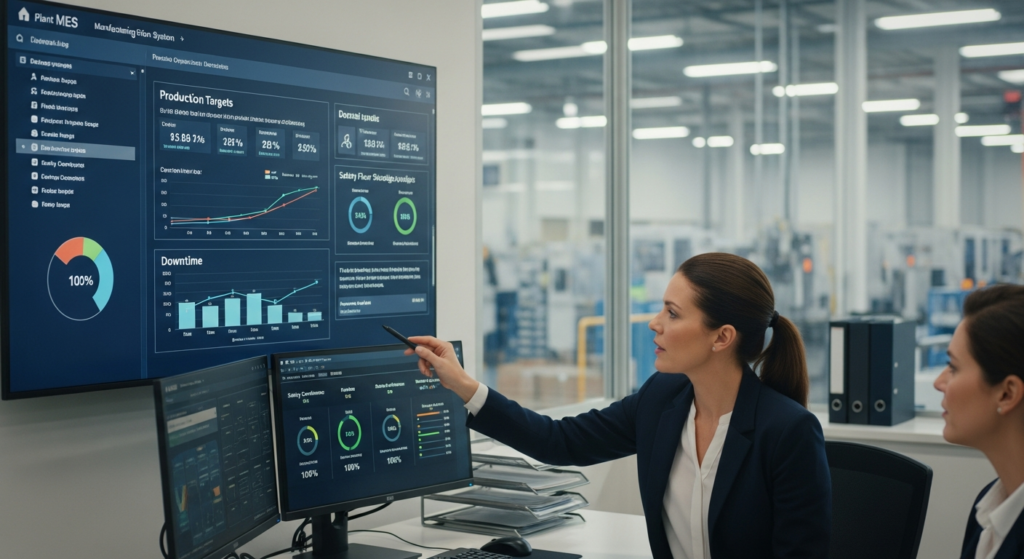
EHRMSNext HRMS for Manufacturing HRMS for manufacturing is a workforce management system designed to manage shift-based labor, shop-floor attendance, payroll, and statutory compliance in factories and manufacturing plants. EHRMSNext HRMS for Manufacturing explains how manufacturing organizations can manage complex, shift-driven workforces, ensure labor law compliance, and improve workforce visibility across plants and production units. Who This Is For Manufacturing companies with shift-based or rotational workforces Plant HR and operations managers handling shop-floor employees Compliance and payroll teams managing factory labor laws Summary: EHRMSNext helps manufacturing companies automate attendance, manage shifts, ensure labor compliance, and gain real-time visibility into factory workforce operations. Common HR Challenges in Manufacturing Managing multiple shifts and rotational schedules Accurate attendance tracking for shop-floor workers Overtime control and wage calculation complexity Compliance with factory and labor regulations Limited real-time visibility into workforce availability How EHRMSNext Supports Manufacturing HR Operations Manages shift-based and rotational workforce scheduling Tracks attendance for shop-floor, contract, and permanent workers Automates payroll and overtime calculations Applies statutory labor and factory compliance rules Provides dashboards for workforce and productivity visibility Key Outcomes for Manufacturing Organizations Improved workforce productivity and coverage Accurate payroll and reduced overtime leakage Stronger labor law compliance and audit readiness Better visibility into plant-level workforce data Implementation Approach Assessment of manufacturing workforce structure and shifts Configuration of shift rules and labor compliance policies Integration with attendance, payroll, and compliance modules Phased rollout across plants and production units FAQs What is HRMS for manufacturing? HRMS for manufacturing is software that helps factories manage shift-based employees, attendance, payroll, and labor compliance efficiently. Can HRMS manage shift and rotational workforces? Yes. EHRMSNext supports multiple shifts, rotations, and plant-level scheduling. Does HRMS support factory labor law compliance? Yes. The system applies statutory labor and factory compliance rules automatically. Can HRMS track shop-floor attendance? Yes. EHRMSNext tracks attendance for shop-floor, contract, and permanent workers. Who should use HRMS in manufacturing? Manufacturing companies with shift-based operations and compliance requirements benefit most from HRMS.

HRMS

EHRMSNext HRMS for Healthcare

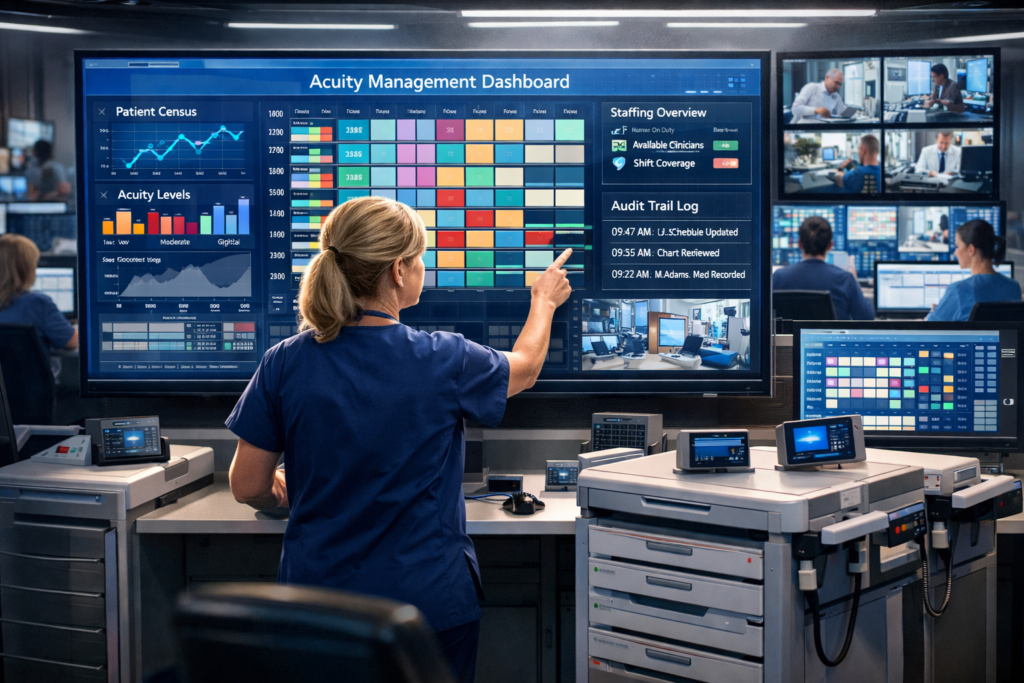
EHRMSNext HRMS for Healthcare HRMS for healthcare is a workforce management system designed to manage shift-based medical staff, credential tracking, payroll, and labor compliance across hospitals, clinics, and healthcare organizations. EHRMSNext HRMS for Healthcare explains how healthcare organizations can manage complex staffing models, ensure regulatory compliance, and maintain uninterrupted patient-care operations through centralized HR automation. Who This Is For Hospitals, clinics, and healthcare service providers HR teams managing clinical and non-clinical staff Operations and compliance teams handling regulated environments Summary: EHRMSNext helps healthcare organizations manage 24×7 staffing, ensure labor compliance, and gain real-time visibility into workforce availability. Common HR Challenges in Healthcare Managing rotating and 24×7 shift schedules Tracking credentials, certifications, and licenses Ensuring compliance with healthcare labor regulations Accurate payroll for diverse roles and shift patterns Limited visibility into staff availability and coverage How EHRMSNext Supports Healthcare HR Operations Manages complex shift schedules for clinical and support staff Tracks attendance and overtime for round-the-clock operations Automates payroll for healthcare-specific pay structures Supports compliance with labor and statutory regulations Provides dashboards for workforce planning and coverage Key Outcomes for Healthcare Organizations Improved staff coverage and workforce reliability Reduced compliance risk and audit issues Accurate payroll and overtime calculations Better workforce visibility across departments Implementation Approach Assessment of healthcare workforce structure and shifts Configuration of compliance rules and scheduling policies Integration with payroll, attendance, and compliance modules Phased rollout across hospitals or care units FAQs What is HRMS for healthcare? HRMS for healthcare is software that helps hospitals and healthcare organizations manage staff scheduling, payroll, compliance, and workforce data. Can HRMS manage hospital shift schedules? Yes. EHRMSNext supports rotating, night, and 24×7 healthcare shifts. Does HRMS support healthcare labor compliance? Yes. The system applies statutory labor rules relevant to healthcare organizations. Can HRMS manage different healthcare roles? Yes. It supports clinical, administrative, and support staff with role-based workflows. Who should use HRMS in healthcare? Hospitals, clinics, diagnostic centers, and healthcare providers benefit most from HRMS.

HRMS

EHRMSNext HRMS for Retail

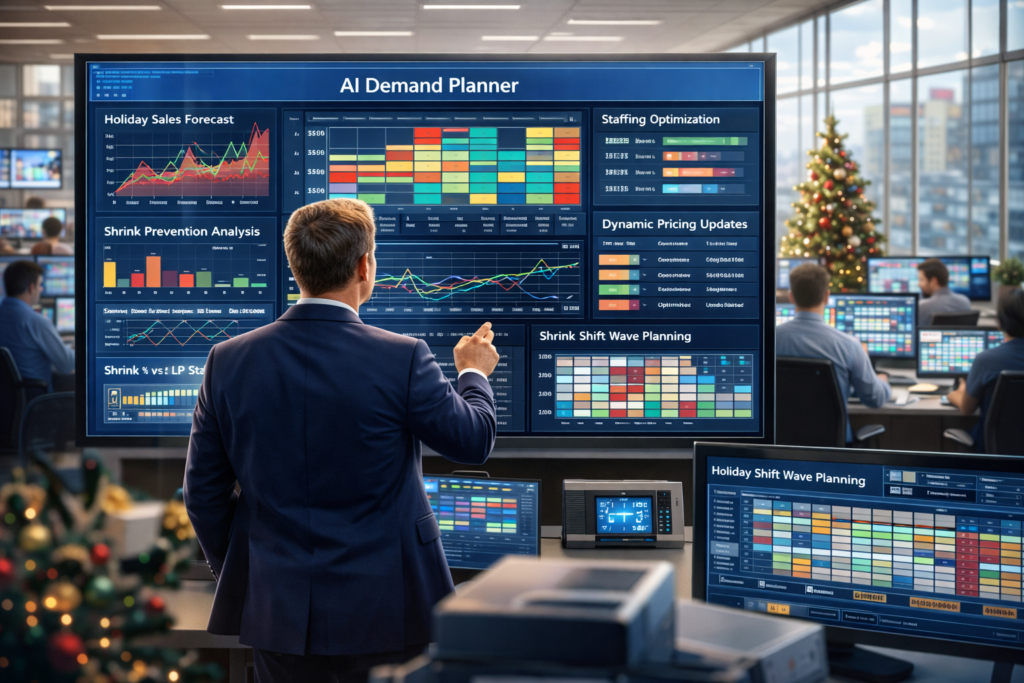
EHRMSNext HRMS for Retail HRMS for retail is a workforce management system designed to manage shift-based frontline staff, attendance, payroll, and labor compliance across multiple retail stores and locations. EHRMSNext HRMS for Retail explains how retail organizations can manage high-volume frontline workforces, control labor costs, and ensure consistent HR operations across stores using centralized HR automation. Who This Is For Retail chains managing multiple stores and locations HR and operations teams overseeing frontline staff Store managers handling daily attendance and scheduling Summary: EHRMSNext helps retail businesses manage shift-based staff, automate payroll, and gain real-time visibility into store-level workforce operations. Common HR Challenges in Retail Managing rotating and peak-hour shift schedules High employee turnover and onboarding volume Accurate attendance tracking across stores Payroll complexity for hourly and part-time staff Compliance with retail labor regulations How EHRMSNext Supports Retail HR Operations Manages shift-based scheduling for frontline retail staff Tracks attendance across multiple store locations Automates payroll for hourly, part-time, and full-time employees Supports statutory labor compliance and audit readiness Provides dashboards for store-wise workforce visibility Key Outcomes for Retail Organizations Improved store staffing and workforce coverage Reduced payroll errors and overtime leakage Better compliance with retail labor laws Enhanced visibility into workforce costs and performance Implementation Approach Assessment of retail workforce structure and shift patterns Configuration of scheduling, payroll, and compliance rules Integration with attendance and payroll modules Phased rollout across retail stores and regions FAQs What is HRMS for retail? HRMS for retail is software that helps retail businesses manage frontline staff scheduling, attendance, payroll, and labor compliance. Can HRMS manage retail shift schedules? Yes. EHRMSNext supports rotating, peak-hour, and store-specific shift schedules. Is HRMS suitable for hourly retail workers? Yes. It is designed to manage hourly, part-time, and contract retail employees. Does HRMS support multi-store retail operations? Yes. EHRMSNext centralizes HR operations across multiple retail locations. Who should use HRMS in retail? Retail chains, supermarkets, and multi-store businesses benefit most from HRMS.

HRMS for Accountancy Firms
HRMS

EHRMSNext HRMS for Logistics

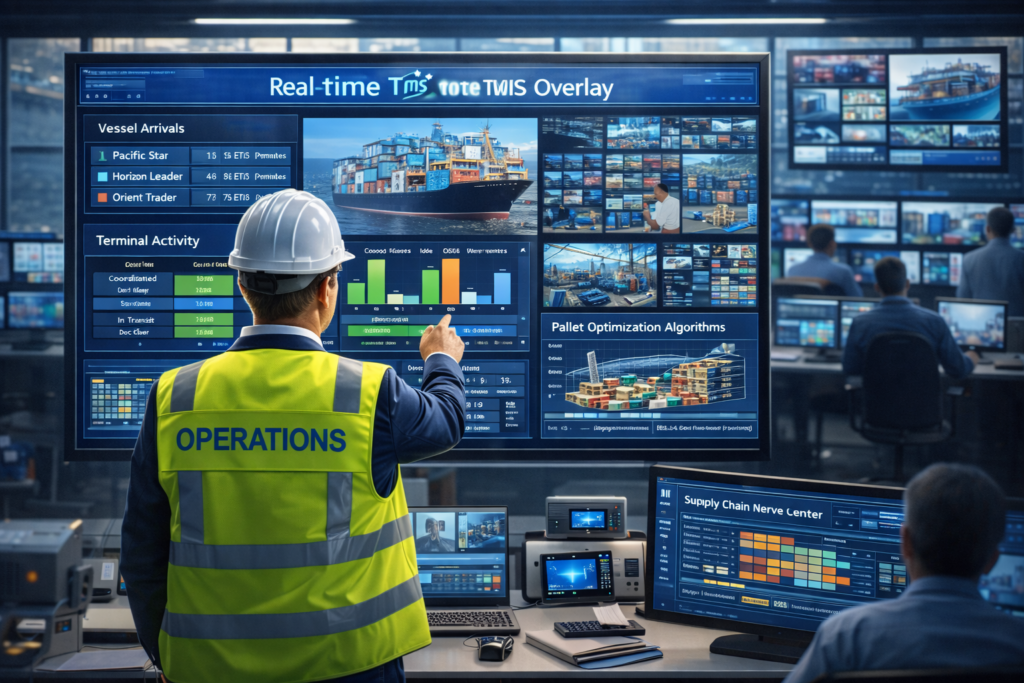
EHRMSNext HRMS for Logistics HRMS for logistics is a workforce management system designed to manage shift-based, warehouse, and field employees, automate attendance and payroll, and ensure labor compliance across logistics and supply chain operations. EHRMSNext HRMS for Logistics explains how logistics companies can manage distributed workforces, night shifts, and operational complexity while maintaining accurate payroll and regulatory compliance. Who This Is For Logistics and supply chain companies with field and warehouse staff HR and operations teams managing shift-based logistics workforces Payroll and compliance teams handling hourly and contract workers Summary: EHRMSNext helps logistics businesses manage shifts, automate attendance and payroll, and gain real-time visibility into workforce availability across locations. Common HR Challenges in Logistics Managing night shifts and rotating schedules Tracking attendance for field and warehouse employees Payroll complexity for hourly, contract, and gig workers Compliance with labor and safety regulations Limited real-time workforce visibility How EHRMSNext Supports Logistics HR Operations Manages shift-based scheduling for logistics and warehouse staff Tracks attendance across depots, warehouses, and field locations Automates payroll for hourly, contract, and temporary workers Supports statutory labor compliance and audit readiness Provides dashboards for workforce availability and utilization Key Outcomes for Logistics Organizations Improved workforce coverage and operational continuity Accurate payroll and reduced overtime leakage Better compliance with labor and safety regulations Enhanced visibility into workforce costs and performance Implementation Approach Assessment of logistics workforce structure and shift patterns Configuration of scheduling, payroll, and compliance rules Integration with attendance and payroll modules Phased rollout across logistics hubs and regions FAQs What is HRMS for logistics? HRMS for logistics is software that helps logistics companies manage workforce scheduling, attendance, payroll, and labor compliance. Can HRMS manage logistics shift schedules? Yes. EHRMSNext supports night shifts, rotating schedules, and location-based logistics operations. Is HRMS suitable for warehouse and field staff? Yes. It is designed to manage warehouse, delivery, and field logistics employees. Does HRMS support hourly and contract logistics workers? Yes. EHRMSNext automates payroll and attendance for hourly, contract, and temporary staff. Who should use HRMS in logistics? Logistics companies, transport providers, and supply chain organizations benefit most from HRMS.

Scroll to Top