
HRMS Definitions & Core HR Systems

This category covers foundational HR and HR technology definitions. It explains core systems, terminology, and concepts that form the base of modern HR operations, helping readers clearly understand HRMS and related systems before evaluating tools or platforms.

HRMS for HR Departments
HRMS Definitions & Core HR Systems

What Is HR Compliance Automation?

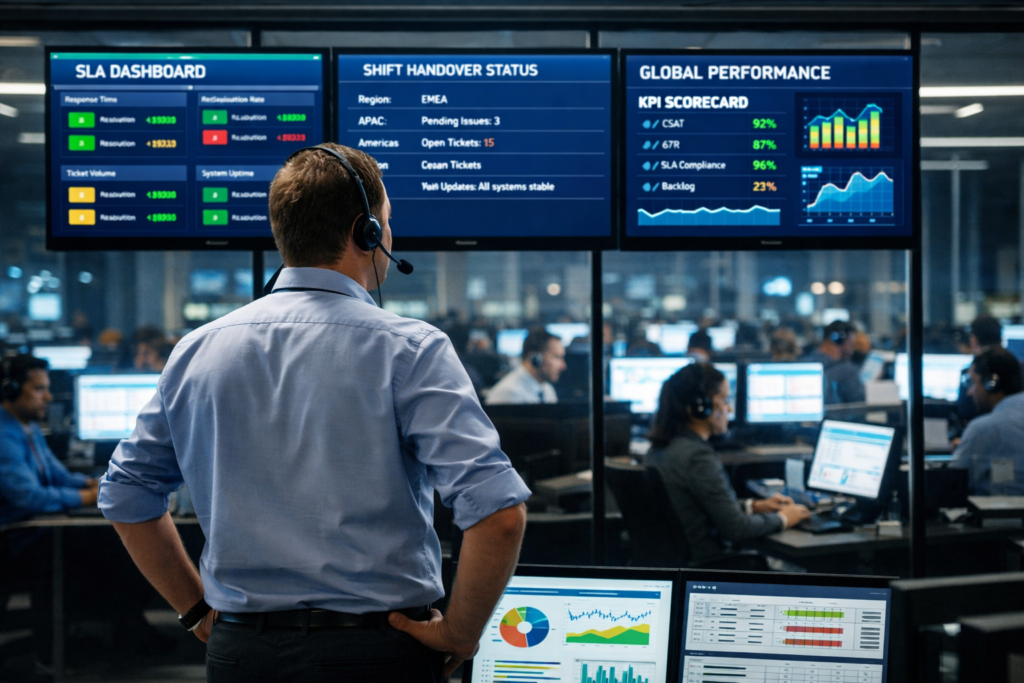
What Is HR Compliance Automation? HR compliance automation is the use of software to automatically enforce labor laws, statutory regulations, and internal HR policies across payroll, attendance, employee records, and workforce processes. This guide to HR compliance automation explains what HR compliance automation is, why it is important, how it works, and how organizations reduce compliance risk through automated HR systems. Who This Is For HR and payroll teams managing statutory compliance Compliance and audit teams reducing regulatory risk Organizations operating across regions or jurisdictions Businesses moving from manual to automated compliance processes Summary: HR compliance automation reduces regulatory risk by continuously applying labor laws, policies, and statutory rules through automated HR, payroll, and workforce systems. Why Is HR Compliance Automation Important? Reduces risk of non-compliance and penalties Ensures consistent enforcement of labor laws Eliminates manual compliance tracking Improves audit readiness and reporting Supports regulatory changes at scale What Problems Does HR Compliance Automation Solve? Manual tracking of labor laws and statutory rules Payroll errors caused by outdated regulations Inconsistent application of HR policies Limited visibility into compliance status Delayed audit preparation How HR Compliance Automation Works Configure labor laws, statutory rules, and HR policies Capture workforce, attendance, and payroll data Automatically validate compliance rules Trigger alerts for violations or exceptions Maintain audit logs and compliance reports Benefits of HR Compliance Automation Lower compliance risk and regulatory exposure Accurate payroll and statutory calculations Real-time compliance visibility Reduced manual workload for HR teams Improved confidence during audits HR Compliance Automation vs Manual Compliance Automated compliance enforces rules continuously Manual compliance relies on periodic checks Automation reduces human error Manual processes increase compliance risk FAQs What is HR compliance automation? HR compliance automation is the use of software to automatically enforce labor laws, statutory requirements, and HR policies across workforce processes. What regulations does HR compliance automation cover? It
HRMS Definitions & Core HR Systems

What Is HR Analytics?

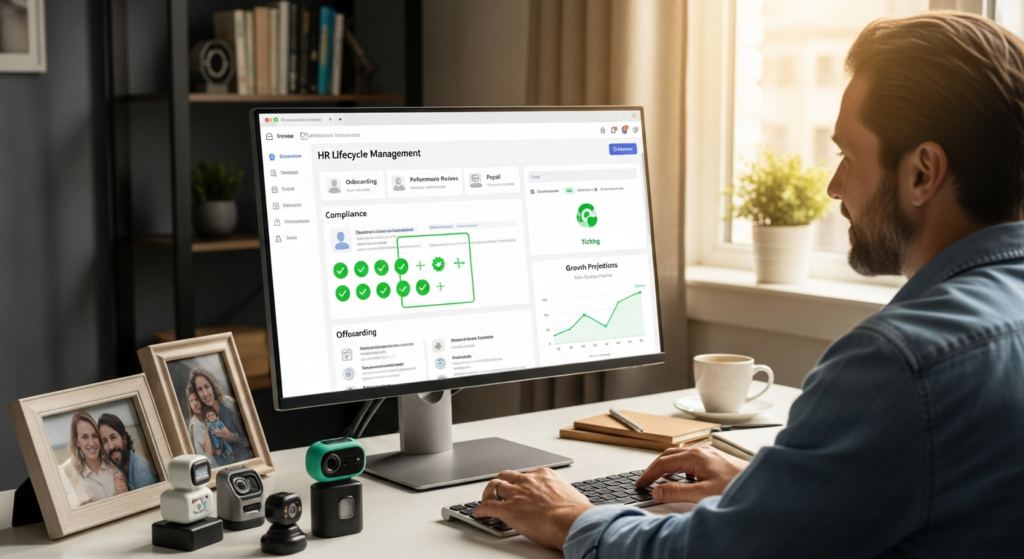
What Is HR Analytics? HR analytics is the practice of collecting, analyzing, and interpreting workforce data to improve HR decision-making, optimize people processes, and support overall business performance. This guide to HR analytics explains what HR analytics is, why it is important, the different types of HR analytics, how it works, and how organizations use workforce data to make better decisions. Who This Is For HR leaders building data-driven HR strategies People analytics and workforce planning teams Business leaders aligning HR decisions with outcomes Organizations moving beyond basic HR reporting Summary: HR analytics transforms workforce data into actionable insights that help organizations improve performance, predict trends, and make evidence-based HR decisions. Why Is HR Analytics Important? Improves the quality of HR and people decisions Identifies workforce trends and risks early Aligns HR initiatives with business objectives Supports productivity, retention, and engagement Enables strategic workforce planning Types of HR Analytics Descriptive analytics: Explains what has happened using historical HR data Diagnostic analytics: Identifies why specific workforce outcomes occurred Predictive analytics: Forecasts future trends such as attrition or performance Prescriptive analytics: Recommends actions to improve workforce outcomes How HR Analytics Works Collect employee and workforce data from HR systems Clean, organize, and standardize the data Analyze trends, patterns, and correlations Visualize insights using reports and dashboards Use insights to guide HR and business decisions Benefits of HR Analytics Data-driven workforce planning Improved employee retention and engagement Better hiring and talent development decisions Reduced HR risks and inefficiencies Greater transparency and accountability HR Analytics vs HR Reporting HR analytics focuses on insights, trends, and predictions HR reporting focuses on historical data and metrics Analytics supports strategic decision-making Reporting supports operational tracking FAQs What is HR analytics? HR analytics is the practice of analyzing workforce data to improve HR decisions, people processes, and organizational performance. What are the main types of HR analytics? The main types of HR analytics are descriptive, diagnostic, predictive, and prescriptive analytics. Why is HR analytics important? HR analytics helps organizations make informed decisions, predict workforce trends, and align HR strategies with business goals. What data is used in HR analytics? HR analytics uses employee demographics, performance data, attendance, payroll, engagement, and attrition information. Is HR analytics part of an HRMS? Yes. Modern HRMS platforms include HR analytics features such as dashboards, reports, and predictive insights.

Scroll to Top