HRMS System in the USA
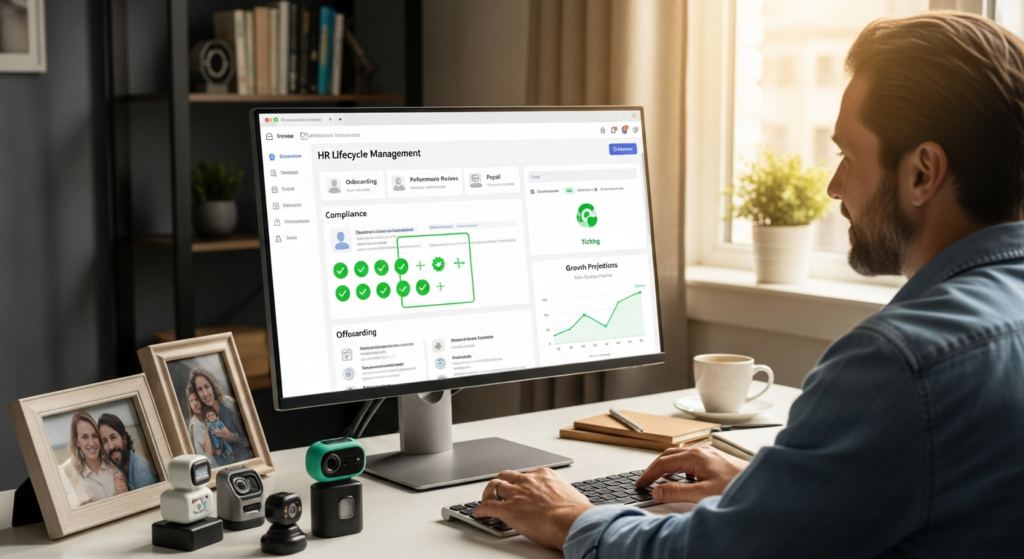
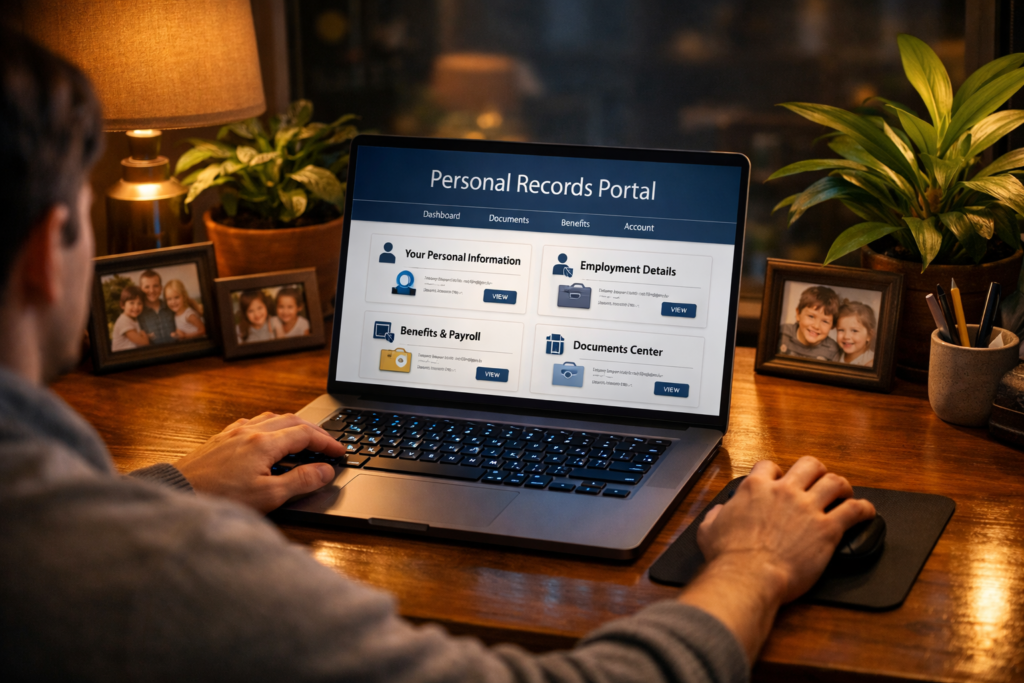
Introduction There’s a shift happening inside American companies one you can feel from the moment you step into a modern workplace. HR teams aren’t buried in paperwork anymore. Employees aren’t stuck chasing updates or waiting for approvals. Leaders aren’t guessing what’s happening inside their workforce. And this transformation isn’t magic. It’s the rise of the HRMS System in the USA. Across the country, businesses realised the old tools weren’t cutting it. Spreadsheets couldn’t keep up. Manual onboarding broke under pressure. Outdated attendance systems caused more confusion than clarity. And employees wanted something better, something intuitive, fast, smart, and human. That something is the modern HRMS System in the USA. Today, HR isn’t just administrative. It’s strategic. It’s cultural. It’s the engine that shapes how people work, grow, and succeed. And the HRMS System in USA has become the backbone holding that engine together. It’s intelligent. It’s automated. It’s built to match the speed of American innovation. And most importantly, it gives HR teams and employees the experience they’ve been craving for decades. Why the HRMS System in the USA Became a Business Essential Let’s be honest the American work environment is intense. Deadlines move faster. Teams are distributed. Laws change constantly. Hiring is competitive. And every department is expected to do more with less. HR teams, especially, feel the weight of this. That’s why the HRMS System in the USA has become such a critical investment. Companies are tired of drowning in repetitive tasks. They’re tired of bottlenecks caused by outdated systems. They’re tired of having no real visibility into workforce performance. They want clarity. They want automation. They want everything in one place, not scattered across a dozen tools. The HRMS System in the USA steps in with confidence and says, “Let me handle the chaos so you can focus on your people.” This isn’t a small upgrade. It’s a fundamental shift in how American companies function. How the HRMS System in USA Enhances Employee Experience If you’ve spent even ten minutes talking to employees today, you know they aren’t looking for the old HR experience. They want simplicity. They want clarity. They want growth. They want a system that doesn’t make basic tasks feel like a chore. The HRMS System in USA transforms that experience beautifully. Imagine onboarding that feels welcoming instead of overwhelming. Imagine employees being able to apply for leave without sending ten emails. Imagine performance reviews that feel like conversations instead of confrontations. Imagine training pathways that actually help people grow instead of checking boxes. The HRMS System in USA makes all of this possible. It gives employees a digital home where everything they need payslips, goals, updates, documents, schedules is just a tap away. It breaks down the walls between employees and HR. And it empowers people to take control of their growth and responsibilities. When employees feel supported, productivity rises. Engagement increases. Loyalty strengthens. That’s the hidden superpower of the HRMS System in USA it makes people feel valued. Why the USA Leads the HRMS Revolution The United States has always been the testing ground for workplace innovation. From Silicon Valley startups redefining remote work to Fortune 500 giants investing in AI-driven HR, the country thrives on reinvention. And this culture of innovation fuels the rapid growth of the HRMS System in USA. Technology companies here don’t just create software. They create ecosystems intelligent, adaptable systems that evolve with organizations. The HRMS System in USA has benefited massively from this environment. It’s faster, smarter, more intuitive, and more human-centered than HR systems in many other parts of the world. American companies love speed. They love data. They love transforming processes that used to take days into actions that take seconds. That’s why the HRMS System in USA has become a must-have rather than a nice-to-have. Businesses here don’t wait for the future. They build it. How the HRMS System in USA Strengthens Organizational Performance Performance isn’t just about tracking KPIs anymore. It’s about alignment. It’s about clarity. It’s about giving teams the tools they need to succeed without drowning in guesswork. This is where the HRMS System in USA shines. It brings structure to the chaos. It turns performance reviews into actionable progress instead of once-a-year panic sessions. It gives managers a real-time understanding of how their teams are doing. It helps HR identify skill gaps, workload imbalances, and burnout risks long before they become real problems. And by automating repetitive tasks, the HRMS System in USA frees HR teams to focus on what truly matters people, culture, and growth. A company becomes unstoppable when its people operate with clarity and purpose. And that clarity often begins with the right HRMS System in USA. Customization: The Secret Strength of HRMS System in USA American companies are diverse. A Boston university doesn’t operate like a Silicon Valley tech startup. A Chicago retail chain doesn’t function like a Texas healthcare network. Every business has its own rhythm, its own compliance rules, its own operational heartbeat. That’s why customization is one of the biggest strengths of the HRMS System in USA. Instead of forcing companies to adapt to rigid workflows, the system adapts to them. Whether it’s custom approval chains, personalized training modules, unique attendance rules, or industry-specific compliance needs, the HRMS System in USA bends beautifully to match the organization. When software feels natural, adoption becomes effortless.When adoption becomes effortless, transformation becomes real. That’s the difference between a tool and a strategic advantage. Why User Experience Makes or Breaks HRMS System in USA This is the truth no one likes to say out loud: HR software fails not because of features but because of bad design. If a system is clunky, slow, or confusing, people simply refuse to use it. Managers avoid it. Employees ignore it. HR gets stuck doing work the software was supposed to do. That’s why user experience is everything in the HRMS System in USA. A smooth interface turns frustration into empowerment. A clean dashboard turns confusion into clarity. An