Use Cases

HRMS for Distributed Offices
Use Cases

HRMS for Distributed Offices

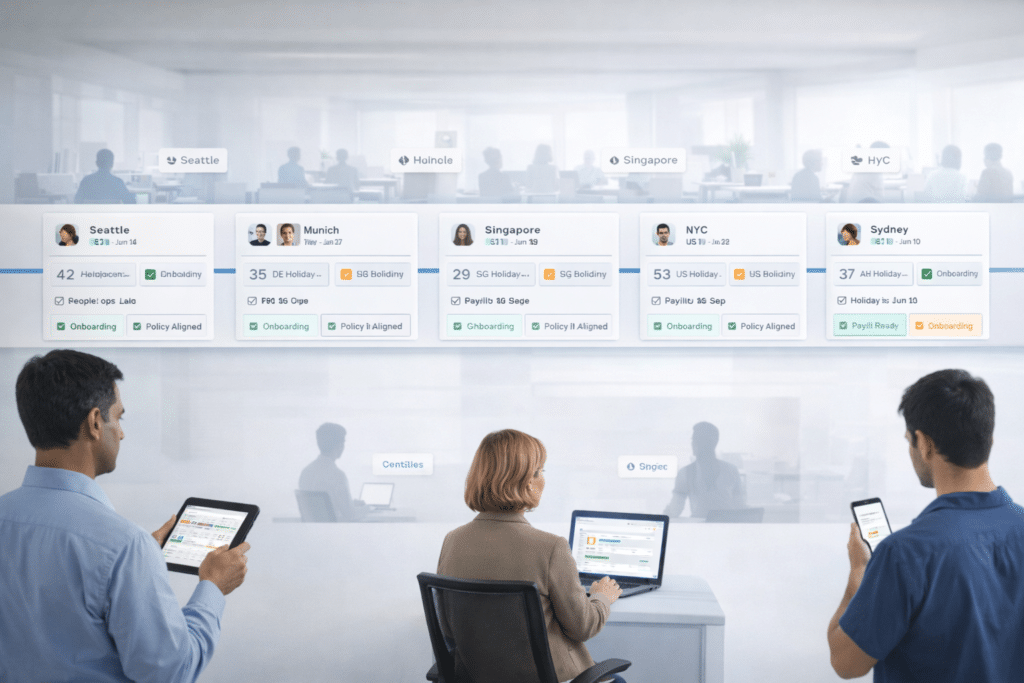
HRMS for Distributed Offices   HRMS for Distributed Offices provides a centralized system for employee data, time, leave, payroll, and compliance tailored to this workforce model. It replaces scattered spreadsheets and inbox approvals with automated workflows and real-time visibility, so HR and managers can operate efficiently with fewer errors, stronger compliance, and a better employee experience. Why HR Management Is Challenging for Distributed Offices   Limited visibility into when, where, and how employees are working. Heavy reliance on manual tracking through spreadsheets, chat, and email. Payroll calculations impacted by varying schedules, locations, and policies. Difficulty enforcing consistent HR policies across all teams and sites. Slow, untracked approvals for HR requests and changes. Common HR Challenges in Distributed Offices Environments   Inconsistent attendance and time tracking across tools and channels. Errors in PTO, overtime, or shift payouts due to manual inputs. Fragmented employee records stored in multiple systems and documents. Compliance gaps when managing employees in different regions or entities. Limited reporting on workload, absenteeism, and employee engagement. How an HRMS Solves Distributed Offices Challenges   An HRMS gives distributed offices a single, structured platform for core HR processes instead of scattered tools and manual work. It standardizes how data is captured, approvals are routed, and policies are applied, improving accuracy, accountability, and transparency for HR, managers, and employees. With configurable workflows and role-based access, organizations can adapt the system to their operating model while still enforcing consistent HR standards across all teams and locations. Key HRMS Features for Distributed Offices   Payroll Automation: Applies rules for pay cycles, allowances, overtime, and deductions based on the specific workforce structure. Attendance & Time Tracking: Captures time from web, mobile, or devices and consolidates it into a single source of truth. Leave & PTO Management: Manages balances, requests, and approvals with clear, centrally visible policies. Employee Self-Service: Enables employees to view payslips, request leave, and update details without emailing HR. Workflow & Approvals: Automates multi-step approvals for HR changes, time corrections, and requests. Compliance Tracking: Maintains audit trails, policy acknowledgements, and documentation in one place. HR Analytics & Reporting: Provides dashboards and reports on headcount, attendance, leave, and payroll metrics. Example HR Workflow for Distributed Offices   HR creates or updates the employee record in the HRMS. Employees record time or attendance using approved channels. Leave and correction requests are submitted through self-service. Managers review and approve or reject requests in the HRMS. Approved data flows automatically into payroll calculations. HR reviews exception reports and finalizes payroll. Employees receive payslips and can raise queries through the same system. Compliance Considerations for Distributed Offices   Ensuring work hours, breaks, and overtime align with applicable labor rules. Maintaining accurate records for audits and statutory reporting. Managing different holiday, leave, and pay rules across geographies. Controlling access to sensitive employee and payroll data. Keeping traceable logs of changes, approvals, and user activity in the HRMS. Business Benefits of Using HRMS for Distributed Offices   Reduced payroll and attendance errors through automation. Higher HR productivity by eliminating repetitive, manual updates. Improved employee experience with faster responses and self-service. Better compliance posture with complete, auditable HR records. More informed decisions using real-time HR and workforce analytics. How HRMSNext Supports Distributed Offices   HRMSNext provides a centralized platform to manage HR, payroll, and attendance for distributed offices. It offers configurable workflows, multi-location support, and self-service capabilities that align with modern ways of working. HR and managers gain clear visibility into headcount, time, and costs while employees get a consistent experience across teams and locations. To explore detailed capabilities, workforce-specific implementations, and case studies, visit our Features page, Industries section, or explore insights in our Resource Center. Who Should Use an HRMS for Distributed Offices   Organizations with distributed offices as a primary operating model. Companies scaling headcount across multiple teams or locations. HR teams looking to reduce manual work and improve accuracy. Businesses subject to strict compliance or labor regulations. Get Started with HRMS for Distributed Offices   Book a live demo to see how HRMSNext supports distributed offices workflows. Talk to an HR automation specialist about your specific use case and challenges. Explore the full feature set and case studies on the HRMSNext platform.
hrms for multi-location retail
Use Cases

HRMS for Multi-location Retail

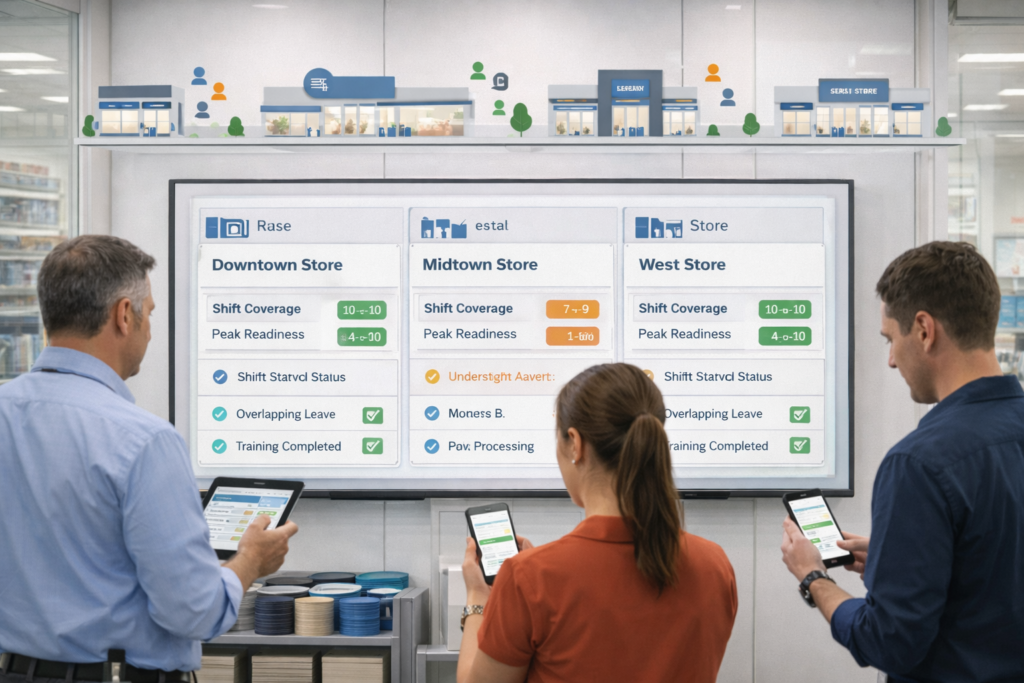
HRMS for Multi-location Retail HRMS for Multi-location Retail provides a centralized system for employee data, time, leave, payroll, and compliance tailored to this workforce model. It replaces scattered spreadsheets and inbox approvals with automated workflows and real-time visibility, so HR and managers can operate efficiently with fewer errors, stronger compliance, and a better employee experience. Why HR Management Is Challenging for Multi-location Retail Limited visibility into when, where, and how employees are working. Heavy reliance on manual tracking through spreadsheets, chat, and email. Payroll calculations impacted by varying schedules, locations, and policies. Difficulty enforcing consistent HR policies across all teams and sites. Slow, untracked approvals for HR requests and changes. Common HR Challenges in Multi-location Retail Environments Inconsistent attendance and time tracking across tools and channels. Errors in PTO, overtime, or shift payouts due to manual inputs. Fragmented employee records stored in multiple systems and documents. Compliance gaps when managing employees in different regions or entities. Limited reporting on workload, absenteeism, and employee engagement. How an HRMS Solves Multi-location Retail Challenges An HRMS gives multi-location retail a single, structured platform for core HR processes instead of scattered tools and manual work. It standardizes how data is captured, approvals are routed, and policies are applied, improving accuracy, accountability, and transparency for HR, managers, and employees. With configurable workflows and role-based access, organizations can adapt the system to their operating model while still enforcing consistent HR standards across all teams and locations. Key HRMS Features for Multi-location Retail Payroll Automation: Applies rules for pay cycles, allowances, overtime, and deductions based on the specific workforce structure. Attendance & Time Tracking: Captures time from web, mobile, or devices and consolidates it into a single source of truth. Leave & PTO Management: Manages balances, requests, and approvals with clear, centrally visible policies. Employee Self-Service: Enables employees to view payslips, request leave, and update details without emailing HR. Workflow & Approvals: Automates multi-step approvals for HR changes, time corrections, and requests. Compliance Tracking: Maintains audit trails, policy acknowledgements, and documentation in one place. HR Analytics & Reporting: Provides dashboards and reports on headcount, attendance, leave, and payroll metrics. Example HR Workflow for Multi-location Retail HR creates or updates the employee record in the HRMS. Employees record time or attendance using approved channels. Leave and correction requests are submitted through self-service. Managers review and approve or reject requests in the HRMS. Approved data flows automatically into payroll calculations. HR reviews exception reports and finalizes payroll. Employees receive payslips and can raise queries through the same system. Compliance Considerations for Multi-location Retail Ensuring work hours, breaks, and overtime align with applicable labor rules. Maintaining accurate records for audits and statutory reporting. Managing different holiday, leave, and pay rules across geographies. Controlling access to sensitive employee and payroll data. Keeping traceable logs of changes, approvals, and user activity in the HRMS. Business Benefits of Using HRMS for Multi-location Retail Reduced payroll and attendance errors through automation. Higher HR productivity by eliminating repetitive, manual updates. Improved employee experience with faster responses and self-service. Better compliance posture with complete, auditable HR records. More informed decisions using real-time HR and workforce analytics. How HRMSNext Supports Multi-location Retail HRMSNext provides a centralized platform to manage HR, payroll, and attendance for multi-location retail. It offers configurable workflows, multi-location support, and self-service capabilities that align with modern ways of working. HR and managers gain clear visibility into headcount, time, and costs while employees get a consistent experience across teams and locations. To explore detailed capabilities, workforce-specific implementations, and case studies, visit our Features page, Industries section, or explore insights in our Resource Center. Who Should Use an HRMS for Multi-location Retail Organizations with multi-location retail as a primary operating model. Companies scaling headcount across multiple teams or locations. HR teams looking to reduce manual work and improve accuracy. Businesses subject to strict compliance or labor regulations. Get Started with HRMS for Multi-location Retail Book a live demo to see how HRMSNext supports multi-location retail workflows. Talk to an HR automation specialist about your specific use case and challenges. Explore the full feature set and case studies on the HRMSNext platform.

HRMS for Manufacturing Plants
Use Cases

HRMS for Manufacturing Plants

HRMS for Manufacturing Plants HRMS for Manufacturing Plants provides a centralized system for employee data, time, leave, payroll, and compliance tailored to this workforce model. It replaces scattered spreadsheets and inbox approvals with automated workflows and real-time visibility, so HR and managers can operate efficiently with fewer errors, stronger compliance, and a better employee experience. Why HR Management Is Challenging for Manufacturing Plants Limited visibility into when, where, and how employees are working. Heavy reliance on manual tracking through spreadsheets, chat, and email. Payroll calculations impacted by varying schedules, locations, and policies. Difficulty enforcing consistent HR policies across all teams and sites. Slow, untracked approvals for HR requests and changes. Common HR Challenges in Manufacturing Plants Environments Inconsistent attendance and time tracking across tools and channels. Errors in PTO, overtime, or shift payouts due to manual inputs. Fragmented employee records stored in multiple systems and documents. Compliance gaps when managing employees in different regions or entities. Limited reporting on workload, absenteeism, and employee engagement. How an HRMS Solves Manufacturing Plants Challenges An HRMS gives manufacturing plants a single, structured platform for core HR processes instead of scattered tools and manual work. It standardizes how data is captured, approvals are routed, and policies are applied, improving accuracy, accountability, and transparency for HR, managers, and employees. With configurable workflows and role-based access, organizations can adapt the system to their operating model while still enforcing consistent HR standards across all teams and locations. Key HRMS Features for Manufacturing Plants Payroll Automation: Applies rules for pay cycles, allowances, overtime, and deductions based on the specific workforce structure. Attendance & Time Tracking: Captures time from web, mobile, or devices and consolidates it into a single source of truth. Leave & PTO Management: Manages balances, requests, and approvals with clear, centrally visible policies. Employee Self-Service: Enables employees to view payslips, request leave, and update details without emailing HR. Workflow & Approvals: Automates multi-step approvals for HR changes, time corrections, and requests. Compliance Tracking: Maintains audit trails, policy acknowledgements, and documentation in one place. HR Analytics & Reporting: Provides dashboards and reports on headcount, attendance, leave, and payroll metrics. Example HR Workflow for Manufacturing Plants HR creates or updates the employee record in the HRMS. Employees record time or attendance using approved channels. Leave and correction requests are submitted through self-service. Managers review and approve or reject requests in the HRMS. Approved data flows automatically into payroll calculations. HR reviews exception reports and finalizes payroll. Employees receive payslips and can raise queries through the same system. Compliance Considerations for Manufacturing Plants Ensuring work hours, breaks, and overtime align with applicable labor rules. Maintaining accurate records for audits and statutory reporting. Managing different holiday, leave, and pay rules across geographies. Controlling access to sensitive employee and payroll data. Keeping traceable logs of changes, approvals, and user activity in the HRMS. Business Benefits of Using HRMS for Manufacturing Plants Reduced payroll and attendance errors through automation. Higher HR productivity by eliminating repetitive, manual updates. Improved employee experience with faster responses and self-service. Better compliance posture with complete, auditable HR records. More informed decisions using real-time HR and workforce analytics. How HRMSNext Supports Manufacturing Plants HRMSNext provides a centralized platform to manage HR, payroll, and attendance for manufacturing plants. It offers configurable workflows, multi-location support, and self-service capabilities that align with modern ways of working. HR and managers gain clear visibility into headcount, time, and costs while employees get a consistent experience across teams and locations. To explore detailed capabilities, workforce-specific implementations, and case studies, visit our Features page, Industries section, or explore insights in our Resource Center. Who Should Use an HRMS for Manufacturing Plants Organizations with manufacturing plants as a primary operating model. Companies scaling headcount across multiple teams or locations. HR teams looking to reduce manual work and improve accuracy. Businesses subject to strict compliance or labor regulations. Get Started with HRMS for Manufacturing Plants Book a live demo to see how HRMSNext supports manufacturing plants workflows. Talk to an HR automation specialist about your specific use case and challenges. Explore the full feature set and case studies on the HRMSNext platform.

Use Cases

HRMS for Healthcare Workforce

HRMS for Healthcare Workforce HRMS for Healthcare Workforce provides a centralized system for employee data, time, leave, payroll, and compliance tailored to this workforce model. It replaces scattered spreadsheets and inbox approvals with automated workflows and real-time visibility, so HR and managers can operate efficiently with fewer errors, stronger compliance, and a better employee experience. Why HR Management Is Challenging for Healthcare Workforce Limited visibility into when, where, and how employees are working. Heavy reliance on manual tracking through spreadsheets, chat, and email. Payroll calculations impacted by varying schedules, locations, and policies. Difficulty enforcing consistent HR policies across all teams and sites. Slow, untracked approvals for HR requests and changes. Common HR Challenges in Healthcare Workforce Environments Inconsistent attendance and time tracking across tools and channels. Errors in PTO, overtime, or shift payouts due to manual inputs. Fragmented employee records stored in multiple systems and documents. Compliance gaps when managing employees in different regions or entities. Limited reporting on workload, absenteeism, and employee engagement. How an HRMS Solves Healthcare Workforce Challenges An HRMS gives healthcare workforce a single, structured platform for core HR processes instead of scattered tools and manual work. It standardizes how data is captured, approvals are routed, and policies are applied, improving accuracy, accountability, and transparency for HR, managers, and employees. With configurable workflows and role-based access, organizations can adapt the system to their operating model while still enforcing consistent HR standards across all teams and locations. Key HRMS Features for Healthcare Workforce Payroll Automation: Applies rules for pay cycles, allowances, overtime, and deductions based on the specific workforce structure. Attendance & Time Tracking: Captures time from web, mobile, or devices and consolidates it into a single source of truth. Leave & PTO Management: Manages balances, requests, and approvals with clear, centrally visible policies. Employee Self-Service: Enables employees to view payslips, request leave, and update details without emailing HR. Workflow & Approvals: Automates multi-step approvals for HR changes, time corrections, and requests. Compliance Tracking: Maintains audit trails, policy acknowledgements, and documentation in one place. HR Analytics & Reporting: Provides dashboards and reports on headcount, attendance, leave, and payroll metrics. Example HR Workflow for Healthcare Workforce HR creates or updates the employee record in the HRMS. Employees record time or attendance using approved channels. Leave and correction requests are submitted through self-service. Managers review and approve or reject requests in the HRMS. Approved data flows automatically into payroll calculations. HR reviews exception reports and finalizes payroll. Employees receive payslips and can raise queries through the same system. Compliance Considerations for Healthcare Workforce Ensuring work hours, breaks, and overtime align with applicable labor rules. Maintaining accurate records for audits and statutory reporting. Managing different holiday, leave, and pay rules across geographies. Controlling access to sensitive employee and payroll data. Keeping traceable logs of changes, approvals, and user activity in the HRMS. Business Benefits of Using HRMS for Healthcare Workforce Reduced payroll and attendance errors through automation. Higher HR productivity by eliminating repetitive, manual updates. Improved employee experience with faster responses and self-service. Better compliance posture with complete, auditable HR records. More informed decisions using real-time HR and workforce analytics. How HRMSNext Supports Healthcare Workforce HRMSNext provides a centralized platform to manage HR, payroll, and attendance for healthcare workforce. It offers configurable workflows, multi-location support, and self-service capabilities that align with modern ways of working. HR and managers gain clear visibility into headcount, time, and costs while employees get a consistent experience across teams and locations. To explore detailed capabilities, workforce-specific implementations, and case studies, visit our Features page, Industries section, or explore insights in our Resource Center.and stay updated via our LinkedIn. Who Should Use an HRMS for Healthcare Workforce Organizations with healthcare workforce as a primary operating model. Companies scaling headcount across multiple teams or locations. HR teams looking to reduce manual work and improve accuracy. Businesses subject to strict compliance or labor regulations. Get Started with HRMS for Healthcare Workforce Book a live demo to see how HRMSNext supports healthcare workforce workflows. Talk to an HR automation specialist about your specific use case and challenges. Explore the full feature set and case studies on the HRMSNext platform.

Use Cases

HRMS for Government Workforce

HRMS for Government Workforce HRMS for Government Workforce provides a centralized system for employee data, time, leave, payroll, and compliance tailored to this workforce model. It replaces scattered spreadsheets and inbox approvals with automated workflows and real-time visibility, so HR and managers can operate efficiently with fewer errors, stronger compliance, and a better employee experience. Why HR Management Is Challenging for Government Workforce Limited visibility into when, where, and how employees are working. Heavy reliance on manual tracking through spreadsheets, chat, and email. Payroll calculations impacted by varying schedules, locations, and policies. Difficulty enforcing consistent HR policies across all teams and sites. Slow, untracked approvals for HR requests and changes. Common HR Challenges in Government Workforce Environments Inconsistent attendance and time tracking across tools and channels. Errors in PTO, overtime, or shift payouts due to manual inputs. Fragmented employee records stored in multiple systems and documents. Compliance gaps when managing employees in different regions or entities. Limited reporting on workload, absenteeism, and employee engagement. How an HRMS Solves Government Workforce Challenges An HRMS gives government workforce a single, structured platform for core HR processes instead of scattered tools and manual work. It standardizes how data is captured, approvals are routed, and policies are applied, improving accuracy, accountability, and transparency for HR, managers, and employees. With configurable workflows and role-based access, organizations can adapt the system to their operating model while still enforcing consistent HR standards across all teams and locations. Key HRMS Features for Government Workforce Payroll Automation: Applies rules for pay cycles, allowances, overtime, and deductions based on the specific workforce structure. Attendance & Time Tracking: Captures time from web, mobile, or devices and consolidates it into a single source of truth. Leave & PTO Management: Manages balances, requests, and approvals with clear, centrally visible policies. Employee Self-Service: Enables employees to view payslips, request leave, and update details without emailing HR. Workflow & Approvals: Automates multi-step approvals for HR changes, time corrections, and requests. Compliance Tracking: Maintains audit trails, policy acknowledgements, and documentation in one place. HR Analytics & Reporting: Provides dashboards and reports on headcount, attendance, leave, and payroll metrics. Example HR Workflow for Government Workforce HR creates or updates the employee record in the HRMS. Employees record time or attendance using approved channels. Leave and correction requests are submitted through self-service. Managers review and approve or reject requests in the HRMS. Approved data flows automatically into payroll calculations. HR reviews exception reports and finalizes payroll. Employees receive payslips and can raise queries through the same system. Compliance Considerations for Government Workforce Ensuring work hours, breaks, and overtime align with applicable labor rules. Maintaining accurate records for audits and statutory reporting. Managing different holiday, leave, and pay rules across geographies. Controlling access to sensitive employee and payroll data. Keeping traceable logs of changes, approvals, and user activity in the HRMS. Business Benefits of Using HRMS for Government Workforce Reduced payroll and attendance errors through automation. Higher HR productivity by eliminating repetitive, manual updates. Improved employee experience with faster responses and self-service. Better compliance posture with complete, auditable HR records. More informed decisions using real-time HR and workforce analytics. How HRMSNext Supports Government Workforce HRMSNext provides a centralized platform to manage HR, payroll, and attendance for government workforce. It offers configurable workflows, multi-location support, and self-service capabilities that align with modern ways of working. HR and managers gain clear visibility into headcount, time, and costs while employees get a consistent experience across teams and locations. To explore detailed capabilities, workforce-specific implementations, and case studies, visit our Features page, Industries section, or explore insights in our Resource Center.and stay updated via our LinkedIn. Who Should Use an HRMS for Government Workforce Organizations with government workforce as a primary operating model. Companies scaling headcount across multiple teams or locations. HR teams looking to reduce manual work and improve accuracy. Businesses subject to strict compliance or labor regulations. Get Started with HRMS for Government Workforce Book a live demo to see how HRMSNext supports government workforce workflows. Talk to an HR automation specialist about your specific use case and challenges. Explore the full feature set and case studies on the HRMSNext platform.
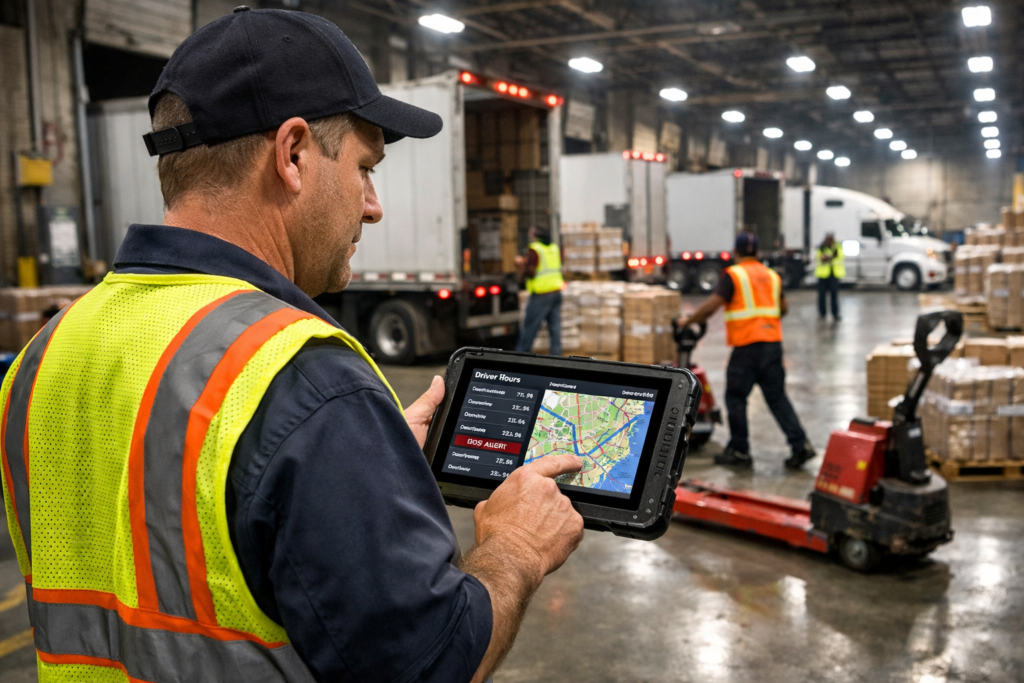
HRMS for Hospitality Workforce
Use Cases

HRMS for Hospitality Workforce

HRMS for Hospitality Workforce HRMS for Hospitality Workforce provides a centralized system for employee data, time, leave, payroll, and compliance tailored to this workforce model. It replaces scattered spreadsheets and inbox approvals with automated workflows and real-time visibility, so HR and managers can operate efficiently with fewer errors, stronger compliance, and a better employee experience. Why HR Management Is Challenging for Hospitality Workforce Limited visibility into when, where, and how employees are working. Heavy reliance on manual tracking through spreadsheets, chat, and email. Payroll calculations impacted by varying schedules, locations, and policies. Difficulty enforcing consistent HR policies across all teams and sites. Slow, untracked approvals for HR requests and changes. Common HR Challenges in Hospitality Workforce Environments Inconsistent attendance and time tracking across tools and channels. Errors in PTO, overtime, or shift payouts due to manual inputs. Fragmented employee records stored in multiple systems and documents. Compliance gaps when managing employees in different regions or entities. Limited reporting on workload, absenteeism, and employee engagement. How an HRMS Solves Hospitality Workforce Challenges An HRMS gives hospitality workforce a single, structured platform for core HR processes instead of scattered tools and manual work. It standardizes how data is captured, approvals are routed, and policies are applied, improving accuracy, accountability, and transparency for HR, managers, and employees. With configurable workflows and role-based access, organizations can adapt the system to their operating model while still enforcing consistent HR standards across all teams and locations. Key HRMS Features for Hospitality Workforce Payroll Automation: Applies rules for pay cycles, allowances, overtime, and deductions based on the specific workforce structure. Attendance & Time Tracking: Captures time from web, mobile, or devices and consolidates it into a single source of truth. Leave & PTO Management: Manages balances, requests, and approvals with clear, centrally visible policies. Employee Self-Service: Enables employees to view payslips, request leave, and update details without emailing HR. Workflow & Approvals: Automates multi-step approvals for HR changes, time corrections, and requests. Compliance Tracking: Maintains audit trails, policy acknowledgements, and documentation in one place. HR Analytics & Reporting: Provides dashboards and reports on headcount, attendance, leave, and payroll metrics. Example HR Workflow for Hospitality Workforce HR creates or updates the employee record in the HRMS. Employees record time or attendance using approved channels. Leave and correction requests are submitted through self-service. Managers review and approve or reject requests in the HRMS. Approved data flows automatically into payroll calculations. HR reviews exception reports and finalizes payroll. Employees receive payslips and can raise queries through the same system. Compliance Considerations for Hospitality Workforce Ensuring work hours, breaks, and overtime align with applicable labor rules. Maintaining accurate records for audits and statutory reporting. Managing different holiday, leave, and pay rules across geographies. Controlling access to sensitive employee and payroll data. Keeping traceable logs of changes, approvals, and user activity in the HRMS. Business Benefits of Using HRMS for Hospitality Workforce Reduced payroll and attendance errors through automation. Higher HR productivity by eliminating repetitive, manual updates. Improved employee experience with faster responses and self-service. Better compliance posture with complete, auditable HR records. More informed decisions using real-time HR and workforce analytics. How HRMSNext Supports Hospitality Workforce HRMSNext provides a centralized platform to manage HR, payroll, and attendance for hospitality workforce. It offers configurable workflows, multi-location support, and self-service capabilities that align with modern ways of working. HR and managers gain clear visibility into headcount, time, and costs while employees get a consistent experience across teams and locations. To explore detailed capabilities, workforce-specific implementations, and case studies, visit our Features page, Industries section, or explore insights in our Resource Center.and stay updated via our LinkedIn. Who Should Use an HRMS for Hospitality Workforce Organizations with hospitality workforce as a primary operating model. Companies scaling headcount across multiple teams or locations. HR teams looking to reduce manual work and improve accuracy. Businesses subject to strict compliance or labor regulations. Get Started with HRMS for Hospitality Workforce Book a live demo to see how HRMSNext supports hospitality workforce workflows. Talk to an HR automation specialist about your specific use case and challenges. Explore the full feature set and case studies on the HRMSNext platform. FAQs Q1. What is HRMS for Hospitality Workforce? HRMS for Hospitality Workforce is a system that manages core HR processes—such as employee records, attendance, leave, and payroll—for hospitality workforce, often across multiple locations, time zones, or shifts. Q2. How does HRMS improve HR efficiency for Hospitality Workforce? An HRMS automates routine tasks like attendance tracking, leave approvals, and payroll calculations, reducing manual work and errors so HR teams can focus on strategic initiatives. Q3. Is HRMS compliant for Hospitality Workforce across multiple regions? Modern HRMS platforms like HRMSNext support region-specific rules for working hours, overtime, holidays, and deductions, helping organizations stay aligned with local labor and payroll regulations. Q4. Can an HRMS integrate with existing tools used for Hospitality Workforce? Yes, most HRMS platforms offer integrations with payroll software, time tracking devices, collaboration tools, and accounting systems to ensure seamless data flow. Q5. How long does it take to implement HRMS for Hospitality Workforce? Implementation timelines vary, but many organizations can deploy core HRMS modules—employee records, attendance, and leave—within weeks using phased rollouts and guided training.
Use Cases

HRMS for Logistics Workforce

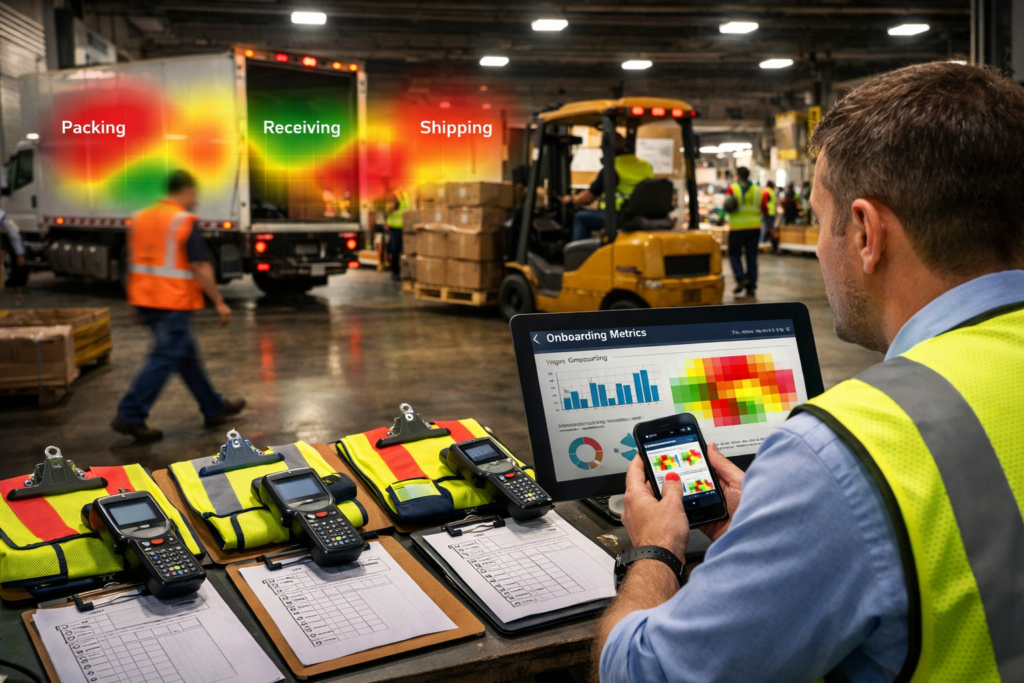
HRMS for Logistics Workforce HRMS for Logistics Workforce provides a centralized system for employee data, time, leave, payroll, and compliance tailored to this workforce model. It replaces scattered spreadsheets and inbox approvals with automated workflows and real-time visibility, so HR and managers can operate efficiently with fewer errors, stronger compliance, and a better employee experience. Why HR Management Is Challenging for Logistics Workforce Limited visibility into when, where, and how employees are working. Heavy reliance on manual tracking through spreadsheets, chat, and email. Payroll calculations impacted by varying schedules, locations, and policies. Difficulty enforcing consistent HR policies across all teams and sites. Slow, untracked approvals for HR requests and changes. Common HR Challenges in Logistics Workforce Environments Inconsistent attendance and time tracking across tools and channels. Errors in PTO, overtime, or shift payouts due to manual inputs. Fragmented employee records stored in multiple systems and documents. Compliance gaps when managing employees in different regions or entities. Limited reporting on workload, absenteeism, and employee engagement. How an HRMS Solves Logistics Workforce Challenges An HRMS gives logistics workforce a single, structured platform for core HR processes instead of scattered tools and manual work. It standardizes how data is captured, approvals are routed, and policies are applied, improving accuracy, accountability, and transparency for HR, managers, and employees. With configurable workflows and role-based access, organizations can adapt the system to their operating model while still enforcing consistent HR standards across all teams and locations. Key HRMS Features for Logistics Workforce Payroll Automation: Applies rules for pay cycles, allowances, overtime, and deductions based on the specific workforce structure. Attendance & Time Tracking: Captures time from web, mobile, or devices and consolidates it into a single source of truth. Leave & PTO Management: Manages balances, requests, and approvals with clear, centrally visible policies. Employee Self-Service: Enables employees to view payslips, request leave, and update details without emailing HR. Workflow & Approvals: Automates multi-step approvals for HR changes, time corrections, and requests. Compliance Tracking: Maintains audit trails, policy acknowledgements, and documentation in one place. HR Analytics & Reporting: Provides dashboards and reports on headcount, attendance, leave, and payroll metrics. Example HR Workflow for Logistics Workforce HR creates or updates the employee record in the HRMS. Employees record time or attendance using approved channels. Leave and correction requests are submitted through self-service. Managers review and approve or reject requests in the HRMS. Approved data flows automatically into payroll calculations. HR reviews exception reports and finalizes payroll. Employees receive payslips and can raise queries through the same system. Compliance Considerations for Logistics Workforce Ensuring work hours, breaks, and overtime align with applicable labor rules. Maintaining accurate records for audits and statutory reporting. Managing different holiday, leave, and pay rules across geographies. Controlling access to sensitive employee and payroll data. Keeping traceable logs of changes, approvals, and user activity in the HRMS. Business Benefits of Using HRMS for Logistics Workforce Reduced payroll and attendance errors through automation. Higher HR productivity by eliminating repetitive, manual updates. Improved employee experience with faster responses and self-service. Better compliance posture with complete, auditable HR records. More informed decisions using real-time HR and workforce analytics. How HRMSNext Supports Logistics Workforce HRMSNext provides a centralized platform to manage HR, payroll, and attendance for logistics workforce. It offers configurable workflows, multi-location support, and self-service capabilities that align with modern ways of working. HR and managers gain clear visibility into headcount, time, and costs while employees get a consistent experience across teams and locations. To explore detailed capabilities, workforce-specific implementations, and case studies, visit our Features page, Industries section, or explore insights in our Resource Center.and stay updated via our LinkedIn. Who Should Use an HRMS for Logistics Workforce Organizations with logistics workforce as a primary operating model. Companies scaling headcount across multiple teams or locations. HR teams looking to reduce manual work and improve accuracy. Businesses subject to strict compliance or labor regulations. Get Started with HRMS for Logistics Workforce Book a live demo to see how HRMSNext supports logistics workforce workflows. Talk to an HR automation specialist about your specific use case and challenges. Explore the full feature set and case studies on the HRMSNext platform.

hrms for high-turnover industries
Use Cases

HRMS for High-Turnover Industries

HRMS for High-Turnover Industries HRMS for High-Turnover Industries provides a centralized system for employee data, time, leave, payroll, and compliance tailored to this workforce model. It replaces scattered spreadsheets and inbox approvals with automated workflows and real-time visibility, so HR and managers can operate efficiently with fewer errors, stronger compliance, and a better employee experience. Why HR Management Is Challenging for High-Turnover Industries Limited visibility into when, where, and how employees are working. Heavy reliance on manual tracking through spreadsheets, chat, and email. Payroll calculations impacted by varying schedules, locations, and policies. Difficulty enforcing consistent HR policies across all teams and sites. Slow, untracked approvals for HR requests and changes. Common HR Challenges in High-Turnover Industries Environments Inconsistent attendance and time tracking across tools and channels. Errors in PTO, overtime, or shift payouts due to manual inputs. Fragmented employee records stored in multiple systems and documents. Compliance gaps when managing employees in different regions or entities. Limited reporting on workload, absenteeism, and employee engagement. How an HRMS Solves High-Turnover Industries Challenges An HRMS gives high-turnover industries a single, structured platform for core HR processes instead of scattered tools and manual work. It standardizes how data is captured, approvals are routed, and policies are applied, improving accuracy, accountability, and transparency for HR, managers, and employees. With configurable workflows and role-based access, organizations can adapt the system to their operating model while still enforcing consistent HR standards across all teams and locations. Key HRMS Features for High-Turnover Industries Payroll Automation: Applies rules for pay cycles, allowances, overtime, and deductions based on the specific workforce structure. Attendance & Time Tracking: Captures time from web, mobile, or devices and consolidates it into a single source of truth. Leave & PTO Management: Manages balances, requests, and approvals with clear, centrally visible policies. Employee Self-Service: Enables employees to view payslips, request leave, and update details without emailing HR. Workflow & Approvals: Automates multi-step approvals for HR changes, time corrections, and requests. Compliance Tracking: Maintains audit trails, policy acknowledgements, and documentation in one place. HR Analytics & Reporting: Provides dashboards and reports on headcount, attendance, leave, and payroll metrics. Example HR Workflow for High-Turnover Industries HR creates or updates the employee record in the HRMS. Employees record time or attendance using approved channels. Leave and correction requests are submitted through self-service. Managers review and approve or reject requests in the HRMS. Approved data flows automatically into payroll calculations. HR reviews exception reports and finalizes payroll. Employees receive payslips and can raise queries through the same system. Compliance Considerations for High-Turnover Industries Ensuring work hours, breaks, and overtime align with applicable labor rules. Maintaining accurate records for audits and statutory reporting. Managing different holiday, leave, and pay rules across geographies. Controlling access to sensitive employee and payroll data. Keeping traceable logs of changes, approvals, and user activity in the HRMS. Business Benefits of Using HRMS for High-Turnover Industries Reduced payroll and attendance errors through automation. Higher HR productivity by eliminating repetitive, manual updates. Improved employee experience with faster responses and self-service. Better compliance posture with complete, auditable HR records. More informed decisions using real-time HR and workforce analytics. How HRMSNext Supports High-Turnover Industries HRMSNext provides a centralized platform to manage HR, payroll, and attendance for high-turnover industries. It offers configurable workflows, multi-location support, and self-service capabilities that align with modern ways of working. HR and managers gain clear visibility into headcount, time, and costs while employees get a consistent experience across teams and locations. To explore detailed capabilities, workforce-specific implementations, and case studies, visit our Features page, Industries section, or explore insights in our Resource Center.and stay updated via our LinkedIn. Who Should Use an HRMS for High-Turnover Industries Organizations with high-turnover industries as a primary operating model. Companies scaling headcount across multiple teams or locations. HR teams looking to reduce manual work and improve accuracy. Businesses subject to strict compliance or labor regulations. Get Started with HRMS for High-Turnover Industries Book a live demo to see how HRMSNext supports high-turnover industries workflows. Talk to an HR automation specialist about your specific use case and challenges. Explore the full feature set and case studies on the HRMSNext platform.

How to Build PTO Policies
Use Cases

HRMS for Seasonal Workforce

HRMS for Seasonal Workforce HRMS for Seasonal Workforce provides a centralized system for employee data, time, leave, payroll, and compliance tailored to this workforce model. It replaces scattered spreadsheets and inbox approvals with automated workflows and real-time visibility, so HR and managers can operate efficiently with fewer errors, stronger compliance, and a better employee experience. Why HR Management Is Challenging for Seasonal Workforce Limited visibility into when, where, and how employees are working. Heavy reliance on manual tracking through spreadsheets, chat, and email. Payroll calculations impacted by varying schedules, locations, and policies. Difficulty enforcing consistent HR policies across all teams and sites. Slow, untracked approvals for HR requests and changes. Common HR Challenges in Seasonal Workforce Environments Inconsistent attendance and time tracking across tools and channels. Errors in PTO, overtime, or shift payouts due to manual inputs. Fragmented employee records stored in multiple systems and documents. Compliance gaps when managing employees in different regions or entities. Limited reporting on workload, absenteeism, and employee engagement. How an HRMS Solves Seasonal Workforce Challenges An HRMS gives seasonal workforce a single, structured platform for core HR processes instead of scattered tools and manual work. It standardizes how data is captured, approvals are routed, and policies are applied, improving accuracy, accountability, and transparency for HR, managers, and employees. With configurable workflows and role-based access, organizations can adapt the system to their operating model while still enforcing consistent HR standards across all teams and locations. Key HRMS Features for Seasonal Workforce Payroll Automation: Applies rules for pay cycles, allowances, overtime, and deductions based on the specific workforce structure. Attendance & Time Tracking: Captures time from web, mobile, or devices and consolidates it into a single source of truth. Leave & PTO Management: Manages balances, requests, and approvals with clear, centrally visible policies. Employee Self-Service: Enables employees to view payslips, request leave, and update details without emailing HR. Workflow & Approvals: Automates multi-step approvals for HR changes, time corrections, and requests. Compliance Tracking: Maintains audit trails, policy acknowledgements, and documentation in one place. HR Analytics & Reporting: Provides dashboards and reports on headcount, attendance, leave, and payroll metrics. Example HR Workflow for Seasonal Workforce HR creates or updates the employee record in the HRMS. Employees record time or attendance using approved channels. Leave and correction requests are submitted through self-service. Managers review and approve or reject requests in the HRMS. Approved data flows automatically into payroll calculations. HR reviews exception reports and finalizes payroll. Employees receive payslips and can raise queries through the same system. Compliance Considerations for Seasonal Workforce Ensuring work hours, breaks, and overtime align with applicable labor rules. Maintaining accurate records for audits and statutory reporting. Managing different holiday, leave, and pay rules across geographies. Controlling access to sensitive employee and payroll data. Keeping traceable logs of changes, approvals, and user activity in the HRMS. Business Benefits of Using HRMS for Seasonal Workforce Reduced payroll and attendance errors through automation. Higher HR productivity by eliminating repetitive, manual updates. Improved employee experience with faster responses and self-service. Better compliance posture with complete, auditable HR records. More informed decisions using real-time HR and workforce analytics. How HRMSNext Supports Seasonal Workforce HRMSNext provides a centralized platform to manage HR, payroll, and attendance for seasonal workforce. It offers configurable workflows, multi-location support, and self-service capabilities that align with modern ways of working. HR and managers gain clear visibility into headcount, time, and costs while employees get a consistent experience across teams and locations. To explore detailed capabilities, workforce-specific implementations, and case studies, visit our Features page, Industries section, or explore insights in our Resource Center.and stay updated via our LinkedIn. Who Should Use an HRMS for Seasonal Workforce Organizations with seasonal workforce as a primary operating model. Companies scaling headcount across multiple teams or locations. HR teams looking to reduce manual work and improve accuracy. Businesses subject to strict compliance or labor regulations. Get Started with HRMS for Seasonal Workforce Book a live demo to see how HRMSNext supports seasonal workforce workflows. Talk to an HR automation specialist about your specific use case and challenges. Explore the full feature set and case studies on the HRMSNext platform.

HRMS for Shift-Based Teams
Use Cases

HRMS for Shift-Based Teams

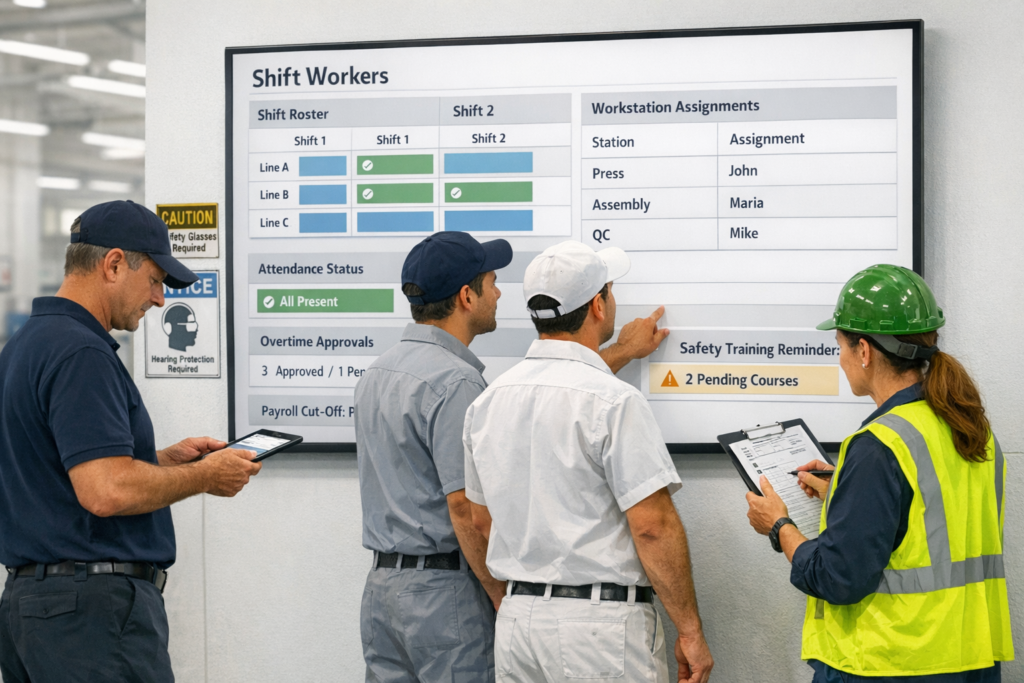
HRMS for Shift-Based Teams HRMS for Shift-Based Teams provides a centralized system for employee data, time, leave, payroll, and compliance tailored to this workforce model. It replaces scattered spreadsheets and inbox approvals with automated workflows and real-time visibility, so HR and managers can operate efficiently with fewer errors, stronger compliance, and a better employee experience. Why HR Management Is Challenging for Shift-Based Teams Limited visibility into when, where, and how employees are working. Heavy reliance on manual tracking through spreadsheets, chat, and email. Payroll calculations impacted by varying schedules, locations, and policies. Difficulty enforcing consistent HR policies across all teams and sites. Slow, untracked approvals for HR requests and changes. Common HR Challenges in Shift-Based Teams Environments Inconsistent attendance and time tracking across tools and channels. Errors in PTO, overtime, or shift payouts due to manual inputs. Fragmented employee records stored in multiple systems and documents. Compliance gaps when managing employees in different regions or entities. Limited reporting on workload, absenteeism, and employee engagement. How an HRMS Solves Shift-Based Teams Challenges An HRMS gives shift-based teams a single, structured platform for core HR processes instead of scattered tools and manual work. It standardizes how data is captured, approvals are routed, and policies are applied, improving accuracy, accountability, and transparency for HR, managers, and employees. With configurable workflows and role-based access, organizations can adapt the system to their operating model while still enforcing consistent HR standards across all teams and locations. Key HRMS Features for Shift-Based Teams Payroll Automation: Applies rules for pay cycles, allowances, overtime, and deductions based on the specific workforce structure. Attendance & Time Tracking: Captures time from web, mobile, or devices and consolidates it into a single source of truth. Leave & PTO Management: Manages balances, requests, and approvals with clear, centrally visible policies. Employee Self-Service: Enables employees to view payslips, request leave, and update details without emailing HR. Workflow & Approvals: Automates multi-step approvals for HR changes, time corrections, and requests. Compliance Tracking: Maintains audit trails, policy acknowledgements, and documentation in one place. HR Analytics & Reporting: Provides dashboards and reports on headcount, attendance, leave, and payroll metrics. Example HR Workflow for Shift-Based Teams HR creates or updates the employee record in the HRMS. Employees record time or attendance using approved channels. Leave and correction requests are submitted through self-service. Managers review and approve or reject requests in the HRMS. Approved data flows automatically into payroll calculations. HR reviews exception reports and finalizes payroll. Employees receive payslips and can raise queries through the same system. Compliance Considerations for Shift-Based Teams Ensuring work hours, breaks, and overtime align with applicable labor rules. Maintaining accurate records for audits and statutory reporting. Managing different holiday, leave, and pay rules across geographies. Controlling access to sensitive employee and payroll data. Keeping traceable logs of changes, approvals, and user activity in the HRMS. Business Benefits of Using HRMS for Shift-Based Teams Reduced payroll and attendance errors through automation. Higher HR productivity by eliminating repetitive, manual updates. Improved employee experience with faster responses and self-service. Better compliance posture with complete, auditable HR records. More informed decisions using real-time HR and workforce analytics. How HRMSNext Supports Shift-Based Teams HRMSNext provides a centralized platform to manage HR, payroll, and attendance for shift-based teams. It offers configurable workflows, multi-location support, and self-service capabilities that align with modern ways of working. HR and managers gain clear visibility into headcount, time, and costs while employees get a consistent experience across teams and locations. To explore detailed capabilities, workforce-specific implementations, and case studies, visit our Features page, Industries section, or explore insights in our Resource Center.and stay updated via our LinkedIn. Who Should Use an HRMS for Shift-Based Teams Organizations with shift-based teams as a primary operating model. Companies scaling headcount across multiple teams or locations. HR teams looking to reduce manual work and improve accuracy. Businesses subject to strict compliance or labor regulations. Get Started with HRMS for Shift-Based Teams Book a live demo to see how HRMSNext supports shift-based teams workflows. Talk to an HR automation specialist about your specific use case and challenges. Explore the full feature set and case studies on the HRMSNext platform.

Scroll to Top