Feature

features pages

Multi-Entity Payroll Software
Feature

Manage Payroll Across Companies | Multi-Entity Payroll Software | HRMSNext

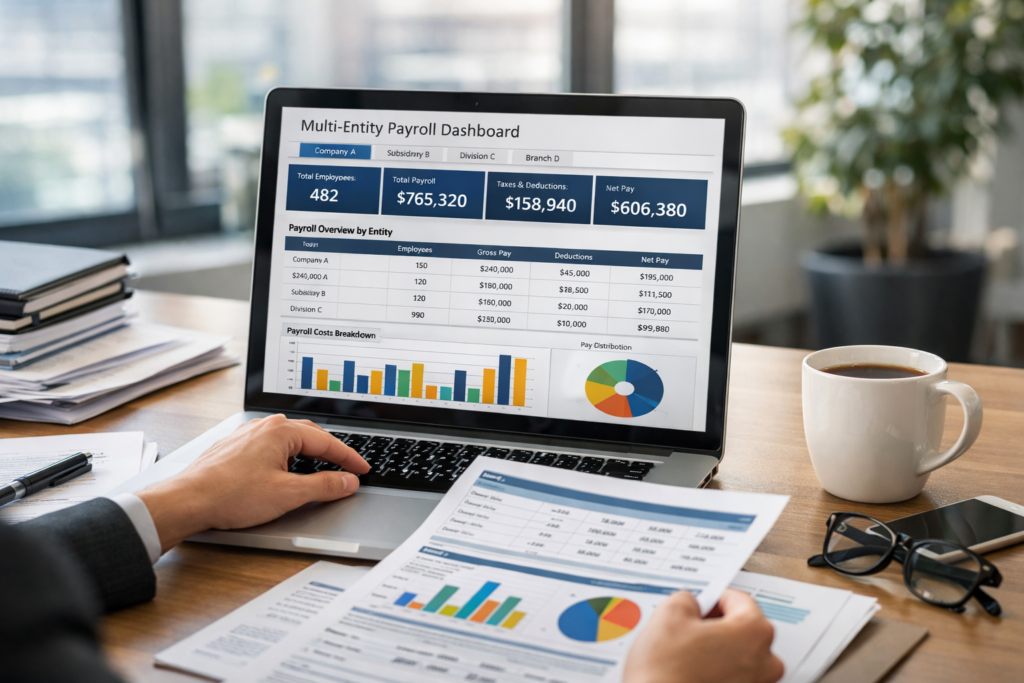
Manage Payroll Across Companies | Multi-Entity Payroll Software | HRMSNext Multi-entity payroll software allows organizations to manage payroll for multiple companies, subsidiaries, or business units within a single HR platform. HRMSNext multi-entity payroll automation helps businesses process payroll across entities while maintaining accurate financial and payroll records. The Challenge of Managing Payroll for Multiple Entities Many modern organizations operate through multiple companies, subsidiaries, or regional business units. Each entity may follow different payroll rules, compensation structures, and financial reporting requirements. HR teams often struggle to manage payroll for multiple entities using spreadsheets or separate payroll systems. This creates payroll inconsistencies, reporting challenges, and administrative workload. Organizations need a unified payroll system that can manage payroll across entities. Pain Points of Manual Multi-Entity Payroll Management Organizations managing payroll separately for multiple entities often experience several challenges. Multiple payroll systems for different companies Difficulty consolidating payroll reports Manual payroll data synchronization Payroll inconsistencies across entities Complex financial reporting These challenges increase as organizations expand across regions or business units. The Need for Multi-Entity Payroll Software Multi-entity payroll systems allow HR teams to manage payroll operations across multiple companies from a single platform. Each entity can have its own payroll policies, salary structures, and tax configurations. At the same time, HR leaders and finance teams can view consolidated payroll data across all entities. Organizations exploring modern HR automation platforms can review the full platform capabilities inside the HRMSNext features section. How HRMSNext Multi-Entity Payroll Solves This Problem HRMSNext provides a centralized payroll platform that supports payroll operations for multiple companies or business units. HR teams can configure each entity with its own payroll policies, compensation structures, and financial rules. Despite operating independently, payroll data from each entity can be consolidated into unified payroll reports. This simplifies payroll management while improving financial visibility. Key Capabilities of HRMSNext Multi-Entity Payroll Centralized Payroll Management HR teams can manage payroll for multiple entities from a single platform. Entity-Specific Payroll Rules Each entity can maintain independent payroll structures and compensation policies. Consolidated Payroll Reporting Finance teams can generate payroll reports across all entities. Secure Payroll Data Management Payroll data remains organized and secure within the HRMSNext platform. Benefits of Multi-Entity Payroll Automation Simplified payroll management across companies Reduced payroll errors Improved payroll visibility Better financial reporting Efficient HR operations Automation helps organizations manage complex payroll structures efficiently. HRMSNext for Growing Organizations Businesses expanding across multiple regions require HR platforms capable of managing complex workforce operations. HRMSNext supports workforce management across industries including healthcare, retail, logistics, and technology. Businesses can explore these solutions in the HRMSNext industry solutions page. Organizations operating across multiple cities and global regions can explore HRMSNext availability through the HRMSNext locations page. Real HR Scenarios Where Multi-Entity Payroll Helps Multi-entity payroll systems are essential for organizations with subsidiaries, regional branches, or multiple companies. Automated payroll systems allow HR teams to manage payroll operations efficiently across business units. To explore how HRMSNext supports real workforce scenarios, visit the HRMSNext use cases section. Learn More About HR Technology Modern HR platforms combine payroll automation with workforce intelligence. If you want to explore HR technology insights and workforce trends, visit the HRMSNext blog. Start Managing Multi-Entity Payroll with HRMSNext Managing payroll across multiple companies does not need to be complicated. HRMSNext multi-entity payroll automation helps organizations manage payroll operations across subsidiaries while maintaining payroll accuracy. If you want to see how HRMSNext can simplify payroll operations for your organization, connect with our team through the HRMSNext contact page. Multi-entity payroll software allows organizations to manage payroll operations for multiple companies or subsidiaries from one platform. HRMSNext multi-entity payroll helps businesses process payroll across entities while maintaining accurate payroll records. Frequently Asked Questions What is multi-entity payroll? Multi-entity payroll allows organizations to manage payroll for multiple companies or subsidiaries. Why do companies need multi-entity payroll software? It helps HR teams manage payroll operations across multiple business units efficiently. Can payroll software manage multiple companies? Yes. Platforms like HRMSNext support payroll operations for multiple entities. What are the challenges of multi-entity payroll? Challenges include managing payroll policies, compensation structures, and financial reporting across entities. How does HRMSNext simplify multi-entity payroll? HRMSNext centralizes payroll management while allowing entity-specific payroll configurations.
Consultant Payroll Software
Feature

Automate Consultant Payments | Consultant Payroll Software | HRMSNext

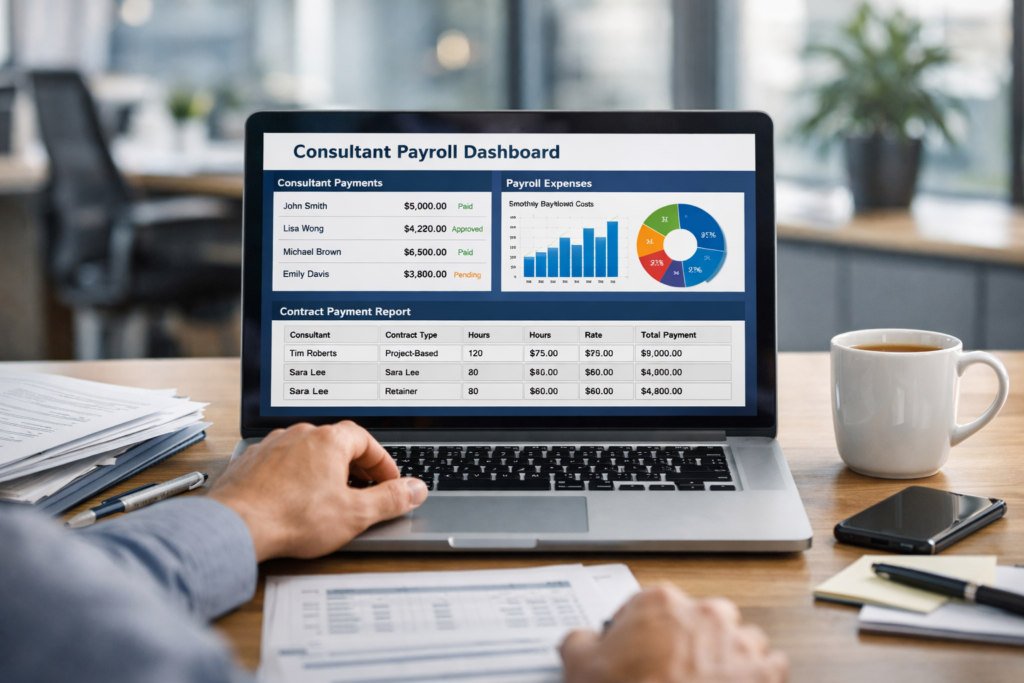
Automate Consultant Payments | Consultant Payroll Software | HRMSNext Consultant payroll software helps organizations manage payments for external consultants, advisors, and project specialists efficiently. HRMSNext consultant payroll automation simplifies consultant payment calculations and ensures accurate payroll processing. The Growing Role of Consultants in Modern Organizations Organizations today often rely on external consultants to provide specialized expertise. Consultants may work on projects related to strategy, technology implementation, financial planning, or business operations. Unlike full-time employees, consultants typically follow flexible compensation structures. Their payments may depend on project milestones, consulting hours, or contract terms. Managing consultant payments manually can quickly become complex for HR and finance teams. This is why many organizations adopt consultant payroll systems. Pain Points of Manual Consultant Payment Management Organizations that manage consultant payments manually often experience several operational challenges. Difficulty tracking consultant contracts Manual consultant payment calculations Inconsistent consultant payment schedules Errors in payroll records Lack of visibility into consultant compensation As organizations work with more consultants, these challenges increase. The Need for Consultant Payroll Automation Consultant payroll automation helps HR teams manage consultant compensation efficiently. The system records consultant agreements, payment terms, and project details. Once consultant work data is available, the system calculates payments automatically. This reduces manual calculations and improves payroll accuracy. Organizations exploring advanced HR automation tools can review the complete platform inside the HRMSNext features section. How HRMSNext Consultant Payroll Solves This Problem HRMSNext provides a dedicated consultant payroll management system integrated with the HR platform. The system allows HR teams to maintain consultant records including contract terms, consulting rates, and payment structures. Once consulting work is recorded, the system calculates consultant payments automatically. HR managers can review and approve consultant payroll before processing payments. Key Capabilities of HRMSNext Consultant Payroll Consultant Payment Tracking The system tracks consultant projects and payment details. Flexible Payment Structures Organizations can configure payment structures based on consulting contracts. Integrated Payroll Processing Consultant payments integrate directly with payroll systems. Consultant Payroll Reporting HR teams can generate reports showing consultant compensation and payroll expenses. Benefits of Consultant Payroll Automation Accurate consultant payments Reduced payroll errors Improved payment transparency Faster payroll processing Better contractor workforce management Automation ensures consultant compensation remains organized and accurate. HRMSNext for Flexible Workforce Operations Modern organizations require HR systems that support both employees and consultants. HRMSNext supports workforce management across industries including healthcare, logistics, retail, and technology. Businesses can explore these capabilities in the HRMSNext industry solutions section. Organizations operating across cities and global regions can explore HRMSNext availability through the HRMSNext locations page. Real HR Scenarios Where Consultant Payroll Helps Consultant payroll systems are especially useful for organizations working with project-based experts. Automated payroll helps HR teams manage consultant compensation efficiently. To explore how HRMSNext supports real workforce operations, visit the HRMSNext use cases section. Learn More About HR Automation HR automation platforms help organizations manage flexible workforce structures. If you want to explore HR technology insights and workforce trends, visit the HRMSNext blog. Start Managing Consultant Payroll with HRMSNext Manual consultant payment management increases payroll complexity. HRMSNext consultant payroll automation helps organizations manage consultant compensation efficiently. If you want to see how HRMSNext can simplify consultant payroll operations, connect with our team through the HRMSNext contact page. Consultant payroll software helps organizations manage payments for external consultants and project specialists. HRMSNext consultant payroll automation simplifies consultant payment calculations and ensures accurate payroll processing. Frequently Asked Questions What is consultant payroll? Consultant payroll manages payments for consultants working on projects or advisory roles. Why do companies need consultant payroll systems? Consultant payroll systems help manage flexible payment structures for consultants. Can payroll software manage consultant payments? Yes. HR platforms like HRMSNext automate consultant payroll processing. What challenges exist in consultant payroll? Challenges include managing contracts, payment schedules, and consulting rates. How does HRMSNext simplify consultant payroll? HRMSNext automates consultant payment calculations and integrates them with payroll systems.

Contractor Payroll Software
Feature

Manage Contractor Payments Easily | Contractor Payroll Software | HRMSNext

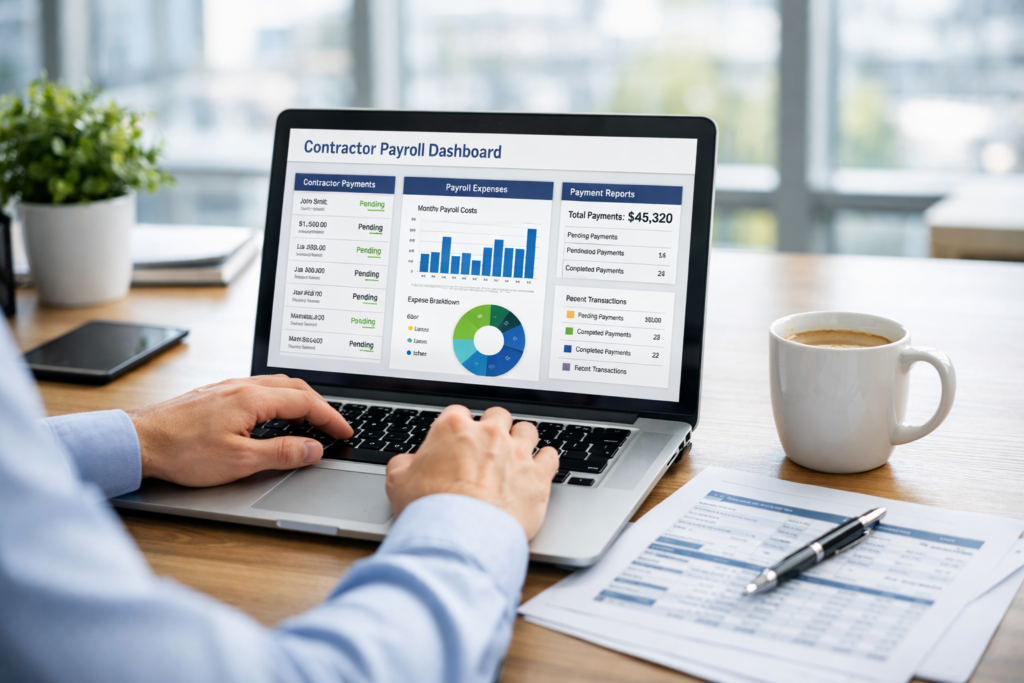
Manage Contractor Payments Easily | Contractor Payroll Software | HRMSNext Contractor payroll software helps organizations manage payments for freelancers, consultants, and contract workers efficiently. HRMSNext contractor payroll automation simplifies contractor payment calculations and ensures accurate payroll processing. The Rise of Contractor Workforce Modern organizations increasingly rely on contractors, freelancers, and consultants to support business operations. Contract workers provide flexibility and specialized expertise. However, managing contractor payments can be complex. Unlike full-time employees, contractors may follow different compensation structures, payment schedules, and tax rules. Many HR teams still manage contractor payments manually using spreadsheets or accounting tools. This manual process increases the risk of payment errors and delays. Pain Points of Manual Contractor Payroll Organizations managing contractor payroll manually often face several challenges. Difficulty tracking contractor payments Manual payment calculations Inconsistent payment schedules Errors in contractor payment records Lack of visibility into contractor payroll data As organizations hire more contract workers, these challenges increase. The Need for Contractor Payroll Automation Contractor payroll automation helps organizations manage contractor payments efficiently. The system tracks contractor work records, calculates payment amounts, and ensures payments follow predefined schedules. This reduces administrative workload and improves payroll accuracy. Organizations exploring modern HR automation platforms can review the full HR capabilities inside the HRMSNext features section. How HRMSNext Contractor Payroll Solves This Problem HRMSNext provides a dedicated contractor payroll system integrated within the HR platform. The system allows HR teams to manage contractor records, payment structures, and contract terms. Once contractor work details are recorded, the system calculates payments automatically. HR managers can review and approve contractor payments before processing payroll. Key Capabilities of HRMSNext Contractor Payroll Contractor Payment Management The system tracks contractor work hours and calculates payments automatically. Flexible Payment Structures Organizations can configure payment terms for different contractor roles. Integrated Payroll Processing Contractor payments integrate with payroll systems for efficient payment management. Payroll Reporting Managers can generate reports showing contractor payment records and payroll expenses. Benefits of Contractor Payroll Automation Accurate contractor payments Reduced payroll errors Improved payment transparency Faster payroll processing Better contractor workforce management Automation helps organizations manage contractor compensation efficiently. HRMSNext for Flexible Workforce Management Modern organizations require HR systems that support both employees and contract workers. HRMSNext supports workforce operations across industries including healthcare, logistics, retail, and technology. Businesses can explore these solutions in the HRMSNext industry solutions section. Organizations operating across cities and regions can explore HRMSNext global availability through the HRMSNext locations page. Real HR Scenarios Where Contractor Payroll Helps Companies working with freelancers, consultants, or project-based workers often require contractor payroll systems. Automated contractor payroll helps HR teams manage contract payments accurately. To explore how HRMSNext supports real workforce scenarios, visit the HRMSNext use cases section. Learn More About HR Automation Payroll technology continues to evolve as organizations adopt automation tools for workforce management. If you want to explore HR technology insights and workforce trends, visit the HRMSNext blog. Start Managing Contractor Payroll with HRMSNext Manual contractor payment management increases payroll complexity. HRMSNext contractor payroll automation helps organizations manage contractor compensation efficiently. If you want to see how HRMSNext can simplify contractor payroll management, connect with our team through the HRMSNext contact page. Contractor payroll software helps organizations manage payments for freelancers and contract workers. HRMSNext contractor payroll automation simplifies contractor payment calculations and ensures accurate payroll processing. Frequently Asked Questions What is contractor payroll? Contractor payroll manages payments for freelancers, consultants, and contract workers. Why do companies use contractor payroll systems? Contractor payroll systems help organizations manage contract worker payments efficiently. Can payroll software manage contractor payments? Yes. HR platforms like HRMSNext automate contractor payroll processing. What challenges exist in contractor payroll? Challenges include tracking contractor work, calculating payments, and managing payment schedules. How does HRMSNext simplify contractor payroll? HRMSNext automates contractor payment calculations and integrates them with payroll systems.

Payroll Analytics Software
Feature

Analyze Payroll Costs | Payroll Analytics Software | HRMSNext

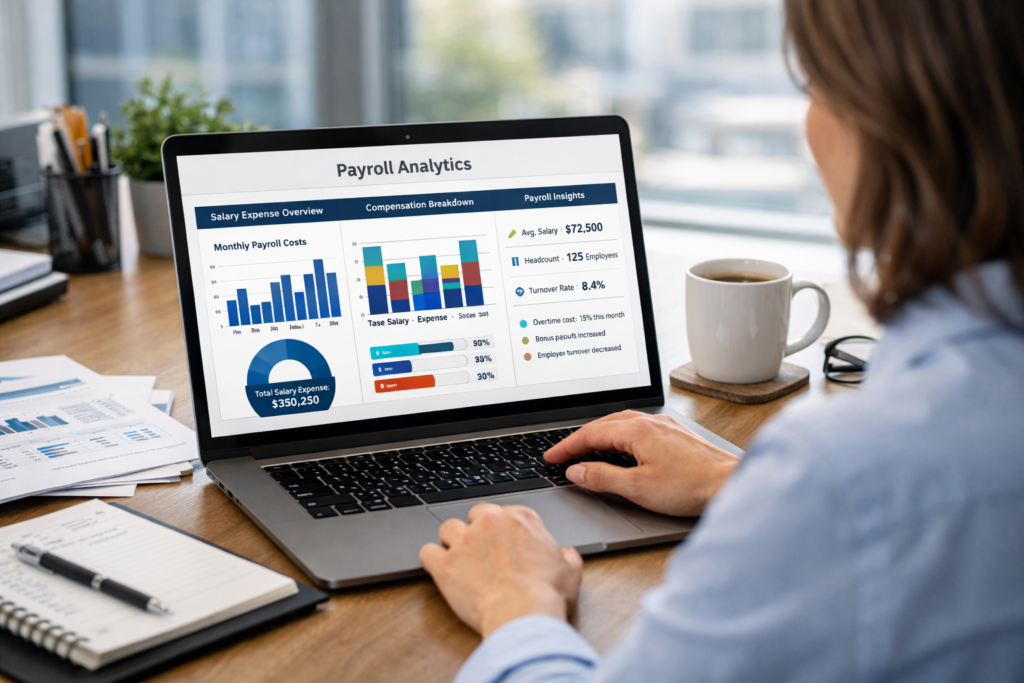
Analyze Payroll Costs | Payroll Analytics Software | HRMSNext Payroll analytics software helps organizations analyze salary expenses, payroll trends, and workforce compensation data. HRMSNext payroll analytics provides real-time payroll insights that help HR teams make better financial and workforce decisions. The Need for Payroll Insights Payroll is one of the largest operational expenses for most organizations. HR leaders and finance teams must understand payroll data to manage budgets effectively. However, traditional payroll systems often focus only on salary processing. They do not provide deeper insights into payroll trends, workforce costs, or compensation patterns. Without payroll analytics, organizations may struggle to understand where payroll costs are increasing or how compensation policies affect financial planning. This is why modern organizations rely on payroll analytics systems. Pain Points of Limited Payroll Visibility Organizations without payroll analytics tools often face several challenges. Lack of visibility into payroll expenses Difficulty analyzing workforce compensation trends Manual payroll reporting processes Limited insights into overtime and payroll costs Challenges in workforce budget planning Without clear payroll insights, strategic workforce planning becomes difficult. The Need for Payroll Analytics Software Payroll analytics software transforms payroll data into actionable insights. These systems analyze payroll expenses, employee compensation patterns, overtime costs, and workforce salary trends. HR teams and finance leaders can use this information to optimize payroll budgets and workforce planning. Organizations exploring advanced HR automation platforms can review the complete HR platform capabilities inside the HRMSNext features section. How HRMSNext Payroll Analytics Solves This Problem HRMSNext provides a powerful payroll analytics dashboard that helps organizations understand payroll performance. The system collects payroll data from payroll runs, attendance records, overtime calculations, and compensation structures. This data is presented through visual dashboards and reports. HR leaders can quickly identify payroll trends, salary distribution, and workforce cost patterns. Key Capabilities of HRMSNext Payroll Analytics Payroll Expense Analysis The system analyzes payroll expenses across departments and employee categories. Overtime and Compensation Insights HR teams can monitor overtime trends and compensation patterns. Real-Time Payroll Dashboards Payroll analytics dashboards provide real-time insights into workforce payroll costs. Payroll Reporting Managers can generate reports to support workforce planning and financial decisions. Benefits of Payroll Analytics Improved payroll cost visibility Better workforce budgeting Data-driven compensation decisions Faster payroll reporting Strategic workforce planning Payroll analytics helps organizations make informed HR and financial decisions. HRMSNext for Workforce Intelligence Modern organizations require HR systems that combine payroll processing with workforce insights. HRMSNext supports workforce operations across industries including healthcare, retail, logistics, and technology. Businesses can explore these solutions in the HRMSNext industry solutions section. Organizations operating across cities and global regions can explore HRMSNext availability through the HRMSNext locations page. Real HR Scenarios Where Payroll Analytics Helps Payroll analytics helps HR leaders understand workforce compensation trends and optimize payroll budgets. Organizations can identify payroll cost patterns and improve workforce planning using payroll data insights. To explore how HRMSNext supports real workforce operations, visit the HRMSNext use cases section. Learn More About HR Automation Payroll analytics is an important part of modern HR technology. If you want to explore HR technology insights and workforce trends, visit the HRMSNext blog. Start Analyzing Payroll Performance with HRMSNext Understanding payroll data helps organizations make better workforce decisions. HRMSNext payroll analytics helps organizations analyze payroll costs, track compensation trends, and improve workforce planning. If you want to see how HRMSNext can improve payroll visibility, connect with our team through the HRMSNext contact page. Payroll analytics software provides insights into salary expenses, workforce compensation trends, and payroll performance. HRMSNext payroll analytics helps organizations analyze payroll costs and make better HR decisions. Frequently Asked Questions What is payroll analytics? Payroll analytics analyzes payroll data to understand workforce compensation trends and payroll costs. Why is payroll analytics important? Payroll analytics helps organizations monitor payroll expenses and improve workforce planning. Can payroll software generate analytics reports? Yes. HR platforms like HRMSNext provide payroll dashboards and analytics reports. What insights can payroll analytics provide? Payroll analytics provides insights into salary expenses, overtime trends, and compensation patterns. How does HRMSNext support payroll analytics? HRMSNext provides real-time payroll dashboards and workforce compensation reports.

Payroll Audit Trail
Feature

Track Every Payroll Change | Payroll Audit Trail Software | HRMSNext

Track Every Payroll Change | Payroll Audit Trail Software | HRMSNext Payroll audit trail software records every payroll activity including salary changes, deductions, approvals, and payroll adjustments. HRMSNext payroll audit trail ensures payroll transparency and helps organizations track payroll changes accurately. The Importance of Payroll Transparency Payroll is one of the most sensitive operations in any organization. Every payroll entry must be accurate and traceable. HR teams regularly update payroll data such as salary revisions, overtime adjustments, tax deductions, and employee benefits. Without proper tracking, it becomes difficult to identify when changes occurred or who made them. This lack of visibility can create compliance issues and payroll disputes. Modern organizations rely on payroll audit trail systems to maintain transparency in payroll operations. Pain Points of Missing Payroll Audit Records Organizations without payroll tracking systems often face several operational risks. Difficulty identifying payroll changes Lack of payroll accountability Challenges during payroll audits Payroll disputes with employees Compliance risks during financial audits As payroll systems grow more complex, tracking payroll changes manually becomes almost impossible. The Need for Payroll Audit Trails Payroll audit trail systems record every payroll activity automatically. This includes salary updates, payroll approvals, deduction changes, and payroll processing history. Audit trails provide a complete record of payroll activities, helping HR teams track payroll changes and resolve payroll disputes. Organizations exploring advanced HR automation platforms can review the complete HR platform capabilities inside the HRMSNext features section. How HRMSNext Payroll Audit Trail Solves This Problem HRMSNext provides a built-in payroll audit trail that records every payroll event automatically. The system logs payroll actions such as salary updates, payroll approvals, payroll runs, and payroll adjustments. HR teams can review these records to understand how payroll changes occurred. This ensures payroll transparency and supports compliance with payroll regulations. Key Capabilities of HRMSNext Payroll Audit Trail Automatic Activity Tracking The system records every payroll activity including salary changes and payroll approvals. Payroll Change History HR teams can review the history of payroll updates and adjustments. Compliance Support Audit trails help organizations meet payroll compliance and regulatory requirements. Secure Payroll Records Payroll data remains securely stored within the HRMSNext platform. Benefits of Payroll Audit Trail Systems Improved payroll transparency Better payroll accountability Faster payroll dispute resolution Support for compliance audits Accurate payroll tracking Audit trails ensure payroll activities remain transparent and traceable. HRMSNext for Payroll Compliance and Transparency Modern organizations require HR platforms that provide visibility into payroll activities. HRMSNext supports workforce management across industries including healthcare, retail, logistics, and technology. Businesses can explore these solutions in the HRMSNext industry solutions page. Organizations operating across cities and global regions can explore HRMSNext availability through the HRMSNext locations page. Real HR Scenarios Where Payroll Audit Trails Help Payroll audit trails are especially useful when organizations undergo financial audits or payroll reviews. These systems help HR teams identify payroll changes and maintain accurate payroll records. To explore how HRMSNext supports real workforce operations, visit the HRMSNext use cases section. Learn More About Payroll Automation Payroll technology continues to evolve as organizations adopt automation tools for workforce and payroll management. If you want to explore HR technology insights and payroll best practices, visit the HRMSNext blog. Start Tracking Payroll Activities with HRMSNext Manual payroll tracking increases the risk of payroll errors and compliance issues. HRMSNext payroll audit trail helps organizations track payroll changes and maintain accurate payroll records. If you want to see how HRMSNext can improve payroll transparency, connect with our team through the HRMSNext contact page. Payroll audit trail software records every payroll activity including salary updates, deductions, approvals, and payroll adjustments. HRMSNext payroll audit trail helps organizations maintain payroll transparency and compliance. Frequently Asked Questions What is a payroll audit trail? A payroll audit trail records all payroll activities including salary updates and payroll adjustments. Why are payroll audit trails important? They help organizations track payroll changes and maintain compliance. Can payroll software track payroll history? Yes. Payroll systems like HRMSNext automatically record payroll activities. How do audit trails support payroll compliance? Audit trails provide documented records of payroll actions during financial audits. How does HRMSNext manage payroll tracking? HRMSNext automatically logs payroll activities and maintains secure payroll records.

Payroll Payslip Generator
Feature

Generate Digital Payslips Automatically | Payroll Payslip Software | HRMSNext

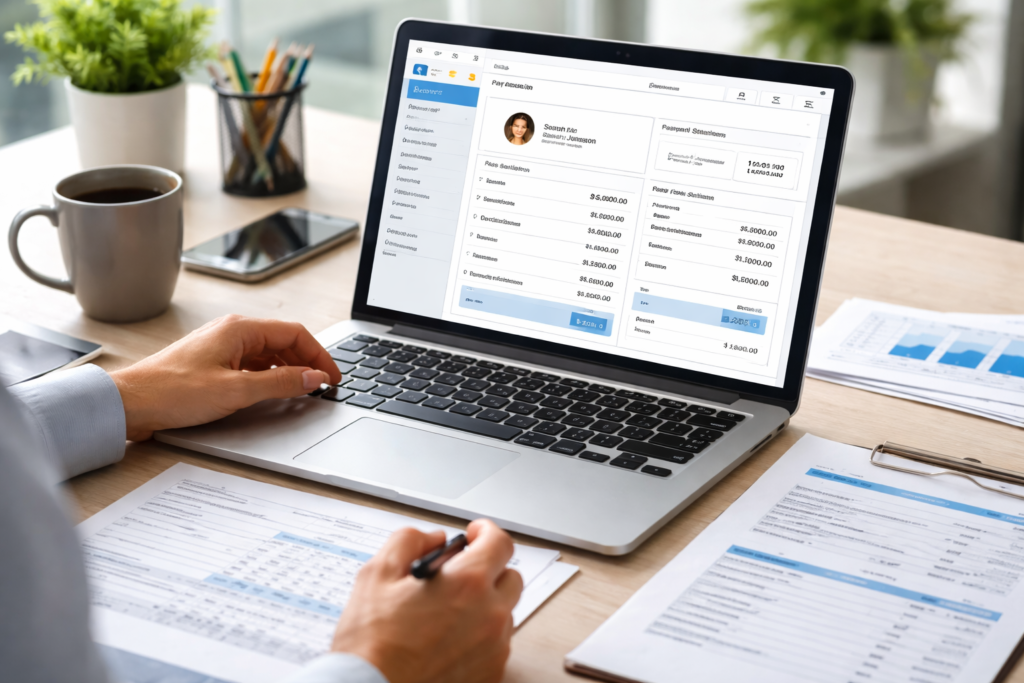
Generate Digital Payslips Automatically | Payroll Payslip Software | HRMSNext Payroll payslip software helps organizations automatically generate employee payslips that include salary details, deductions, tax information, and net pay. HRMSNext payslip automation simplifies payroll documentation and ensures employees receive accurate salary statements. The Importance of Accurate Payslips Payslips are an essential part of payroll management. Employees rely on payslips to understand their salary structure, deductions, taxes, and net pay. In many organizations, HR teams still generate payslips manually using spreadsheets or accounting tools. This process often requires exporting payroll data and formatting salary information manually. Manual payslip generation increases the risk of formatting errors, incorrect salary information, and delayed distribution. Employees expect transparent payroll records. This is why modern organizations use automated payslip generation systems. Pain Points of Manual Payslip Generation Organizations generating payslips manually often experience several challenges. Time-consuming payslip preparation Manual payroll data entry Formatting errors in salary statements Delayed payslip distribution Lack of payroll transparency As employee count increases, manually generating payslips becomes inefficient. The Need for Automated Payslip Generation Payslip automation helps HR teams generate salary statements automatically after payroll processing. The system extracts payroll data and generates digital payslips with complete salary breakdowns. Employees can access these payslips through secure employee portals. Organizations exploring advanced payroll automation can review the complete HR platform capabilities inside the HRMSNext features section. How HRMSNext Payslip Generator Solves This Problem HRMSNext provides an automated payslip generator integrated directly with payroll processing. Once payroll is processed, the system automatically generates digital payslips for each employee. These payslips include salary components such as basic pay, allowances, deductions, taxes, and net salary. Employees can access their payslips securely through the employee self-service portal. Key Capabilities of HRMSNext Payslip Generator Automatic Payslip Generation The system automatically generates payslips after payroll processing. Digital Payslip Access Employees can download or view payslips through the employee portal. Secure Payroll Documentation Payslip data remains protected through secure payroll systems. Payroll Record Management HR teams can maintain historical payroll records and salary documentation. Benefits of Payslip Automation Faster payslip generation Improved payroll transparency Reduced HR administrative workload Accurate salary documentation Secure payroll records Automation ensures employees receive accurate payroll documentation every pay cycle. HRMSNext for Modern Payroll Operations Modern organizations require HR platforms that simplify payroll documentation and workforce management. HRMSNext supports workforce management across industries including healthcare, retail, logistics, and technology. Businesses can explore these capabilities in the HRMSNext industry solutions page. Companies operating across cities and regions can explore HRMSNext availability across global locations in the HRMSNext locations page. Real HR Scenarios Where Payslip Automation Helps Organizations with large workforces must distribute payroll documentation every pay cycle. Automated payslip generation ensures employees receive accurate salary statements without delays. To explore how HRMSNext supports real workforce scenarios, visit the HRMSNext use cases section. Learn More About Payroll Automation Payroll automation helps organizations manage workforce compensation more efficiently. If you want to explore HR technology insights and payroll best practices, visit the HRMSNext blog. Start Generating Payslips Automatically with HRMSNext Manual payslip generation increases administrative workload and payroll errors. HRMSNext payslip automation helps organizations generate accurate salary statements automatically. If you want to see how HRMSNext can simplify payroll documentation, connect with our team through the HRMSNext contact page. Payroll payslip software automatically generates digital salary statements that include salary breakdowns, deductions, and taxes. HRMSNext payslip automation simplifies payroll documentation and ensures employees receive accurate payslips every pay cycle. Frequently Asked Questions What is a payroll payslip generator? A payroll payslip generator automatically creates salary statements for employees after payroll processing. Why are payslips important? Payslips provide employees with detailed information about their salary and deductions. Can payroll software generate payslips automatically? Yes. HR platforms like HRMSNext generate payslips automatically after payroll runs. Are digital payslips secure? Yes. Payroll systems store payslips securely and allow employees to access them through protected portals. How does HRMSNext simplify payslip management? HRMSNext automatically generates digital payslips and stores payroll records securely.

Salary Arrears Calculation
Feature

Automate Payroll Arrears Calculations | Salary Arrears Management | HRMSNext

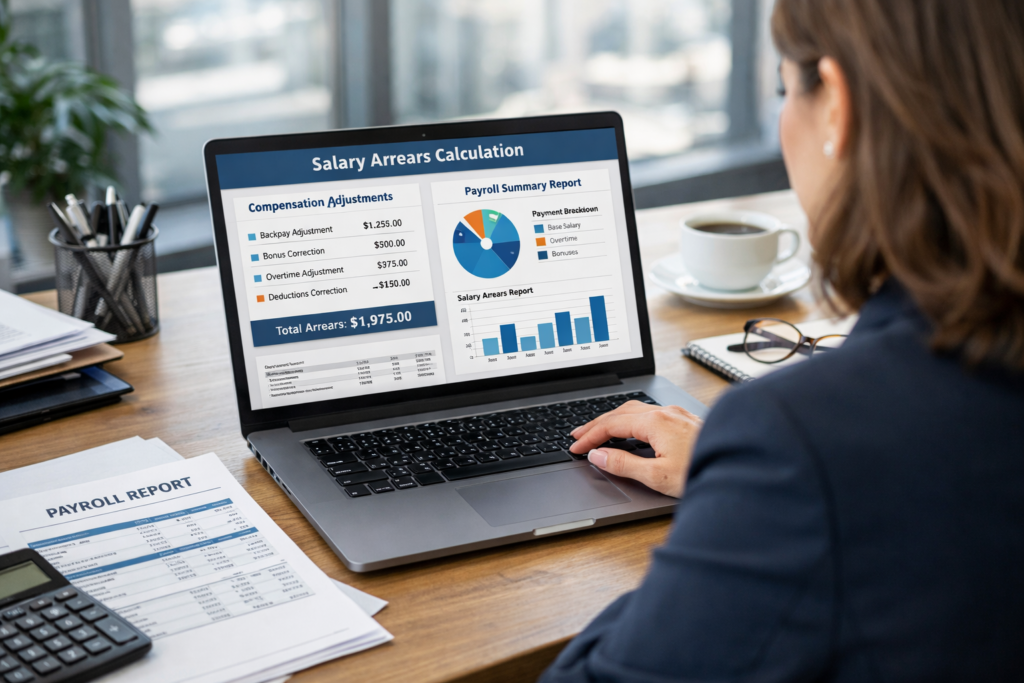
Automate Payroll Arrears Calculations | Salary Arrears Management | HRMSNext Payroll arrears calculation software helps organizations automatically calculate unpaid salary differences when compensation changes occur. HRMSNext arrears automation simplifies salary corrections and ensures employees receive accurate payments. The Challenge of Managing Salary Arrears In many organizations, salary adjustments do not always occur immediately. Sometimes promotions, salary revisions, or policy changes happen after payroll processing. When this occurs, employees may need to receive additional compensation for previous months. This additional payment is known as salary arrears. Calculating arrears manually can become complicated. HR teams must determine the difference between previous salaries and updated salary structures. Without automation, these calculations may lead to payroll errors and incorrect compensation. Pain Points of Manual Arrears Calculations Organizations calculating salary arrears manually often face several operational challenges. Difficulty identifying arrears periods Manual salary difference calculations Payroll errors due to incorrect adjustments Complex payroll reconciliation Lack of transparency in payroll corrections As payroll complexity increases, manual arrears calculations become difficult to manage. The Need for Arrears Calculation Automation Automated arrears calculation helps HR teams manage payroll adjustments efficiently. The system automatically identifies salary revisions and calculates the difference between previous salary payments and updated compensation. This difference is then included in the next payroll cycle. Organizations exploring modern HR automation systems can review the complete platform capabilities inside the HRMSNext features section. How HRMSNext Arrears Calculation Solves This Problem HRMSNext provides automated salary arrears management within the payroll system. The system detects compensation changes and calculates arrears automatically. HR managers can review the calculated arrears before payroll processing. Once approved, the arrears amount integrates directly with payroll calculations to ensure employees receive accurate payments. Key Capabilities of HRMSNext Arrears Calculation Automatic Salary Difference Calculation The system calculates arrears automatically when salary revisions occur. Payroll Integration Arrears calculations integrate directly with payroll processing. Payroll Adjustment Tracking HR teams can track arrears adjustments and payroll corrections. Payroll Reports Managers can generate reports to monitor salary revisions and arrears payments. Benefits of Payroll Arrears Automation Accurate salary adjustments Reduced payroll errors Improved payroll transparency Faster payroll reconciliation Simplified payroll management Automation helps organizations maintain accurate payroll records. HRMSNext for Accurate Payroll Operations Modern organizations require payroll systems capable of managing compensation adjustments. HRMSNext supports workforce operations across industries including healthcare, retail, logistics, and technology. Businesses can explore these capabilities in the HRMSNext industry solutions section. Companies operating across multiple cities and regions can explore HRMSNext availability across global locations in the HRMSNext locations page. Real HR Scenarios Where Arrears Automation Helps Arrears adjustments commonly occur during promotions, salary revisions, or compensation policy updates. Automated arrears calculations help HR teams manage these changes accurately. To explore how HRMSNext supports real workforce scenarios, visit the HRMSNext use cases section. Learn More About Payroll Automation Payroll automation helps organizations maintain accurate compensation management. If you want to explore HR technology insights and payroll best practices, visit the HRMSNext blog. Start Managing Salary Arrears with HRMSNext Manual salary adjustments create unnecessary payroll complexity. HRMSNext arrears calculation automation helps organizations manage payroll corrections efficiently. If you want to see how HRMSNext can simplify payroll operations, connect with our team through the HRMSNext contact page. Payroll arrears calculation software automatically calculates unpaid salary differences when compensation changes occur. HRMSNext arrears automation ensures accurate payroll adjustments and simplifies salary corrections. Frequently Asked Questions What are salary arrears? Salary arrears are payments made to employees when salary revisions apply to previous payroll periods. Why do arrears payments occur? Arrears occur due to promotions, salary revisions, or delayed payroll updates. Can payroll software calculate arrears automatically? Yes. Payroll platforms like HRMSNext automatically calculate salary arrears. Why is arrears automation important? Automation improves payroll accuracy and reduces manual payroll adjustments. How does HRMSNext manage arrears calculations? HRMSNext automatically detects salary revisions and calculates arrears for payroll processing.

Retroactive Payroll Adjustments
Feature

Automate Retroactive Payroll Adjustments | Retro Pay Management | HRMSNext

Automate Retroactive Payroll Adjustments | Retro Pay Management | HRMSNext Retroactive pay management software helps organizations correct salary payments when payroll adjustments occur after payroll processing. HRMSNext retroactive payroll automation automatically calculates salary differences and updates payroll records accurately. The Problem of Payroll Adjustments After Salary Processing Payroll processing depends on accurate employee records. However, sometimes payroll adjustments occur after the salary has already been processed. For example, a salary revision may be approved after payroll runs, or overtime hours might be updated later. HR teams must then adjust payroll to ensure employees receive the correct compensation. Managing these corrections manually can become complicated. HR teams must identify the salary difference, calculate the adjustment amount, and include the correction in the next payroll cycle. Without automation, retroactive payroll adjustments can lead to calculation errors and payroll confusion. Pain Points of Manual Retroactive Pay Calculations Organizations handling retroactive pay manually often experience several challenges. Difficulty identifying payroll adjustments Manual salary recalculations Payroll errors caused by incorrect adjustments Complex payroll reconciliation Lack of transparency in payroll corrections As organizations grow, these manual adjustments increase payroll complexity. The Need for Retroactive Payroll Automation Retroactive payroll automation helps HR teams correct payroll discrepancies efficiently. Automated payroll systems identify salary adjustments and calculate the difference between previously paid salaries and updated compensation. This difference is automatically included in the next payroll cycle. Organizations exploring advanced payroll automation tools can review the complete HR platform inside the HRMSNext features section. How HRMSNext Retroactive Pay Automation Solves This Problem HRMSNext provides an automated retroactive pay system designed to simplify payroll adjustments. The system automatically detects salary changes, updated overtime hours, or compensation adjustments. It calculates the difference between previous payroll payments and the corrected amount. This adjustment automatically integrates with the next payroll cycle, ensuring employees receive the correct compensation. Key Capabilities of HRMSNext Retro Pay Management Automatic Adjustment Calculations The system calculates payroll adjustments automatically based on updated employee records. Seamless Payroll Integration Retroactive pay adjustments integrate directly with payroll processing. Payroll Correction Tracking HR managers can track payroll corrections and salary adjustments. Payroll Reports Payroll reports provide visibility into salary adjustments and compensation changes. Benefits of Retroactive Pay Automation Accurate payroll adjustments Reduced payroll errors Improved payroll transparency Faster payroll corrections Simplified payroll reconciliation Automation ensures payroll corrections remain accurate and transparent. HRMSNext for Payroll Accuracy and Compliance Modern organizations require payroll systems that support compensation changes and payroll corrections. HRMSNext supports workforce management across industries including healthcare, retail, logistics, and technology. Businesses can explore these capabilities in the HRMSNext industry solutions page. Organizations operating across cities and regions can explore HRMSNext global availability by visiting the HRMSNext locations page. Real HR Scenarios Where Retroactive Pay Helps Retroactive pay adjustments are common when salary revisions or payroll corrections occur after payroll processing. Automated payroll systems help HR teams manage these corrections efficiently. To explore how HRMSNext supports real workforce scenarios, visit the HRMSNext use cases section. Learn More About Payroll Automation Payroll automation helps organizations maintain accurate compensation management. If you want to explore HR technology insights and payroll best practices, visit the HRMSNext blog. Start Managing Retroactive Payroll with HRMSNext Manual payroll corrections increase payroll complexity and administrative workload. HRMSNext retroactive pay automation helps organizations manage payroll adjustments accurately and efficiently. If you want to see how HRMSNext can improve payroll accuracy, connect with our team through the HRMSNext contact page. Retroactive pay automation helps organizations correct payroll adjustments after payroll processing. HRMSNext retroactive payroll management automatically calculates salary differences and ensures accurate payroll corrections. Frequently Asked Questions What is retroactive pay? Retroactive pay is a payroll adjustment used to correct salary payments after payroll processing. Why do payroll adjustments happen? Adjustments may occur due to salary revisions, overtime updates, or payroll corrections. Can payroll software calculate retroactive pay automatically? Yes. HR platforms like HRMSNext automatically calculate payroll adjustments. Why is retroactive pay automation important? Automation improves payroll accuracy and reduces manual payroll corrections. How does HRMSNext manage retroactive payroll? HRMSNext automatically calculates salary differences and integrates them into the next payroll cycle.

Pay Cycle Automation Software
Feature

Automate Pay Cycles | Payroll Pay Cycle Management System | HRMSNext

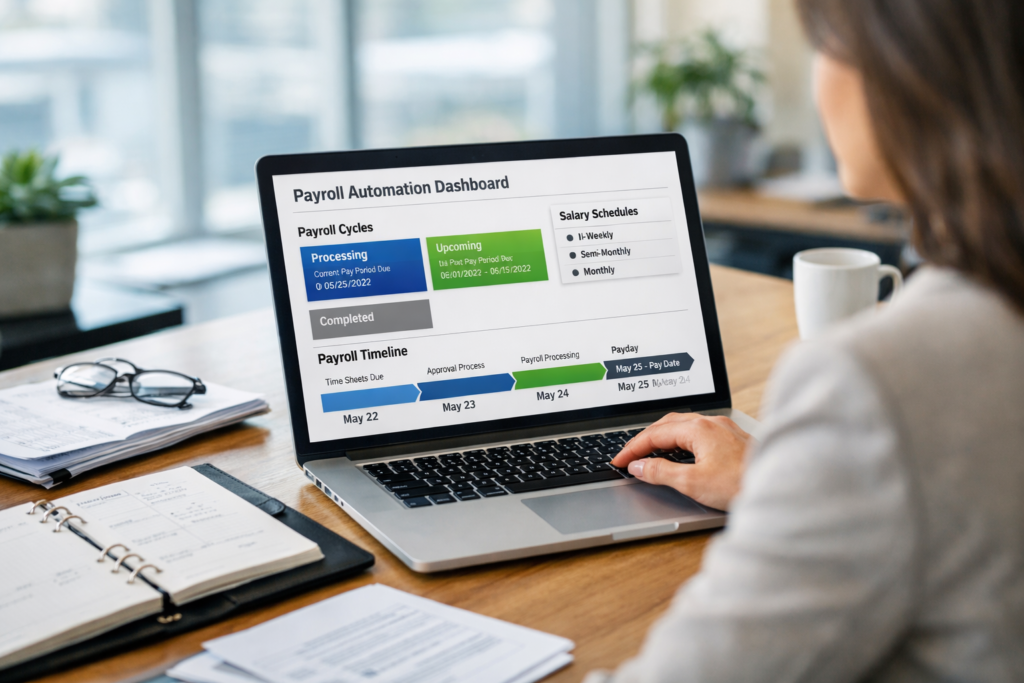
Automate Pay Cycles | Payroll Pay Cycle Management System | HRMSNext Pay cycle automation software helps organizations manage payroll cycles such as weekly, biweekly, or monthly salary payments automatically. HRMSNext pay cycle automation ensures payroll processing runs smoothly while improving payroll scheduling and financial planning. The Importance of Structured Pay Cycles Every organization follows a payroll cycle that determines when employees receive their salaries. Some companies process payroll weekly, while others follow biweekly or monthly pay cycles. Managing these pay cycles manually can become complicated as the workforce grows. HR teams must ensure payroll calculations, approvals, and salary transfers align with the defined pay cycle. If payroll timelines are not managed properly, salary payments may be delayed, creating dissatisfaction among employees. This is why organizations adopt automated pay cycle management systems. Pain Points of Manual Pay Cycle Management Organizations managing payroll cycles manually often encounter operational challenges. Difficulty tracking different pay cycles Manual coordination of payroll approvals Delayed payroll processing Confusion between payroll schedules Lack of visibility into payroll timelines These challenges create unnecessary administrative workload for HR teams. The Need for Pay Cycle Automation Automated pay cycle systems help organizations manage payroll schedules efficiently. Payroll automation software automatically triggers payroll processing based on the configured pay cycle. This ensures salary calculations, approvals, and payments occur according to the organization’s payroll policies. Organizations exploring modern HR automation platforms can review the complete workforce capabilities inside the HRMSNext features section. How HRMSNext Pay Cycle Automation Solves This Problem HRMSNext provides an integrated pay cycle automation system that helps HR teams manage payroll schedules effectively. HR managers can configure different payroll cycles for different employee groups. Once configured, the system automatically triggers payroll runs based on the selected cycle. This ensures payroll calculations happen consistently and salary payments occur on time. The system also integrates with attendance tracking, payroll calculations, and financial reporting. Key Capabilities of HRMSNext Pay Cycle Automation Flexible Pay Cycle Configuration Organizations can configure weekly, biweekly, or monthly pay cycles depending on payroll policies. Automated Payroll Triggers The system automatically initiates payroll calculations based on the configured pay cycle. Integrated Payroll Processing Pay cycle automation integrates with attendance records and payroll calculations. Payroll Planning Reports HR teams can generate payroll reports to analyze payroll cycles and financial planning. Benefits of Pay Cycle Automation Consistent payroll scheduling Reduced payroll delays Improved payroll planning Better workforce financial management Reduced HR administrative workload Automation helps organizations maintain predictable payroll operations. HRMSNext for Workforce Payroll Operations Organizations today require HR platforms that support payroll automation and workforce management. HRMSNext supports workforce management across industries including healthcare, logistics, retail, and technology. Businesses can explore these capabilities in the HRMSNext industry solutions page. Companies operating across different cities and global business hubs can explore HRMSNext availability by visiting the HRMSNext locations page. Real HR Scenarios Where Pay Cycle Automation Helps Organizations with distributed teams often manage multiple pay cycles for different employee categories. Automated pay cycle management helps HR teams coordinate payroll processing efficiently. To understand how HRMSNext supports real workforce operations, explore detailed examples inside the HRMSNext use cases section. Learn More About Payroll Automation Payroll technology continues to evolve as organizations adopt automation tools for HR and workforce management. If you want to learn more about payroll technology and HR automation, explore insights available in the HRMSNext blog. Start Automating Pay Cycles with HRMSNext Manual payroll scheduling often creates confusion and delays. HRMSNext pay cycle automation helps organizations manage payroll schedules efficiently while ensuring salary payments happen on time. If you want to see how HRMSNext can improve payroll operations in your organization, connect with our team through the HRMSNext contact page. Pay cycle automation software helps organizations manage payroll cycles and salary payment schedules automatically. HRMSNext pay cycle automation ensures payroll processing happens on time while improving payroll planning and workforce financial management. Frequently Asked Questions What is pay cycle automation? Pay cycle automation helps organizations schedule payroll processing based on predefined payroll cycles. What types of pay cycles exist? Organizations commonly use weekly, biweekly, or monthly pay cycles. Why do companies automate pay cycles? Automation ensures payroll processing happens consistently and salary payments occur on time. Can payroll software manage multiple pay cycles? Yes. HR platforms like HRMSNext allow organizations to configure multiple pay cycles. How does HRMSNext simplify payroll scheduling? HRMSNext automatically triggers payroll calculations based on configured payroll cycles.

Payroll Calendar Management System
Feature

Automate Payroll Scheduling | Payroll Calendar Management System | HRMSNext

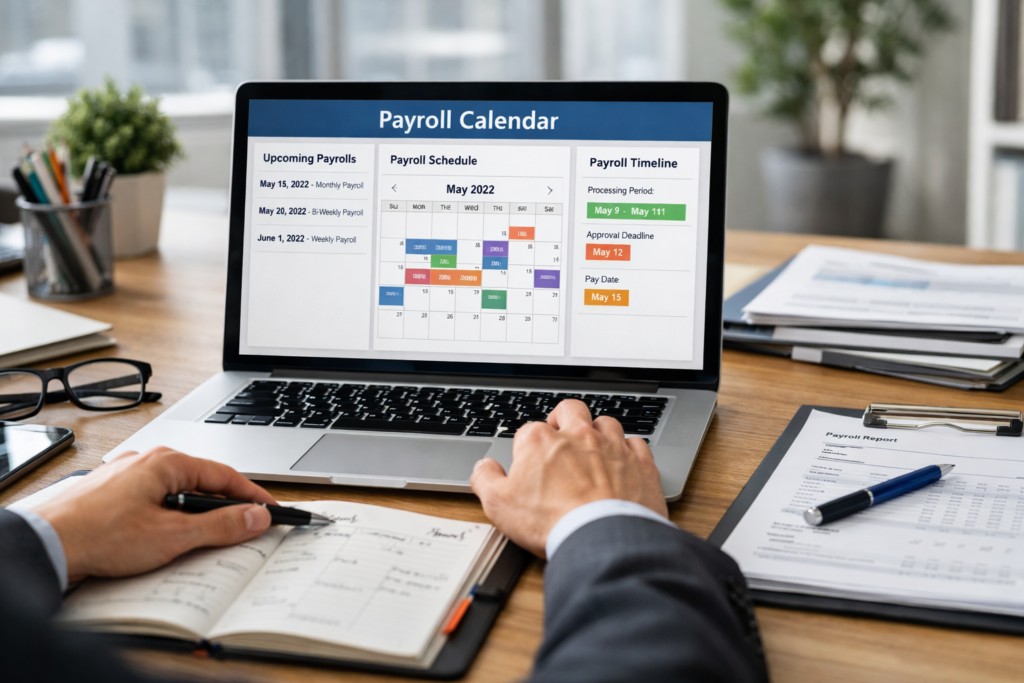
Automate Payroll Scheduling | Payroll Calendar Management System | HRMSNext A payroll calendar management system helps organizations schedule payroll cycles, salary processing dates, and payment timelines automatically. HRMSNext payroll calendar automation ensures payroll runs on time while improving payroll planning and workforce financial management. The Challenge of Managing Payroll Schedules Payroll processing requires careful planning. HR teams must ensure payroll calculations, approvals, and salary payments happen on time. Many organizations still rely on manual scheduling methods such as spreadsheets or email reminders to manage payroll timelines. This approach often leads to confusion. Payroll tasks such as attendance verification, tax calculations, and salary approvals must follow a clear timeline. If any step gets delayed, the entire payroll cycle may be affected. Employees expect salaries to arrive on schedule, which makes payroll timing critical. Pain Points of Manual Payroll Scheduling Organizations managing payroll schedules manually often face several challenges. Difficulty tracking payroll deadlines Missed payroll processing dates Manual reminders for payroll approvals Inconsistent payroll processing timelines Lack of visibility into payroll cycles These problems increase payroll stress for HR teams and create uncertainty for employees. The Need for Payroll Calendar Automation A payroll calendar system helps organizations organize payroll activities into structured cycles. Payroll software automatically schedules payroll runs, approval deadlines, and salary payment dates. This ensures that every payroll activity happens on time. Companies exploring modern HR automation platforms can review the full HR capabilities inside the HRMSNext features section. How HRMSNext Payroll Calendar Solves This Problem HRMSNext provides an integrated payroll calendar that helps HR teams plan payroll operations efficiently. The system allows HR managers to configure payroll schedules based on company payroll policies. Payroll calendars can include weekly, biweekly, or monthly payroll cycles. Once the payroll calendar is configured, the system automatically triggers payroll activities such as attendance collection, payroll calculations, and salary approvals. This automation ensures payroll processing happens smoothly and consistently. Key Capabilities of HRMSNext Payroll Calendar Automated Payroll Scheduling The system schedules payroll cycles automatically based on company payroll policies. Payroll Deadline Tracking HR teams can track payroll deadlines for approvals, payroll runs, and salary payments. Integrated Payroll Processing The payroll calendar integrates with payroll calculations, attendance systems, and HR records. Payroll Planning Reports Managers can review payroll schedules and workforce financial planning reports. Benefits of Payroll Calendar Automation Consistent payroll processing schedules Reduced payroll delays Improved payroll planning Better workforce financial management Reduced administrative workload Automation ensures payroll cycles remain predictable and organized. HRMSNext for Workforce Payroll Planning Modern organizations require HR systems that support payroll planning and workforce financial management. HRMSNext supports workforce operations across industries including healthcare, retail, logistics, and technology. Businesses can explore these solutions in the HRMSNext industry solutions page. Companies operating across multiple regions can explore HRMSNext availability across global locations by visiting the HRMSNext locations page. Real HR Scenarios Where Payroll Calendars Help Organizations with large workforces often manage multiple payroll cycles. A structured payroll calendar helps HR teams coordinate payroll processing while maintaining accurate payment schedules. To understand how HRMSNext supports real workforce operations, explore practical examples inside the HRMSNext use cases section. Learn More About Payroll Automation Payroll technology continues to evolve as organizations adopt automation tools for HR and payroll management. If you want to explore HR technology insights and payroll best practices, visit the HRMSNext blog. Start Managing Payroll Schedules with HRMSNext Manual payroll scheduling creates unnecessary complexity for HR teams. HRMSNext payroll calendar automation helps organizations organize payroll cycles and ensure salary payments happen on time. If you want to see how HRMSNext can simplify payroll planning, connect with our team through the HRMSNext contact page. A payroll calendar system organizes payroll cycles, salary payment schedules, and payroll deadlines into structured timelines. HRMSNext payroll calendar automation helps organizations plan payroll cycles efficiently and ensure employees receive salaries on time. Frequently Asked Questions What is a payroll calendar? A payroll calendar helps organizations schedule payroll cycles, salary payments, and payroll processing deadlines. Why do companies use payroll calendars? Payroll calendars help HR teams organize payroll activities and ensure salaries are processed on time. Can payroll software automate payroll schedules? Yes. HR platforms like HRMSNext automatically schedule payroll cycles and deadlines. Is payroll calendar automation useful for large organizations? Yes. Organizations with multiple payroll cycles benefit from automated payroll scheduling. How does HRMSNext simplify payroll scheduling? HRMSNext provides automated payroll calendars that coordinate payroll calculations, approvals, and salary payments.

Scroll to Top