Author name: jsburra

Bonus & Incentive Management System
Feature

Automate Employee Bonuses | Bonus & Incentive Management System | HRMSNext

Automate Employee Bonuses | Bonus & Incentive Management System | HRMSNext A bonus and incentive management system helps organizations automate employee bonus calculations based on performance metrics, compensation policies, and payroll rules. HRMSNext bonus and incentive automation simplifies reward management and ensures accurate bonus payouts during payroll processing. The Challenge of Managing Employee Bonuses Bonuses and incentives play a critical role in employee motivation. Organizations use bonus programs to reward performance, recognize achievements, and encourage productivity. However, managing bonuses manually can quickly become complicated. HR teams often track performance data in multiple spreadsheets. Managers submit bonus recommendations through emails or documents. Payroll teams must manually verify these values before processing payments. This process introduces delays and increases the risk of miscalculations. Employees expect transparent reward systems, but manual bonus management makes consistency difficult. Pain Points of Manual Bonus Management Organizations that rely on manual incentive calculations often experience several operational problems. Difficulty tracking employee performance rewards Manual calculation of bonus amounts Inconsistent bonus policies across departments Payroll errors due to incorrect incentive entries Lack of transparency in bonus distribution As companies grow and teams expand, these problems become more noticeable. The Need for Automated Bonus and Incentive Systems Automating bonus management helps HR teams maintain fairness and consistency. An incentive management system automatically calculates bonuses based on performance metrics, company policies, and compensation structures. Automation reduces manual work and ensures bonus payouts remain accurate. Companies exploring advanced HR automation capabilities can review the complete platform inside the HRMSNext features section. How HRMSNext Bonus & Incentive Engine Solves This Problem HRMSNext provides an integrated bonus and incentive engine designed for modern organizations. The platform allows HR teams to configure bonus policies and reward structures directly within the system. Once performance data becomes available, the system automatically calculates bonus payouts based on predefined rules. Approved bonuses then integrate directly with payroll processing, ensuring employees receive accurate rewards. Key Capabilities of HRMSNext Bonus & Incentive Engine Automated Bonus Calculations The system calculates employee bonuses automatically based on performance metrics and compensation rules. Flexible Incentive Policies Organizations can define bonus structures for teams, departments, or specific roles. Payroll Integration Bonus payments integrate directly with payroll calculations to ensure accurate salary payouts. Performance-Based Rewards The platform links incentives with employee performance data to maintain fairness and transparency. Benefits of Bonus and Incentive Automation Accurate bonus calculations Improved employee motivation Consistent reward policies Reduced administrative workload Better payroll accuracy Automation ensures reward programs remain efficient and transparent. HRMSNext for Modern Workforce Performance Management Employee rewards are often connected to performance management systems. HRMSNext supports workforce performance tracking across industries including retail, technology, healthcare, and logistics. Businesses can explore these solutions in the HRMSNext industry solutions section. Organizations operating across different regions can also explore HRMSNext availability across cities and global business hubs in the HRMSNext locations page. Real HR Scenarios Where Incentive Automation Helps Sales teams, project teams, and customer support teams often rely on incentive programs to encourage productivity. Automated incentive systems help organizations reward employees accurately while maintaining consistent policies. To understand how HRMSNext supports real workforce operations, explore implementation examples inside the HRMSNext use cases section. Learn More About HR Automation Modern HR platforms integrate payroll, performance management, and workforce analytics. If you want to learn more about HR automation trends and workforce technology insights, explore the articles available in the HRMSNext blog. Start Managing Employee Incentives with HRMSNext Managing bonuses manually creates administrative complexity and increases payroll errors. HRMSNext bonus and incentive automation helps organizations simplify reward management while ensuring employees receive accurate bonus payouts. If you want to see how HRMSNext can improve workforce reward programs, connect with our team through the HRMSNext contact page. A bonus and incentive management system automates employee reward calculations based on performance metrics and compensation policies. HRMSNext bonus and incentive automation simplifies reward management, improves payroll accuracy, and ensures employees receive fair incentive payouts. Frequently Asked Questions What is a bonus and incentive management system? A bonus and incentive management system automates the calculation and distribution of employee bonuses based on performance or company policies. Why do companies automate incentive management? Automation improves accuracy, transparency, and consistency in employee reward programs. Can payroll systems calculate bonuses automatically? Yes. HR platforms like HRMSNext automatically calculate bonuses and integrate them into payroll processing. Are incentive systems useful for sales teams? Yes. Sales teams benefit significantly from automated incentive systems that reward performance. How does HRMSNext simplify bonus management? HRMSNext automates bonus calculations and integrates reward payouts directly into payroll systems.

Overtime Automation Software
Feature

Stop Payroll Overtime Errors | Overtime Automation Software | HRMSNext

Stop Payroll Overtime Errors | Overtime Automation Software | HRMSNext Overtime automation software helps organizations automatically calculate employee overtime based on attendance records, work hours, and company overtime policies. HRMSNext overtime automation eliminates manual calculations and ensures accurate overtime payments during payroll processing. The Overtime Calculation Problem HR Teams Face Many organizations rely on overtime to support business operations. Employees work extra hours to meet deadlines, support customers, or complete urgent projects. However, calculating overtime manually often creates confusion. HR teams must review attendance records, verify shift schedules, and apply overtime policies manually. When overtime rules vary across departments or job roles, calculations become even more complicated. A small mistake in overtime calculation can result in payroll errors or employee dissatisfaction. This is why companies are adopting overtime automation systems. Pain Points of Manual Overtime Management Manual overtime calculations create several operational challenges for HR teams. Difficulty tracking employee overtime hours Manual verification of attendance records Inconsistent overtime calculations Payroll errors due to incorrect overtime entries Time-consuming overtime approvals As workforce size grows, these problems become harder to manage. The Need for Overtime Automation Overtime automation simplifies the process of tracking and calculating extra working hours. Instead of manually reviewing attendance logs, automated systems calculate overtime based on predefined company policies. These systems analyze employee work hours, shift schedules, and overtime thresholds automatically. Organizations looking to modernize HR operations can explore the complete workforce capabilities inside the HRMSNext features section. How HRMSNext Overtime Automation Solves This Problem HRMSNext integrates overtime tracking directly into the HR and payroll system. The platform automatically records employee work hours using attendance data and calculates overtime according to company policies. Once overtime hours are approved, the system sends this information directly to the payroll module for accurate salary calculations. This automation removes manual calculations and improves payroll accuracy. Key Capabilities of HRMSNext Overtime Automation Automatic Overtime Calculations The system automatically calculates overtime hours based on attendance and work schedules. Overtime Policy Management HR teams can define overtime rules, thresholds, and compensation structures. Integrated Payroll Processing Approved overtime hours automatically integrate with payroll calculations. Overtime Reporting Managers can generate overtime reports to monitor workforce productivity and labor costs. Benefits of Overtime Automation Accurate overtime calculations Reduced payroll errors Improved compliance with labor regulations Better workforce planning Reduced administrative workload Automation ensures overtime management remains transparent and efficient. HRMSNext for Modern Workforce Operations Organizations today operate across multiple industries and workforce environments. HRMSNext supports workforce management across healthcare, retail, logistics, and technology sectors. Businesses can explore these capabilities in the HRMSNext industry solutions page. Companies operating in multiple regions can also explore HRMSNext availability across different cities and countries by visiting the HRMSNext locations page. Real HR Scenarios Where Overtime Automation Helps Organizations with shift-based operations often rely on overtime to meet operational demands. Automated overtime tracking helps HR teams manage employee workloads more effectively. To understand how HRMSNext supports real HR scenarios, explore detailed implementation examples inside the HRMSNext use cases section. Learn More About Workforce Automation HR technology continues to evolve as organizations adopt automation tools for workforce management. If you want to learn more about HR automation trends and workforce technology, explore the articles available in the HRMSNext blog. Start Automating Overtime with HRMSNext Manual overtime calculations create payroll errors and administrative workload. HRMSNext overtime automation helps organizations track overtime hours accurately and ensure employees receive fair compensation. If you want to see how HRMSNext can improve workforce management in your organization, connect with our team through the HRMSNext contact page. Overtime automation software calculates employee overtime hours automatically using attendance data and predefined company policies. HRMSNext overtime automation simplifies overtime tracking, improves payroll accuracy, and ensures employees receive correct overtime compensation. Frequently Asked Questions What is overtime automation software? Overtime automation software automatically calculates employee overtime hours based on attendance records and overtime policies. Why is overtime automation important? Automation reduces manual calculations and ensures overtime compensation remains accurate. Can payroll software track overtime automatically? Yes. HR platforms like HRMSNext track overtime hours using attendance and shift data. How does overtime automation improve payroll accuracy? The system automatically calculates overtime and integrates the results directly into payroll processing. Is overtime automation useful for shift-based companies? Yes. Industries with shift-based operations benefit significantly from automated overtime tracking.

Payroll Tax Calculation Engine
Feature

Calculate Payroll Taxes Automatically | Payroll Tax Calculation Engine | HRMSNext

Calculate Payroll Taxes Automatically | Payroll Tax Calculation Engine | HRMSNext A payroll tax calculation engine automatically calculates employee payroll taxes, statutory deductions, and compliance requirements based on regional payroll laws. HRMSNext payroll tax automation simplifies tax calculations and ensures organizations remain compliant with payroll regulations while reducing payroll errors. The Hidden Complexity of Payroll Tax Calculations Payroll processing is not only about paying salaries. It also involves calculating taxes, statutory deductions, and compliance contributions. HR teams often deal with different tax rules, changing regulations, and multiple deduction structures. A single payroll run may require calculating income tax, employee benefits, insurance contributions, and government deductions. When companies rely on manual payroll spreadsheets, tax calculations become complicated. Even a small error in tax computation can lead to compliance issues or financial penalties. This challenge becomes even greater as organizations grow. To avoid these problems, companies adopt automated payroll tax calculation systems. Pain Points of Manual Payroll Tax Calculations Organizations that calculate payroll taxes manually face several difficulties. Complex tax rules that change frequently High risk of payroll tax miscalculations Manual updates to payroll spreadsheets Difficulty maintaining compliance with regulations Time-consuming payroll verification For HR managers, these issues create additional workload and increase payroll processing time. The Need for Payroll Tax Automation Automating payroll tax calculations helps organizations manage payroll more efficiently. A payroll tax engine automatically applies tax rules during payroll processing. The system calculates deductions based on employee salary, benefits, tax brackets, and statutory contributions. This automation ensures payroll remains accurate and compliant. Companies looking to modernize payroll systems often explore complete HR platforms that integrate payroll and HR operations. You can review these capabilities within the HRMSNext features section. How HRMSNext Payroll Tax Calculation Engine Solves This Problem HRMSNext introduces a smart payroll tax engine designed for modern workforce management. The system automatically calculates payroll taxes based on predefined tax rules and employee compensation structures. HR teams no longer need to manually update tax formulas or verify payroll calculations. The system handles deductions, contributions, and statutory payroll components automatically. This automation improves payroll accuracy and helps organizations maintain regulatory compliance. Key Capabilities of HRMSNext Payroll Tax Engine Automatic Tax Calculations The system automatically calculates payroll taxes based on salary structures and regional regulations. Compliance Management HRMSNext supports payroll compliance by applying statutory deductions and tax contributions automatically. Integrated Payroll Processing The tax engine integrates directly with payroll calculations, attendance data, and employee records. Payroll Reporting HR managers can generate payroll reports to track tax deductions and payroll expenses. Benefits of Payroll Tax Automation Improved payroll accuracy Reduced compliance risk Faster payroll processing Automatic tax rule updates Better payroll transparency Automation removes the complexity of payroll tax calculations and ensures payroll operations remain efficient. HRMSNext for Industry-Specific Workforce Needs Payroll requirements often differ between industries. Healthcare organizations, retail businesses, and logistics companies may have unique payroll rules. HRMSNext provides solutions designed for multiple sectors. Businesses can explore these industry-specific capabilities in the HRMSNext industry solutions page. Companies operating across different cities and regions can also explore HRMSNext availability through the HRMSNext global locations section. Real HR Scenarios Where Payroll Tax Automation Helps Payroll tax automation becomes critical for companies with growing workforces and multiple compensation structures. Organizations managing distributed teams or multi-location operations benefit significantly from automated payroll tax systems. To understand how HRMSNext supports different HR scenarios, explore real implementation examples inside the HRMSNext use cases section. Learn More About Payroll Automation and HR Technology Modern HR teams rely on automation to simplify workforce management. If you want to explore more HR technology insights and payroll automation trends, visit the HRMSNext blog. Start Simplifying Payroll Tax Calculations Managing payroll taxes manually creates unnecessary risk and complexity. HRMSNext payroll tax calculation engine helps organizations automate tax deductions, simplify compliance, and improve payroll accuracy. If you want to see how HRMSNext can improve payroll management for your organization, connect with our team through the HRMSNext contact page. A payroll tax calculation engine automates payroll tax deductions, statutory contributions, and compliance requirements during payroll processing. HRMSNext payroll tax automation simplifies payroll tax calculations, reduces payroll errors, and helps organizations maintain compliance with payroll regulations. Frequently Asked Questions What is a payroll tax calculation engine? A payroll tax calculation engine automatically calculates employee payroll taxes and deductions during payroll processing. Why is payroll tax automation important? Payroll tax automation reduces manual calculation errors and ensures payroll compliance with tax regulations. Can payroll software manage statutory deductions? Yes. Modern payroll systems automatically calculate statutory deductions and payroll contributions. How does HRMSNext simplify payroll tax calculations? HRMSNext uses automated payroll rules to calculate taxes and deductions during payroll processing. Is payroll tax automation useful for growing companies? Yes. Automation helps growing companies manage payroll complexity and compliance efficiently.

Direct Deposit Payroll System
Feature

Pay Employees Instantly | Direct Deposit Payroll System | HRMSNext

Pay Employees Instantly | Direct Deposit Payroll System | HRMSNext A direct deposit payroll system automatically transfers employee salaries directly to their bank accounts without manual payment processing. HRMSNext direct deposit payroll automation simplifies salary distribution, improves payroll accuracy, and ensures employees receive payments on time. The Payroll Payment Challenge Many Companies Face Salary day should be simple. Employees expect their salaries to arrive on time without delays. However, in many organizations payroll payments still require manual processing. HR teams export payroll data, prepare bank transfer files, verify account details, and submit payment instructions manually. This process increases administrative work and introduces risks. Even a small mistake in bank details can delay payments and create frustration for employees. When companies grow and payroll becomes larger, manual salary transfers become inefficient. This is why modern HR teams adopt direct deposit payroll systems. Pain Points of Manual Salary Payments Organizations that rely on manual payroll transfers often experience several operational challenges. Manual bank transfer preparation Higher risk of payment errors Delays in employee salary transfers Difficulty tracking payment confirmations Time-consuming payroll payment processing These problems increase administrative workload and create unnecessary payroll delays. The Need for Automated Payroll Payments To improve payroll efficiency, companies now rely on automated direct deposit systems. Direct deposit automation allows payroll systems to send salary payments directly to employee bank accounts without manual processing. Payroll systems generate secure bank transfer files that financial institutions can process automatically. Organizations exploring modern payroll automation systems can review the broader HR automation capabilities available in the HRMSNext features section. How HRMSNext Direct Deposit Payroll Solves This Problem HRMSNext introduces a fully automated payroll payment engine designed for modern HR operations. Once payroll calculations are complete, the system automatically prepares salary payment instructions. HR teams can generate bank transfer files directly from the payroll system, which simplifies salary distribution. This automated process ensures employees receive payments accurately and on time. The payroll engine also integrates with HR records, attendance data, and payroll reports, which improves payroll transparency and tracking. Key Capabilities of HRMSNext Direct Deposit Payroll Automated Bank Payment Files The system generates secure payroll payment files that banks can process quickly. Secure Salary Transfers Payroll transfers follow secure payroll processing protocols to protect employee salary data. Payment Tracking HR managers can track payroll payment status and verify salary transfers. Payroll Integration The direct deposit engine integrates with payroll calculations, attendance records, and employee compensation data. Benefits of Direct Deposit Payroll Systems Faster salary distribution Improved payroll accuracy Reduced payroll processing time Better employee satisfaction Secure payroll payments Automation ensures employees receive salaries consistently without manual intervention. HRMSNext for Modern Workforce Management Payroll automation becomes even more powerful when combined with a full HR management system. HRMSNext supports workforce management across industries including healthcare, technology, retail, and logistics. Businesses exploring industry-specific HR systems can learn more on the HRMSNext industry solutions page. Organizations operating across multiple cities or regions can also explore HRMSNext availability across global locations by visiting the HRMSNext locations page. Real HR Scenarios Where Direct Deposit Payroll Helps Companies with distributed teams, remote employees, or multi-branch operations benefit greatly from automated payroll payments. To understand how HRMSNext supports real HR operations, you can explore practical implementation examples in the HRMSNext use cases section. Stay Updated on HR Automation Trends HR technology continues to evolve as organizations adopt automated workforce management platforms. If you want to stay informed about HR automation, payroll trends, and workforce technology insights, explore the articles available on the HRMSNext blog. Start Automating Payroll Payments with HRMSNext Manual salary payments create unnecessary delays and risks for payroll teams. HRMSNext direct deposit payroll automation helps organizations simplify salary distribution and ensure employees receive payments accurately and on time. If you want to learn how HRMSNext can improve payroll operations in your organization, connect with our team through the HRMSNext contact page. Direct deposit payroll systems automate employee salary payments by transferring payroll directly to employee bank accounts. HRMSNext direct deposit payroll automation simplifies salary distribution, reduces payroll processing time, and improves payroll accuracy for modern organizations. Frequently Asked Questions What is a direct deposit payroll system? A direct deposit payroll system automatically transfers employee salaries to bank accounts without manual payment processing. Why do companies use direct deposit payroll? Direct deposit payroll systems improve payment accuracy and ensure employees receive salaries on time. Is direct deposit payroll secure? Yes. Modern payroll systems use secure payment processing protocols to protect salary transfers. Can payroll software generate bank transfer files? Yes. Payroll automation platforms like HRMSNext generate secure bank payment files that banks can process. How does HRMSNext simplify payroll payments? HRMSNext integrates payroll calculations with automated payment generation to simplify salary distribution.

Multi-Country Payroll Software
Feature

Run Global Payroll Without Errors | Multi-Country Payroll Software | HRMSNext

Run Global Payroll Without Errors | Multi-Country Payroll Software | HRMSNext Multi-country payroll software helps businesses process employee salaries across different countries while automatically managing tax rules, compliance requirements, and currency differences. HRMSNext multi-country payroll simplifies global payroll operations by automating calculations and ensuring compliance with international payroll regulations. The Challenge of Managing Payroll Across Countries When a company expands into new countries, growth brings new opportunities. However, expansion also introduces operational complexity. One of the biggest challenges appears in payroll management. Employees working in different countries follow different tax regulations, labor laws, and payroll policies. HR teams suddenly need to manage multiple payroll systems, currencies, and compliance rules. What once worked for a single office becomes difficult when employees work across regions. HR managers must ensure every employee receives the correct salary while following each country’s regulations. This is where multi-country payroll software becomes essential. The Pain Points of Global Payroll Management Organizations expanding internationally often face several payroll challenges. Different tax rules in each country Currency conversion complexities Local labor law compliance requirements Multiple payroll systems for different regions Difficulty consolidating payroll reports HR teams may rely on different vendors or manual processes to manage payroll in each country. This approach creates fragmented data and increases the risk of payroll errors. Why Traditional Payroll Systems Cannot Handle Global Payroll Traditional payroll systems were designed for single-country operations. They usually support one tax system and one regulatory environment. When organizations expand globally, these systems struggle to adapt. HR teams often manage payroll separately in each country, which leads to inconsistent processes and complex reporting. Modern organizations require a unified system capable of handling payroll across borders. The Solution: Multi-Country Payroll Automation Multi-country payroll automation allows organizations to process payroll for employees across different countries from a centralized platform. The system automatically manages: Country-specific tax calculations Currency conversions Compliance regulations Employee salary structures Payroll reporting This approach simplifies payroll operations while ensuring compliance with local regulations. Organizations exploring modern HR platforms can review the full HR capabilities offered in the HRMSNext features section. How HRMSNext Multi-Country Payroll Solves This Problem HRMSNext introduces a unified payroll system designed for companies with global teams. The platform integrates HR, attendance, payroll, and compliance management into one system. Instead of managing payroll separately in each region, HR teams can process global payroll from a single platform. HRMSNext automatically applies country-specific payroll rules, ensuring that salary calculations follow local tax regulations and labor policies. This centralized approach improves payroll accuracy while reducing administrative workload. Key Capabilities of HRMSNext Multi-Country Payroll Country-Specific Compliance Management The system supports payroll compliance requirements across different countries and regulatory environments. Automated Currency Handling Payroll calculations automatically adjust for different currencies and regional payment structures. Centralized Payroll Reporting HR leaders can generate consolidated payroll reports for the entire global workforce. Employee Payslip Access Employees across different countries can securely access their payslips through the employee portal. Benefits of Multi-Country Payroll Automation Simplified global payroll management Improved compliance with local regulations Centralized payroll reporting Reduced payroll errors Better visibility into workforce costs These benefits allow HR teams to focus more on workforce strategy rather than administrative payroll tasks. HRMSNext for Global Workforce Management Global organizations require HR systems that support distributed teams and multiple business environments. HRMSNext helps companies manage HR operations across different industries and workforce structures. You can explore how HRMSNext supports various business sectors in the HRMSNext industry solutions section. Businesses operating across different cities and regions can also explore HRMSNext availability across multiple global regions by visiting the HRMSNext locations page. Real HR Scenarios Where Multi-Country Payroll Helps Companies with remote teams, international branches, or global hiring strategies often require flexible payroll systems. To understand how organizations implement HRMSNext in real operational environments, you can explore detailed examples in the HRMSNext use cases section. Stay Updated on Global HR Trends Global workforce management continues to evolve as companies adopt automation and distributed work models. If you want to learn more about HR technology and workforce trends, explore insights available in the HRMSNext blog. Start Managing Global Payroll with HRMSNext Managing payroll across countries should not be complicated. HRMSNext multi-country payroll automation helps organizations simplify international payroll management while maintaining compliance and payroll accuracy. If you want to see how HRMSNext can support your global workforce operations, connect with the HRMSNext team through the contact page. Multi-country payroll software allows organizations to process employee salaries across different countries while managing compliance rules and tax systems automatically. HRMSNext multi-country payroll automation helps businesses manage global payroll operations from a centralized platform while ensuring payroll accuracy and regulatory compliance. Frequently Asked Questions What is multi-country payroll software? Multi-country payroll software helps organizations manage payroll for employees working in different countries while following each country’s tax and labor regulations. Why do companies need global payroll systems? Global payroll systems simplify payroll processing for international teams and ensure compliance with regional payroll regulations. Can multi-country payroll software handle different currencies? Yes. Modern payroll systems automatically manage currency conversions and country-specific payroll calculations. Is multi-country payroll useful for remote teams? Yes. Companies with distributed teams across different countries use multi-country payroll systems to manage global payroll operations. How does HRMSNext simplify global payroll? HRMSNext integrates HR, attendance, and payroll systems to automate payroll calculations and manage international payroll compliance.

Payroll Automation Software
Feature

Reduce Payroll Errors by 90% | Payroll Automation Software | HRMSNext

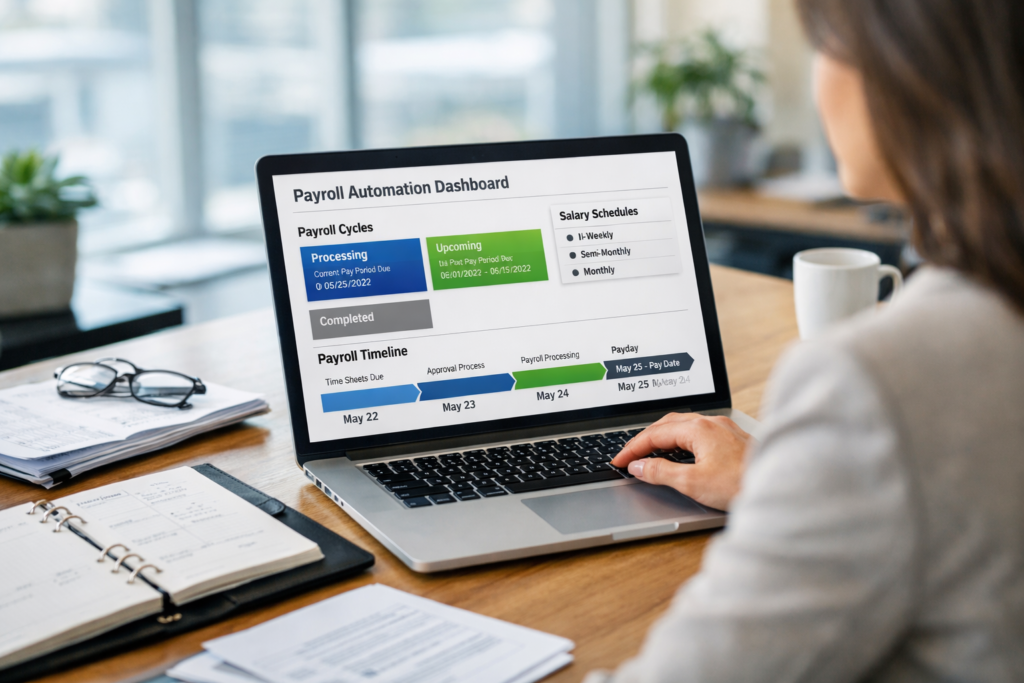
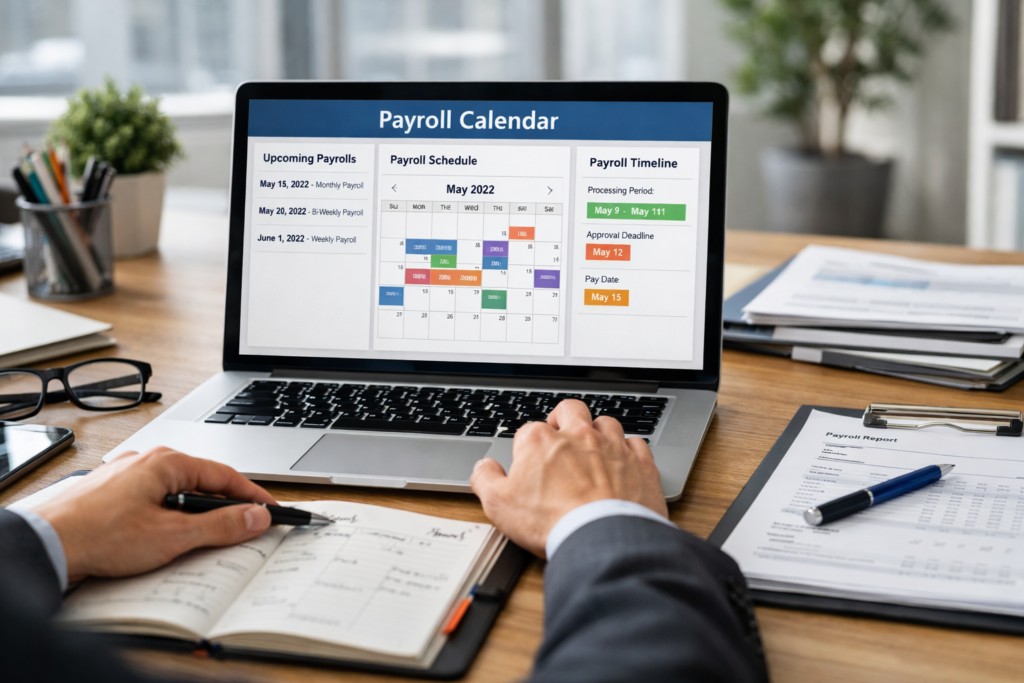
Reduce Payroll Errors by 90% | Payroll Automation Software | HRMSNext Payroll automation software helps organizations automatically calculate employee salaries, taxes, deductions, and reimbursements without manual spreadsheets. HRMSNext payroll automation simplifies payroll processing, improves compliance, and allows HR teams to run payroll faster with higher accuracy. The Payroll Problem Many HR Teams Still Face Every month, HR teams prepare for one of the most critical operations in the company — payroll processing. Spreadsheets open. Attendance records arrive from multiple departments. Leave balances must be verified. Overtime hours need manual checks. HR managers often spend several days ensuring that every salary calculation is correct. This manual process increases stress and creates unnecessary risks. A small mistake in a payroll formula can lead to incorrect salary payments. Employees depend on accurate payroll. HR teams want a smooth process. However, traditional payroll methods make this difficult. This challenge is why modern companies adopt payroll automation systems. The Real Pain Points of Manual Payroll Systems Manual payroll systems create operational difficulties for many organizations. Manual salary calculations increase the chance of payroll errors Payroll preparation takes several days every month HR teams must check multiple systems to gather employee data Compliance requirements become difficult to track Employees lack visibility into their salary breakdown As organizations grow, these problems increase. Payroll complexity grows with employee count, multiple departments, and different compensation structures. The Shift Toward Payroll Automation To solve these challenges, many companies are moving toward automated payroll solutions. Payroll automation systems connect attendance records, employee data, reimbursements, and tax rules into a single system. Once data enters the system, payroll calculations run automatically. This approach eliminates manual spreadsheet calculations and ensures consistent payroll processing. Companies looking to modernize their HR operations often start by exploring modern HR platforms and feature capabilities. You can explore the complete HR platform capabilities inside the HRMSNext features section. How HRMSNext Payroll Automation Solves This Problem HRMSNext introduces a modern payroll automation system designed for growing organizations. The platform connects HR data, attendance tracking, leave management, and payroll into one unified system. Instead of manually gathering payroll inputs, HRMSNext automatically pulls employee data from the HR database and attendance systems. The payroll engine then calculates salaries, taxes, deductions, and reimbursements automatically. This integrated system significantly reduces payroll preparation time while improving accuracy. Key Capabilities of HRMSNext Payroll Automation Automated Salary Calculations HRMSNext automatically calculates salaries based on attendance records, working hours, overtime rules, and employee compensation structures. Payroll Compliance Support The payroll engine supports compliance requirements and tax regulations to ensure that payroll follows local labor laws. Automated Payslip Generation Employees receive digital payslips through the HR portal, giving them transparent access to salary details. Payroll Reports and Insights HR managers can generate payroll reports and analyze payroll trends for better financial planning. Benefits of Payroll Automation for Businesses Higher payroll accuracy Faster payroll processing Improved compliance management Better employee transparency Reduced administrative workload Payroll automation allows HR teams to focus more on workforce development rather than administrative tasks. Real Business Scenarios Where Payroll Automation Helps Different organizations implement payroll automation for different operational needs. HRMSNext supports several workforce scenarios including distributed teams, multi-location companies, and growing startups. If you want to see how HRMSNext solves workforce challenges across different business environments, explore real implementation scenarios in the HRMSNext use cases section. HRMSNext Across Industries and Locations Payroll requirements differ across industries and geographic regions. Organizations in healthcare, retail, logistics, and technology often face different payroll challenges. HRMSNext provides solutions designed for multiple sectors. You can explore how HRMSNext supports businesses in different sectors by visiting the HRMSNext industry solutions page. HRMSNext also supports organizations across multiple cities and global business hubs. To explore HRMSNext availability across different regions, visit the HRMSNext locations page. Learn More About HR Technology and Workforce Trends HR technology continues to evolve as companies adopt automation and data-driven HR systems. If you want to learn more about HR technology, workforce automation, and HR best practices, explore the insights available on the HRMSNext blog. Start Automating Your Payroll with HRMSNext Payroll automation removes the complexity from salary processing and ensures consistent payroll accuracy. HRMSNext payroll automation helps organizations simplify payroll operations while improving compliance and employee satisfaction. If you want to see how HRMSNext payroll automation works for your organization, you can directly connect with the HRMSNext team through the contact page. Payroll automation simplifies salary calculations, tax management, and payroll reporting by replacing manual spreadsheets with automated HR systems. HRMSNext payroll automation integrates attendance, HR data, and payroll calculations to help organizations process payroll faster, reduce payroll errors, and maintain compliance. Frequently Asked Questions What is payroll automation software? Payroll automation software automatically calculates salaries, taxes, and deductions using integrated HR systems. How does payroll automation reduce payroll errors? Automated systems calculate payroll using predefined rules and employee data, which eliminates manual calculation mistakes. Is payroll automation useful for small businesses? Yes. Payroll automation helps small businesses simplify payroll operations and reduce administrative workload. Can payroll automation manage tax compliance? Modern payroll systems support compliance rules and help companies follow payroll regulations. How can companies start using payroll automation? Organizations can implement payroll automation by adopting HR platforms like HRMSNext that integrate payroll with HR and attendance systems.

Top HRMS Software in Reno, NV
Locations, USA

Top HRMS Software in Reno, NV

Top HRMS Software in Reno, NV Top HRMS Software in Reno, NV enables organizations to centralize employee records, automate HR workflows, and manage workforce operations efficiently using modern HR technology. Reno is a rapidly expanding economic hub in Nevada with strong industries in logistics, technology, manufacturing, and tourism. Businesses across these sectors manage growing teams that require structured HR management systems. As companies expand operations, manual HR processes can slow productivity and increase administrative complexity. Organizations therefore implement modern HR platforms to centralize workforce data and streamline HR workflows. Why Businesses Choose Top HRMS Software in Reno, NV Employers must maintain accurate employee documentation, attendance records, and HR reporting. A centralized HR platform simplifies these responsibilities and improves workforce transparency. Centralized employee lifecycle management Automated attendance and leave tracking Structured HR approval workflows Secure employee document management Compliance-ready workforce reporting Summary: HR platforms help Reno organizations automate HR operations, improve workforce visibility, and support scalable business growth. Key Capabilities of Modern HR Platforms Employee database management Attendance monitoring and reporting Role-based system access Integrated payroll preparation Workforce analytics dashboards How EHRMSNext Supports Reno Businesses EHRMSNext provides a scalable HR platform designed for modern organizations. The system centralizes HR workflows, employee records, and workforce reporting in a secure digital environment. Organizations implementing the Top HRMS Software in Reno, NV gain improved operational efficiency, streamlined HR management processes, and better workforce visibility. Next Steps United States HRMS Hub Explore Features Industries Use Cases Contact Us Book a Demo FAQs What is HRMS software? HRMS software helps organizations manage employee records, automate HR processes, and centralize workforce management. Why do companies use HR platforms? Companies implement HR platforms to streamline administrative tasks, improve workforce visibility, and maintain compliance with employment regulations. Can HR systems support multi-location companies? Yes. Modern HR systems scale with workforce growth and support organizations operating across multiple departments and locations. External reference: HRMSNext on LinkedIn

Best HRMS Software in Reno, NV
Locations, USA

Best HRMS Software in Reno, NV

Best HRMS Software in Reno, NV Best HRMS Software in Reno, NV helps organizations centralize employee management, automate HR workflows, and improve workforce efficiency using modern cloud-based HR technology. Reno is one of Nevada’s fastest-growing economic hubs with expanding industries in logistics, technology, manufacturing, and tourism. Businesses across these sectors employ growing teams that require structured HR management systems. As organizations expand their workforce, manual HR processes become inefficient and increase administrative workload. Companies therefore implement modern HR platforms that centralize employee data and automate workforce operations. Why Businesses Choose the Best HRMS Software in Reno, NV Employers must maintain accurate employee documentation, attendance records, and HR reporting. A centralized HR platform simplifies these responsibilities and improves workforce visibility. Centralized employee lifecycle management Automated attendance and leave tracking Structured HR approval workflows Secure employee document management Compliance-ready HR reporting Summary: HR platforms help Reno organizations automate HR operations, improve workforce transparency, and support scalable business growth. Key Capabilities of Modern HR Platforms Employee database management Attendance monitoring and reporting Role-based system access Integrated payroll preparation Workforce analytics dashboards How EHRMSNext Supports Reno Businesses EHRMSNext provides a scalable HR platform designed for modern organizations. The system centralizes HR workflows, employee records, and workforce reporting within a secure digital environment. Organizations implementing the Best HRMS Software in Reno, NV gain improved operational efficiency, streamlined HR management processes, and better workforce visibility. Next Steps United States HRMS Hub Explore Features Industries Use Cases Contact Us Book a Demo FAQs What is HRMS software? HRMS software helps organizations manage employee records, automate HR processes, and centralize workforce management. Why do businesses implement HR platforms? Companies implement HR platforms to streamline HR operations, improve workforce visibility, and maintain compliance with employment regulations. Can HR systems support growing organizations? Yes. Modern HR systems scale with workforce growth and support organizations operating across multiple departments and locations. External reference: HRMSNext on LinkedIn

Payroll Software in Reno, NV
Locations, USA

Payroll Software in Reno, NV

Payroll Software in Reno, NV Payroll Software in Reno, NV helps organizations automate salary processing, manage employee compensation, and maintain accurate payroll records using modern payroll management systems. Reno is one of Nevada’s fastest-growing economic centers, with expanding industries in logistics, technology, manufacturing, and tourism. Businesses across these sectors employ growing teams that require reliable payroll management systems. Manual payroll processing can increase administrative workload and lead to payroll errors. Companies therefore implement digital payroll platforms that streamline compensation management and improve payroll transparency. Why Businesses Need Payroll Software in Reno, NV Employers must maintain accurate payroll documentation, employee payment records, and tax reporting. A centralized payroll platform simplifies these responsibilities and improves payroll visibility. Automated payroll calculations Employee compensation management Payroll tax reporting and compliance Secure payroll documentation Payroll analytics and reporting Summary: Payroll platforms help Reno organizations automate payroll operations, reduce administrative workload, and maintain payroll compliance. Key Capabilities of Payroll Platforms Automated payroll processing Employee payment management Secure payroll record storage Integrated HR and payroll workflows Payroll reporting and analytics How EHRMSNext Supports Payroll Management EHRMSNext integrates HR management and payroll operations within a unified workforce platform. Organizations gain centralized control over employee data and payroll workflows. Businesses implementing Payroll Software in Reno, NV gain improved payroll accuracy, streamlined payroll operations, and better workforce visibility. Next Steps United States HRMS Hub Explore Features Industries Use Cases Contact Us Book a Demo FAQs What is payroll software? Payroll software helps businesses automate salary calculations, manage employee payments, and maintain payroll records in a centralized system. Why do companies use payroll systems? Companies implement payroll systems to reduce payroll errors, automate compensation processing, and maintain compliance with payroll regulations. Can payroll systems integrate with HR platforms? Yes. Modern payroll systems integrate with HR platforms to streamline workforce and payroll management. External reference: HRMSNext on LinkedIn

HRMS in Reno, NV
Locations, USA

HRMS in Reno, NV

HRMS in Reno, NV HRMS in Reno, NV helps organizations manage employee records, automate HR workflows, and improve workforce efficiency using secure cloud-based HR technology. Reno is one of Nevada’s fastest-growing business hubs, with expanding industries in logistics, technology, manufacturing, and tourism. Organizations across these sectors employ growing workforces that require structured HR management systems. As businesses expand, manual HR processes become inefficient and increase administrative workload. Companies therefore implement digital HR platforms that centralize employee data and streamline workforce management. Why Businesses Use HRMS in Reno, NV Employers must maintain accurate employee documentation, attendance tracking, and HR reporting. A centralized HR system simplifies these responsibilities and improves operational transparency. Centralized employee lifecycle management Automated attendance and leave tracking Structured HR approval workflows Secure employee document management Compliance-ready workforce reporting Summary: HR platforms help Reno organizations automate HR operations, improve workforce visibility, and support scalable business growth. Key Capabilities of Modern HR Platforms Employee database management Attendance monitoring and reporting Role-based system access Integrated payroll preparation Workforce analytics dashboards How EHRMSNext Supports Local Businesses EHRMSNext provides a scalable HR platform designed for modern organizations. The system centralizes HR workflows, employee records, and workforce reporting within a secure digital environment. Organizations implementing HRMS in Reno, NV gain improved operational efficiency, streamlined HR processes, and better workforce visibility. Next Steps United States HRMS Hub Explore Features Industries Use Cases Contact Us Book a Demo FAQs What is HRMS software? HRMS software helps organizations manage employee records, automate HR processes, and centralize workforce management. Why do businesses implement HR systems? Companies implement HR systems to streamline administrative tasks, improve workforce visibility, and maintain compliance with employment regulations. Can HR platforms support growing organizations? Yes. Modern HR systems scale with workforce growth and support organizations operating across multiple departments and locations. External reference: HRMSNext on LinkedIn

Scroll to Top