
Introduction:
Let me take you inside my world, the one I’ve lived for decades working with people and technology at bustling global companies like Dell, Microsoft, AMD, INTEL, and Google, and at tiny startups with giant ambitions.
It’s Monday morning. Maya, the HR manager, stands by the coffee machine, sighing at another inbox full of requests. She’s a people person, not a paperwork robot, but every week, she faces mountains of leave forms, onboarding spreadsheets, appraisals lost in version control, and phone calls about missing paychecks.
For years, I saw Maya and thousands like her all across the companies I advised. They wanted to help teams bloom, but got trapped in admin quicksand.
Then, quietly at first, Human Resource Management Software started changing everything.
What Is Human Resource Management Software, Really?
Human Resource Management Software (HRMS) is a digital toolkit that lifts the burden from managers like Maya. It’s not just a database or a fancy app, it’s the reliable friend who organizes everything, never forgets a name or a birthday, and makes sure every person gets paid, supported, and noticed, every single time.
I remember sitting in a Dell conference room as they rolled out their first proper HRMS. Nerves were high. Would the system work, or just add more confusion? But by week two, something magical shifted: Paychecks arrived on time, birthdays popped up as cheerful reminders, and Maya smiled more.
Why All Companies, Big and Small, Need HRMS
Before HRMS:
- Manager’s waste hours chasing documents.
- Small errors snowball: missing pays lips turn into fiery email chains; leave requests vanish in the shuffle.
- Employees feel invisible, frustrated, or just plain confused.
- HR teams burn out, and great people quietly leave.
After HRMS:
- Information is always where you expect it: leave balances, pay history, even training progress.
- New hires get welcomed warmly, not lost in limbo.
- Payroll works every time; compliance headaches fade.
- Most importantly: Managers spend less time on admin, more on people.
That’s what I saw happen at AMD: whole departments shifted their energy from “putting out fires” to mentoring, building, and celebrating
Breaking down HRMS for a Five-Year-Old
“HRMS is like the teacher’s magic notebook. She remembers every kid’s birthday, who’s sick, who has gotten a gold star, and makes sure everyone gets enough playtime and snacks. Nobody gets forgotten, nobody is left out.”
For grown-ups, it’s just that a system that cares about people first.
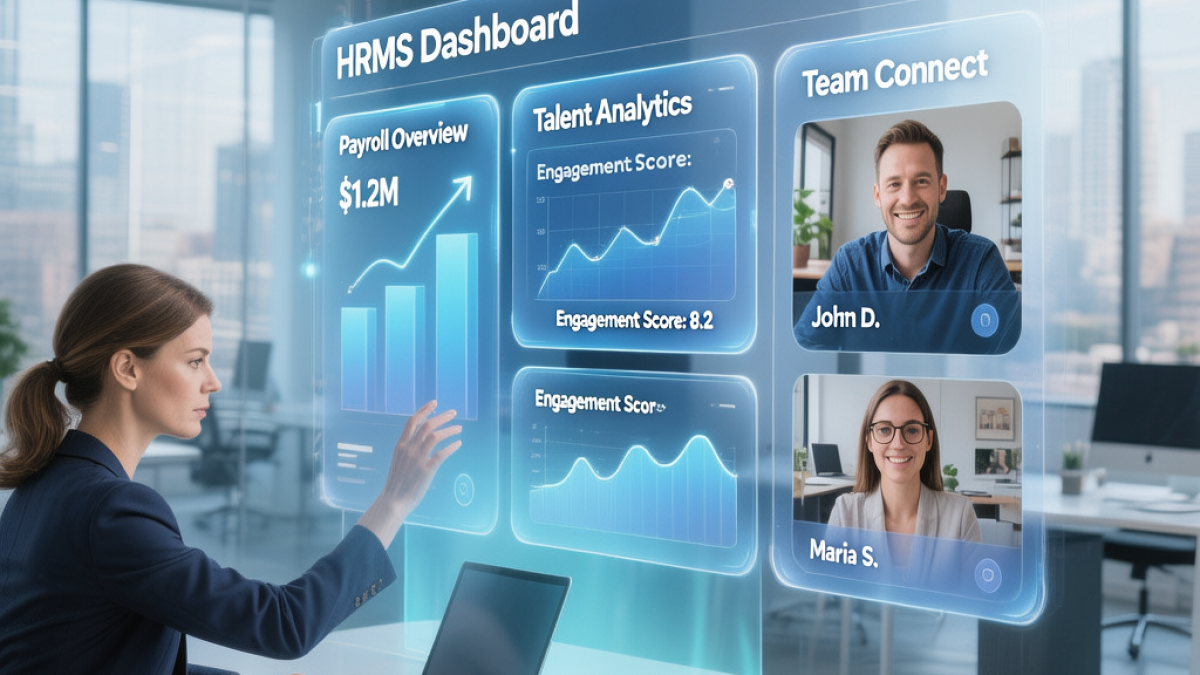
The Real Human Impact Stories From Inside the Workplace
New Joiners Feel Special
At Google, I watched onboarding transform with HRMS. Gone were the generic “Welcome!” emails. Instead, new hires got personalized videos from their managers, instant access to all the tools they needed, and a cheerful roadmap for their first month. Anxiety melted away, replaced by excitement.
Payroll Nightmares Turn to Dreams
When I worked on INTEL’s HRMS rollout, we discovered one team had been missing bonus payouts for months nobody dared speak up. The new HRMS flagged it instantly, fixed the issue, and managers apologized. Trust rebuilt, retention improved.
Small Startups Scale without Losing Their Soul
A three-person fintech team I advised feared that growing would mean forgetting birthdays and mixing up salaries. Their new HRMS meant they tracked little wins, gave out real-time kudos, and made remote collaboration a breeze. Growth stopped being scary.
HRMS Features That Truly Matter
Payroll That’s Always Reliable
No more guessing, no more “Did my money arrive?” HRMS connects to banks, checks calculations against labor laws, and sends friendly nudges if there’s a hiccup.
Leave and Attendance: Simple, Fair, and Transparent
Employees see all their entitlements. When they need to rest, it’s just a couple of clicks. Nothing gets lost, nothing is marked “urgent!” in red ink.
Onboarding and Training: Personal, Never Generic
HRMS sends checklists, “meet the team” intros, and fun welcome tasks. People feel like their journey matters, not just their skills.
Recognition That Feels Real
Not just badges or stats, HRMS lets managers write real notes, share public kudos, and track career growth over the years.
Security Data You TrustHRMS locks sensitive details (as tightly as you’d lock your diary), so only trusted eyes ever see private stuff.
Manager Dashboards: For Humans, Not Just Analysts
Simple graphs, clear trends, HRMS gives leaders information they intuitively understand. No endless spreadsheets.
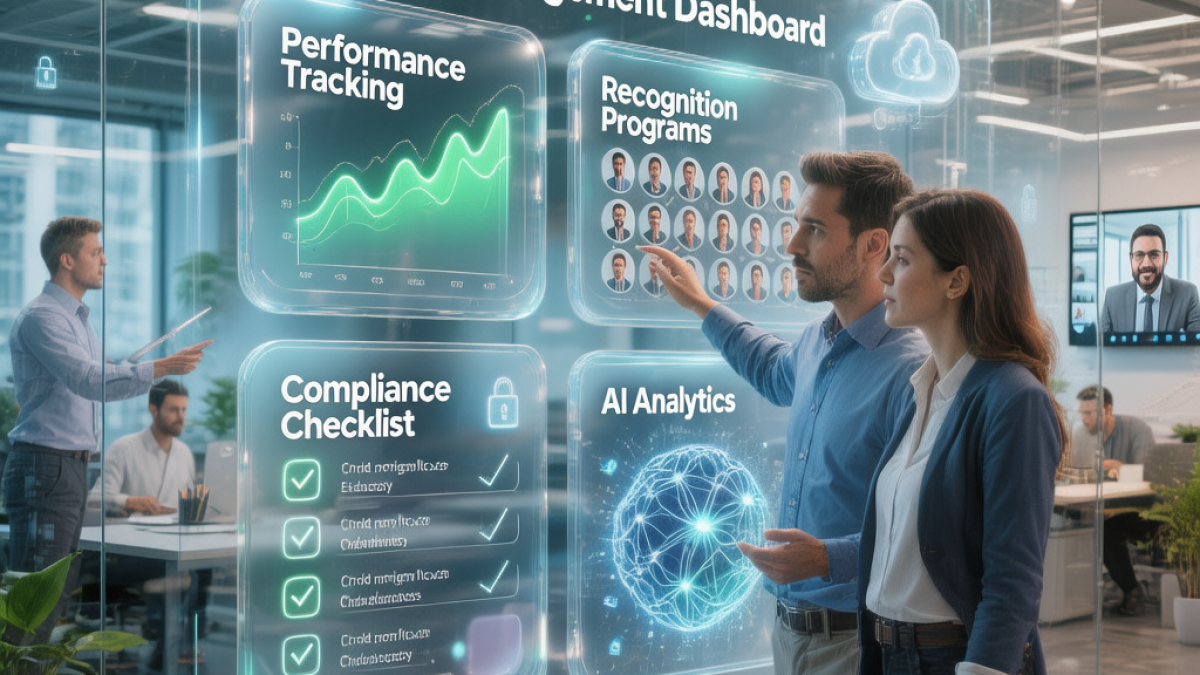
Selecting HRMS: A Human-First, Technical Second Checklist
- Simplicity: Does your least technical teammate enjoy using it? Test with real users, not just IT staff!
- Customization: Every workplace is unique; your HRMS should celebrate, not crush, that spirit.
- Integration: Payroll, timesheets, benefits, performance all together, with no double entry.
- Mobile Access: Can teams (even remote ones) interact easily, anywhere?
- Support That Feels Human: Fast replies. Real empathy. Clear fixes.
- Data Security: Would you trust it with your own secrets?
- Enduring Reliability: Downtime hurts; always pick vendors with solid uptime history.
Ask for demos with live examples. Ask for stories, not just sales stats.
HRMS in the Real World When Technology Meets Empathy
When we replaced static spreadsheets at Microsoft with a modern HRMS, I witnessed manager’s shift from frantic text messages (“Where’s the vacation form?”) to thoughtful one-to-ones and genuine team building.
At AMD, the system started flagging early signs of burnout, long hours, low kudos, dip in learning. Managers started monthly coffee chats, not just check-ins. Employees said, “For the first time, I feel someone here cares.”
At Google, HRMS automated compliance, freeing teams to try new, creative ways to celebrate wins from silly meme contests to “thank you” wall art.
Common HRMS Stumbles And How Real Teams Fix Them
- Train, Don’t Just Announce: Teach managers and teams, show funny examples, reward early adopters.
- Listen: Gather feedback, ignore tech jargon, pay attention to stories.
- Iterate: HRMS should be alive, evolving with real needs, not stuck in old settings.
Support Quiet Voices: Those who struggle most deserve extra mentorship.
The Future HRMS and the Human Workplace
The world’s changing, always. Remote work, freelance culture, global teams, HRMS is keeping pace:
- AI can spot signs of distress or joy, sending tips before problems unwind.
- Mobile-first means HRMS is always in your pocket, just like your support network.
- Gamified learning may turn training into real fun.
But the real future isn’t tech, its people:
HRMS helps every employee feel like Maya, the company really cares, listens, and celebrates you.
Conclusion: Technology Isn’t Enough Put People First
HRMS isn’t just a box to tick. It’s a chance for real managers, from Maya to the CEO, to put people first every day.
If I could give only one piece of advice, it’s this: When choosing or using HRMS, never forget the human stories inside it.
Listen, learn, and build trust through every paycheck, greeting, and tiny win. Use technology to see every person, not just every number
In 2025, choosing an HRMS is choosing kindness, clarity, and efficiency. It’s a gift to every person you work with, a promise that no achievement will go unnoticed and no employee will be unsupported.
As a writer who’s worked for AMD, Microsoft, Intel, Dell, and Google, I’ve watched companies transform with the right HRMS. The difference is written in smiles, not just spreadsheets.
Business isn’t a machine; it’s a storybook full of heroes, dreams, and difficult days. An HRMS is the companion to bring those stories alive. It puts people first, keeps promises, and fosters a culture of care, trust, and growth.