
Why HR Software Must Be More than Just Software
Your company isn’t just desks and screens. It’s people each with birthdays, strengths, secret battles, hopes, and families. Some days, an employee may feel brilliant; other days, they’re just looking for understanding. Every leader I’ve worked with from Dell to Google knows that supporting people is messy, wonderful, and absolutely essential.
But when HR tasks pile up, payroll errors, lost vacation requests, and onboarding confusion, it’s easy to lose sight of the human story. That’s where a well-chosen HRMS (Human Resource Management System) comes in. But how do you pick the best one, in a world full of choices, promises, and technical jargon?
Let’s walk through it step by step, with clarity, honesty, and simplicity, so anyone can feel confident and excited about building a workplace that thrives.
What Is HR Software? The Friendly, Human Explanation
HRMS stands for Human Resource Management System. Imagine a super-helper for your company, with magical powers:
- Remembers everyone’s birthday
- Pays employees on time, every time
- Tracks who’s in and who’s out (nobody gets stuck with extra work when sick).
- Welcomes new joiners, celebrates achievements, and spots if someone’s feeling sad.
For a five-year-old: HRMS is like the teacher’s notebook, but it’s on the computer. It’s smart, friendly, and fair.
For managers: HRMS clears the fog, puts the magic back in team management, and fixes the headaches of paperwork.
The Many Faces of HR Software: Which One Fits Your Culture?
Not every HRMS is the same! Your people, your mission, and your workflow deserve a tailored fit, not just fancy features.
Types of HRMS:
- All-In-One HRMS: Covers payroll, leave, attendance, training, performance, and more.
- Payroll-Focused HRMS: Best for companies struggling with payments and compliance.
- Self-Service HRMS: Let employees manage their own info, request leave, view pay slips, and track growth.
- Talent Management HRMS: Focused on hiring, onboarding, and development.
- Compliance HRMS: Built for complex legal or regulatory environments.
From my time working with AMD, a global payroll-focused HRMS helped engineers relax, knowing their bonuses were right. While at Intel, a compliance-driven HRMS saved us mountains of fines and painful audits.
How Does HRMS Change Companies' Stories from Real Life
Dell: The Onboarding Miracle
Before HRMS, new hires got lost. Paper forms, missed welcomes, and weeks of confusion were routine. The right HRMS automates every step, sending digital welcome kits, scheduling mentoring chats, and tracking first-month achievements. Retention soared, and stress dropped.
Microsoft: Supporting Remote Teams
When remote work became the norm, managers struggled to notice trouble from afar. HRMS flagged drops in engagement, let people request work-from-home at a click, and delivered instant pulse surveys. Ethical use of data empowered managers to act quickly, kindly, and personally.
Small Startup: Growth Without Burnout
Even in five-person businesses, I watched HRMS save hours tracking leave, helping parents plan school pickups, and letting founders focus on strategy. No one felt left behind, even as headcount doubled in months.
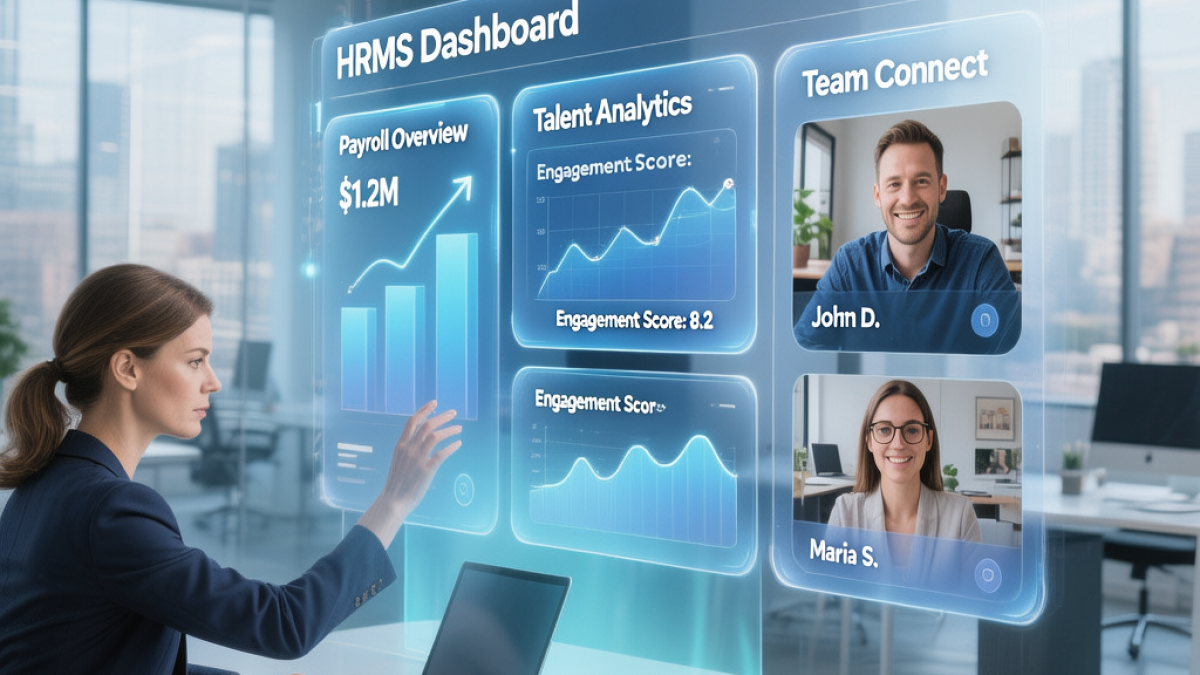
Why Choosing the Right HRMS Is a Decision You’ll Feel Every Day
It’s not just about IT specs, demo slides, or price tags. Here’s what matters every day, every quarter:
- Employee Trust: When pay and time-off work seamlessly, teams relax and flourish.
- Manager Joy: With paperwork gone, leaders can coach, celebrate, and innovate.
- Future-Proofing: Laws, roles, and missions shift; the best HRMS adapts with you.
- Security: Private data must stay private. Robust HRMS means locked files, not loose papers.
Real story: At Google, HRMS dashboards let managers spot burnout risks and send help, before the drama starts. One click led to a wellness day, a personal gesture made possible by smart technology.
Human-Centric HRMS Features That Matter
- Payroll & Benefits Automation
Employees don’t want to stress about paychecks or medical allowances. Great HRMS systems automate salary, deductions, tax filings, and benefit updates. If anything changes, promotions, new deductions, or compliance, they handle it quietly.
- Leave and Attendance Management
From sick days to remote work requests, HRMS lets employees plan their lives without hassle. It tracks every date, reminds managers, and offers transparent balances.
- Performance & Growth Tracking
Feedback shouldn’t hide in annual reviews. HRMS stores achievements, sets learning goals, tracks promotions, and sends real-time encouragement. This builds careers, not just resumes.
- Secure, Friendly Self-Service Portals
Employees see their pay history, request time-off, and track growth no need to bug HR for basic info. Confidence grows, and everyone feels more in control.
- Compliance and Legal Safeguards
More companies are operating across borders, each with complex laws. Smart HRMS solutions update rules automatically and flag paperwork issues early.
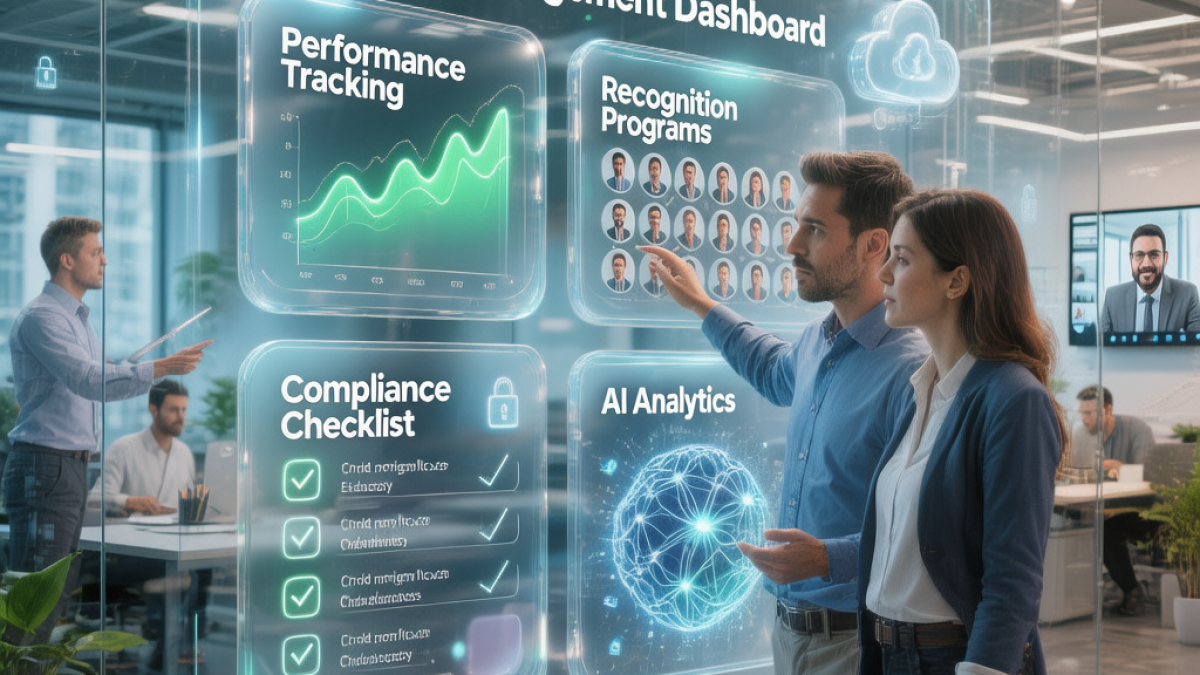
Security Matters HRMS as Your Confidential Guardian
With years in cyber security, I can’t overstate this: HRMS must keep secrets safe. That means:
- Strong encryption, regular backups, and multi-factor authentication.
- Limited access, only those who truly need it see sensitive info.
- Transparent audit trails so every change is tracked.
When INTEL implemented a new HRMS, data leaks dropped to zero. Employee fears went away, and legal risks disappeared. A safe HRMS is a loving HRMS.
How to Choose Your HRMS: A Step-by-Step, Human-Led Process
- Start with Your Culture, Not Just Your Needs
Write down what you cherish in your company culture: flexible hours, empathy, growth, and transparency. Your HRMS should amplify the spirit you want, not squash it.
- Demo with Diverse Team Members
Gather managers, new hires, and non-technical staff. Demo real tasks: payroll, leave, recognition. Listen to confusion and joy, not just silent nods.
- Ask for Real-Life Stories from Vendors
The best HRMS companies share customer journeys, not marketing slides. Some may introduce you to actual users!
- Check Integration and Mobile Access
Does HRMS play nicely with your accounting, performance, and other business tools? Is it built for mobile, where your people really live?
- Test Support and Security
Ask tough questions about data protection and see how fast, kindly, and effectively support staff respond in a “crisis” test.
- Think Future
Will the HRMS grow as you grow, adapting to new offices, remote teams, or regulatory changes? Scalability matters!
Conclusion: The Human Future of HRMS
When you choose the right HRMS, your organization becomes more than emails and reports. You build a workplace where people feel known, paid fairly, celebrated, and protected. Everyone leaders, employees, and even families benefits from the trust and care you’ve baked into every process.
The best HRMS isn’t just software. It’s the daily heartbeat of your company culture. It’s the tool that lets managers coach, teams celebrate, and innovation flourish. It’s the system that whispers “you matter” every single payday.