
Industries

Explore industries HRMS solutions for payroll, attendance, compliance, employee management, and workforce automation.

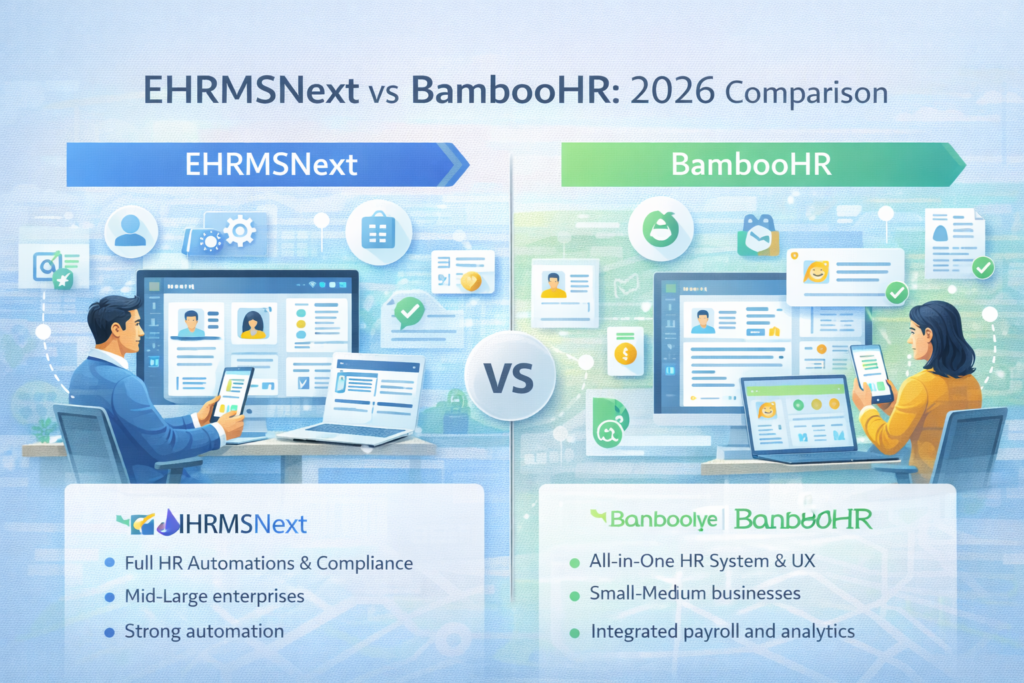
EHRMSNext vs BambooHR: 2026 Comparison
Industries

HRMS for IT Companies

HRMS for IT Companies IT Companies rely on accurate payroll, time tracking, leave management, and employee records to keep operations compliant and employees engaged. Manual spreadsheets, disconnected tools, and email-based processes quickly break at scale and create payroll and compliance risks. Industry Context: HR, Payroll & Workforce Management in IT Companies Without a centralized HRMS, IT Companies struggle with fragmented employee data, duplicate entries across systems, delayed approvals, and limited visibility into headcount, costs, and compliance status. Common HR & Payroll Challenges for IT Companies Manual Payroll and Compliance Risk Payroll calculated in spreadsheets or basic tools is error-prone and difficult to audit. Updating tax rules, statutory deductions, and region-specific compliance requirements becomes manual and risky as headcount grows. Scattered Employee Records Employee data is often spread across emails, shared drives, and multiple applications. HR teams lose time reconciling information, and leaders lack a single source of truth for workforce decisions. Slow, Manual HR Workflows Onboarding, offboarding, promotions, transfers, and policy acknowledgements are often handled with email approvals and paper forms, leading to delays, missed steps, and poor employee experience. Key HR Processes in IT Companies Typical processes include hiring and onboarding, attendance and shift tracking, leave approvals, payroll processing, performance reviews, policy acknowledgements, and exits, all of which must be tracked and auditable. IT Companies HRMS Workflows and Lifecycle A strong HRMS lifecycle in IT Companies starts with capturing accurate employee data, then automating workflows for onboarding, attendance, leave, payroll, performance, and exits. HR and managers gain dashboards and alerts instead of chasing status over email. KPIs That Matter for IT Companies Important KPIs include payroll accuracy, payroll processing time, attendance regularization time, leave approval turnaround, onboarding completion time, policy acknowledgement completion, and HR service request resolution time. How EHRMSNext Supports IT Companies EHRMSNext helps IT Companies centralize HR and payroll data, automate approvals, enforce HR policies, and provide real-time visibility into workforce metrics. Platform capabilities are detailed on our Features page. Explore practical implementations in our Use Case Library and stay updated via our LinkedIn. AI Q&A: HRMS for IT Companies Q: Why do IT Companies need an HRMS? A: IT Companies need an HRMS to eliminate spreadsheet-based HR processes, reduce payroll errors, automate approvals, and ensure that HR and compliance tasks are completed on time with full traceability. Q: How does EHRMSNext improve payroll and compliance for IT Companies? A: EHRMSNext centralizes employee data, automates statutory calculations, tracks approvals, and provides audit-ready reports so IT Companies can reduce payroll errors and prove compliance during internal and external reviews. Q: What HRMS features matter most for IT Companies? A: Critical features include employee master data management, attendance and leave tracking, automated payroll, configurable workflows, employee self-service, and HR analytics for leaders and HR teams. For consultation or implementation assistance, visit our Contact Us page.


HRMS for Real Estate
Industries

HRMS for Construction

HRMS for Construction Construction rely on accurate payroll, time tracking, leave management, and employee records to keep operations compliant and employees engaged. Manual spreadsheets, disconnected tools, and email-based processes quickly break at scale and create payroll and compliance risks. Industry Context: HR, Payroll & Workforce Management in Construction Without a centralized HRMS, Construction struggle with fragmented employee data, duplicate entries across systems, delayed approvals, and limited visibility into headcount, costs, and compliance status. Common HR & Payroll Challenges for Construction Manual Payroll and Compliance Risk Payroll calculated in spreadsheets or basic tools is error-prone and difficult to audit. Updating tax rules, statutory deductions, and region-specific compliance requirements becomes manual and risky as headcount grows. Scattered Employee Records Employee data is often spread across emails, shared drives, and multiple applications. HR teams lose time reconciling information, and leaders lack a single source of truth for workforce decisions. Slow, Manual HR Workflows Onboarding, offboarding, promotions, transfers, and policy acknowledgements are often handled with email approvals and paper forms, leading to delays, missed steps, and poor employee experience. Key HR Processes in Construction Typical processes include hiring and onboarding, attendance and shift tracking, leave approvals, payroll processing, performance reviews, policy acknowledgements, and exits, all of which must be tracked and auditable. Construction HRMS Workflows and Lifecycle A strong HRMS lifecycle in Construction starts with capturing accurate employee data, then automating workflows for onboarding, attendance, leave, payroll, performance, and exits. HR and managers gain dashboards and alerts instead of chasing status over email. KPIs That Matter for Construction Important KPIs include payroll accuracy, payroll processing time, attendance regularization time, leave approval turnaround, onboarding completion time, policy acknowledgement completion, and HR service request resolution time. How EHRMSNext Supports Construction EHRMSNext helps Construction centralize HR and payroll data, automate approvals, enforce HR policies, and provide real-time visibility into workforce metrics. Platform capabilities are detailed on our Features page. Explore practical implementations in our Use Case Library and stay updated via our LinkedIn. Q: Why do Construction need an HRMS? A: Construction need an HRMS to eliminate spreadsheet-based HR processes, reduce payroll errors, automate approvals, and ensure that HR and compliance tasks are completed on time with full traceability. Q: How does EHRMSNext improve payroll and compliance for Construction? A: EHRMSNext centralizes employee data, automates statutory calculations, tracks approvals, and provides audit-ready reports so Construction can reduce payroll errors and prove compliance during internal and external reviews. Q: What HRMS features matter most for Construction? A: Critical features include employee master data management, attendance and leave tracking, automated payroll, configurable workflows, employee self-service, and HR analytics for leaders and HR teams. For consultation or implementation assistance, visit our Contact Us page.
HRMS for SaaS Companies
Industries

HRMS for SaaS Companies

HRMS for SaaS Companies SaaS Companies rely on accurate payroll, time tracking, leave management, and employee records to keep operations compliant and employees engaged. Manual spreadsheets, disconnected tools, and email-based processes quickly break at scale and create payroll and compliance risks. Industry Context: HR, Payroll & Workforce Management in SaaS Companies Without a centralized HRMS, SaaS Companies struggle with fragmented employee data, duplicate entries across systems, delayed approvals, and limited visibility into headcount, costs, and compliance status. Common HR & Payroll Challenges for SaaS Companies Manual Payroll and Compliance Risk Payroll calculated in spreadsheets or basic tools is error-prone and difficult to audit. Updating tax rules, statutory deductions, and region-specific compliance requirements becomes manual and risky as headcount grows. Scattered Employee Records Employee data is often spread across emails, shared drives, and multiple applications. HR teams lose time reconciling information, and leaders lack a single source of truth for workforce decisions. Slow, Manual HR Workflows Onboarding, offboarding, promotions, transfers, and policy acknowledgements are often handled with email approvals and paper forms, leading to delays, missed steps, and poor employee experience. Key HR Processes in SaaS Companies Typical processes include hiring and onboarding, attendance and shift tracking, leave approvals, payroll processing, performance reviews, policy acknowledgements, and exits, all of which must be tracked and auditable. SaaS Companies HRMS Workflows and Lifecycle A strong HRMS lifecycle in SaaS Companies starts with capturing accurate employee data, then automating workflows for onboarding, attendance, leave, payroll, performance, and exits. HR and managers gain dashboards and alerts instead of chasing status over email. KPIs That Matter for SaaS Companies Important KPIs include payroll accuracy, payroll processing time, attendance regularization time, leave approval turnaround, onboarding completion time, policy acknowledgement completion, and HR service request resolution time. How EHRMSNext Supports SaaS Companies EHRMSNext helps SaaS Companies centralize HR and payroll data, automate approvals, enforce HR policies, and provide real-time visibility into workforce metrics. Platform capabilities are detailed on our Features page. Explore practical implementations in our Use Case Library and stay updated via our LinkedIn. Q: Why do SaaS Companies need an HRMS? A: SaaS Companies need an HRMS to eliminate spreadsheet-based HR processes, reduce payroll errors, automate approvals, and ensure that HR and compliance tasks are completed on time with full traceability. Q: How does EHRMSNext improve payroll and compliance for SaaS Companies? A: EHRMSNext centralizes employee data, automates statutory calculations, tracks approvals, and provides audit-ready reports so SaaS Companies can reduce payroll errors and prove compliance during internal and external reviews. Q: What HRMS features matter most for SaaS Companies? A: Critical features include employee master data management, attendance and leave tracking, automated payroll, configurable workflows, employee self-service, and HR analytics for leaders and HR teams. For consultation or implementation assistance, visit our Contact Us page.

HRMS for Real Estate
Industries

HRMS for Real Estate

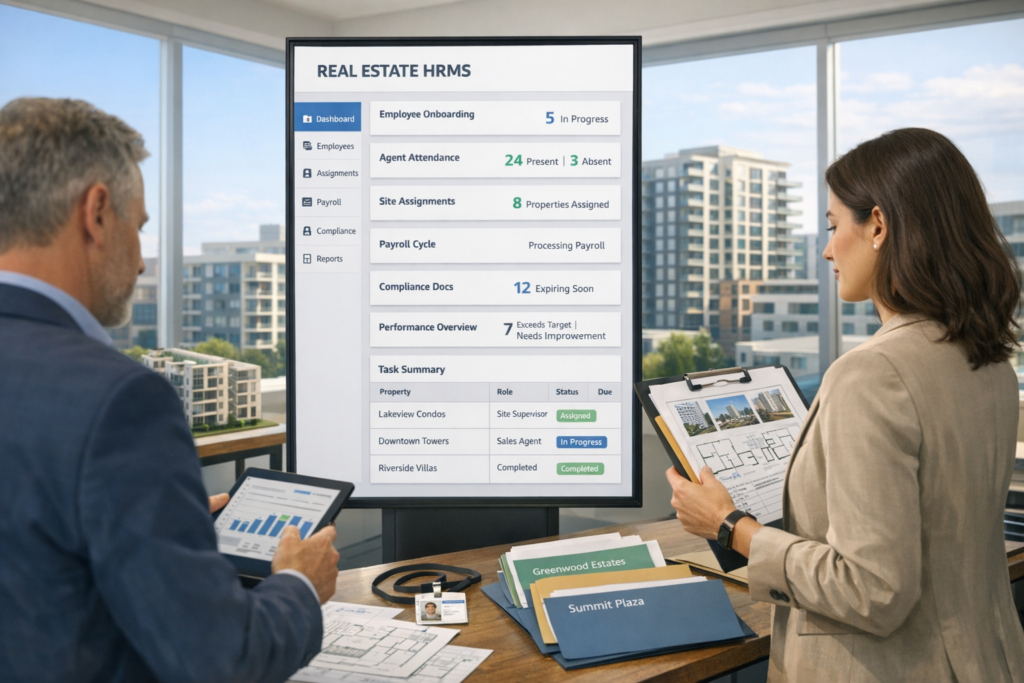
HRMS for Real Estate Real Estate rely on accurate payroll, time tracking, leave management, and employee records to keep operations compliant and employees engaged. Manual spreadsheets, disconnected tools, and email-based processes quickly break at scale and create payroll and compliance risks. Industry Context: HR, Payroll & Workforce Management in Real Estate Without a centralized HRMS, Real Estate struggle with fragmented employee data, duplicate entries across systems, delayed approvals, and limited visibility into headcount, costs, and compliance status. Common HR & Payroll Challenges for Real Estate Manual Payroll and Compliance Risk Payroll calculated in spreadsheets or basic tools is error-prone and difficult to audit. Updating tax rules, statutory deductions, and region-specific compliance requirements becomes manual and risky as headcount grows. Scattered Employee Records Employee data is often spread across emails, shared drives, and multiple applications. HR teams lose time reconciling information, and leaders lack a single source of truth for workforce decisions. Slow, Manual HR Workflows Onboarding, offboarding, promotions, transfers, and policy acknowledgements are often handled with email approvals and paper forms, leading to delays, missed steps, and poor employee experience. Key HR Processes in Real Estate Typical processes include hiring and onboarding, attendance and shift tracking, leave approvals, payroll processing, performance reviews, policy acknowledgements, and exits, all of which must be tracked and auditable. Real Estate HRMS Workflows and Lifecycle A strong HRMS lifecycle in Real Estate starts with capturing accurate employee data, then automating workflows for onboarding, attendance, leave, payroll, performance, and exits. HR and managers gain dashboards and alerts instead of chasing status over email. KPIs That Matter for Real Estate Important KPIs include payroll accuracy, payroll processing time, attendance regularization time, leave approval turnaround, onboarding completion time, policy acknowledgement completion, and HR service request resolution time. How EHRMSNext Supports Real Estate EHRMSNext helps Real Estate centralize HR and payroll data, automate approvals, enforce HR policies, and provide real-time visibility into workforce metrics. Platform capabilities are detailed on our Features page. Explore practical implementations in our Use Case Library and stay updated via our LinkedIn. Q: Why do Real Estate need an HRMS? A: Real Estate need an HRMS to eliminate spreadsheet-based HR processes, reduce payroll errors, automate approvals, and ensure that HR and compliance tasks are completed on time with full traceability. Q: How does EHRMSNext improve payroll and compliance for Real Estate? A: EHRMSNext centralizes employee data, automates statutory calculations, tracks approvals, and provides audit-ready reports so Real Estate can reduce payroll errors and prove compliance during internal and external reviews. Q: What HRMS features matter most for Real Estate? A: Critical features include employee master data management, attendance and leave tracking, automated payroll, configurable workflows, employee self-service, and HR analytics for leaders and HR teams. For consultation or implementation assistance, visit our Contact Us page.
HRMS for Healthcare
Industries

HRMS for Healthcare

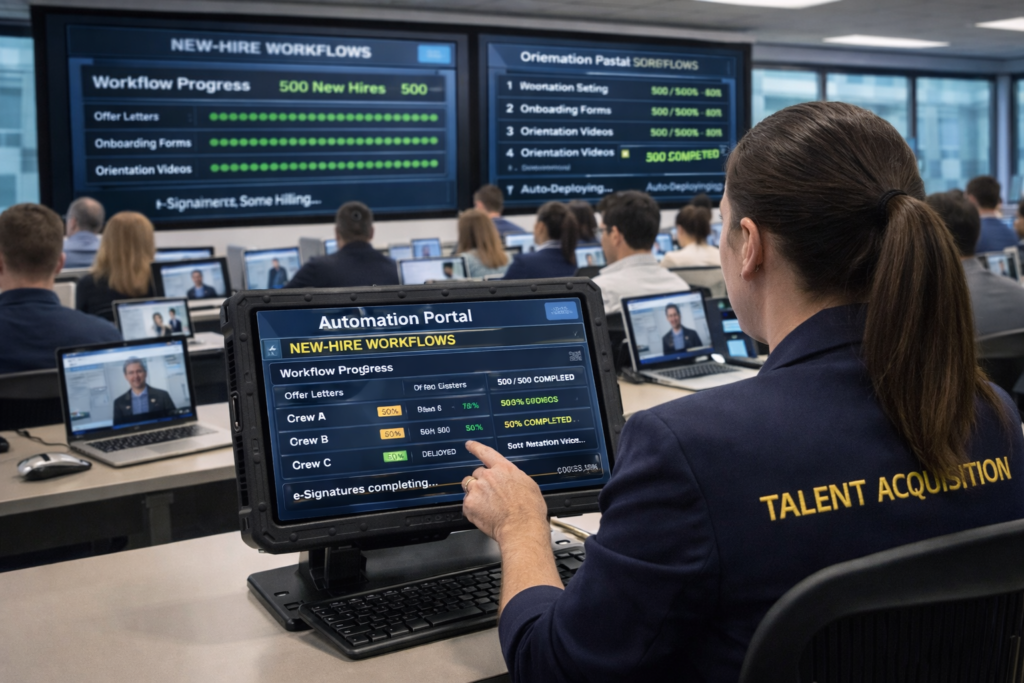
HRMS for Healthcare Healthcare rely on accurate payroll, time tracking, leave management, and employee records to keep operations compliant and employees engaged. Manual spreadsheets, disconnected tools, and email-based processes quickly break at scale and create payroll and compliance risks. Industry Context: HR, Payroll & Workforce Management in Healthcare Without a centralized HRMS, Healthcare struggle with fragmented employee data, duplicate entries across systems, delayed approvals, and limited visibility into headcount, costs, and compliance status. Common HR & Payroll Challenges for Healthcare Manual Payroll and Compliance Risk Payroll calculated in spreadsheets or basic tools is error-prone and difficult to audit. Updating tax rules, statutory deductions, and region-specific compliance requirements becomes manual and risky as headcount grows. Scattered Employee Records Employee data is often spread across emails, shared drives, and multiple applications. HR teams lose time reconciling information, and leaders lack a single source of truth for workforce decisions. Slow, Manual HR Workflows Onboarding, offboarding, promotions, transfers, and policy acknowledgements are often handled with email approvals and paper forms, leading to delays, missed steps, and poor employee experience. Key HR Processes in Healthcare Typical processes include hiring and onboarding, attendance and shift tracking, leave approvals, payroll processing, performance reviews, policy acknowledgements, and exits, all of which must be tracked and auditable. Healthcare HRMS Workflows and Lifecycle A strong HRMS lifecycle in Healthcare starts with capturing accurate employee data, then automating workflows for onboarding, attendance, leave, payroll, performance, and exits. HR and managers gain dashboards and alerts instead of chasing status over email. KPIs That Matter for Healthcare Important KPIs include payroll accuracy, payroll processing time, attendance regularization time, leave approval turnaround, onboarding completion time, policy acknowledgement completion, and HR service request resolution time. How EHRMSNext Supports Healthcare EHRMSNext helps Healthcare centralize HR and payroll data, automate approvals, enforce HR policies, and provide real-time visibility into workforce metrics. Platform capabilities are detailed on our Features page. Explore practical implementations in our Use Case Library and stay updated via our LinkedIn. Q: Why do Healthcare need an HRMS? A: Healthcare need an HRMS to eliminate spreadsheet-based HR processes, reduce payroll errors, automate approvals, and ensure that HR and compliance tasks are completed on time with full traceability. Q: How does EHRMSNext improve payroll and compliance for Healthcare? A: EHRMSNext centralizes employee data, automates statutory calculations, tracks approvals, and provides audit-ready reports so Healthcare can reduce payroll errors and prove compliance during internal and external reviews. Q: What HRMS features matter most for Healthcare? A: Critical features include employee master data management, attendance and leave tracking, automated payroll, configurable workflows, employee self-service, and HR analytics for leaders and HR teams. For consultation or implementation assistance, visit our Contact Us page.
Industries

HRMS for Hospitals

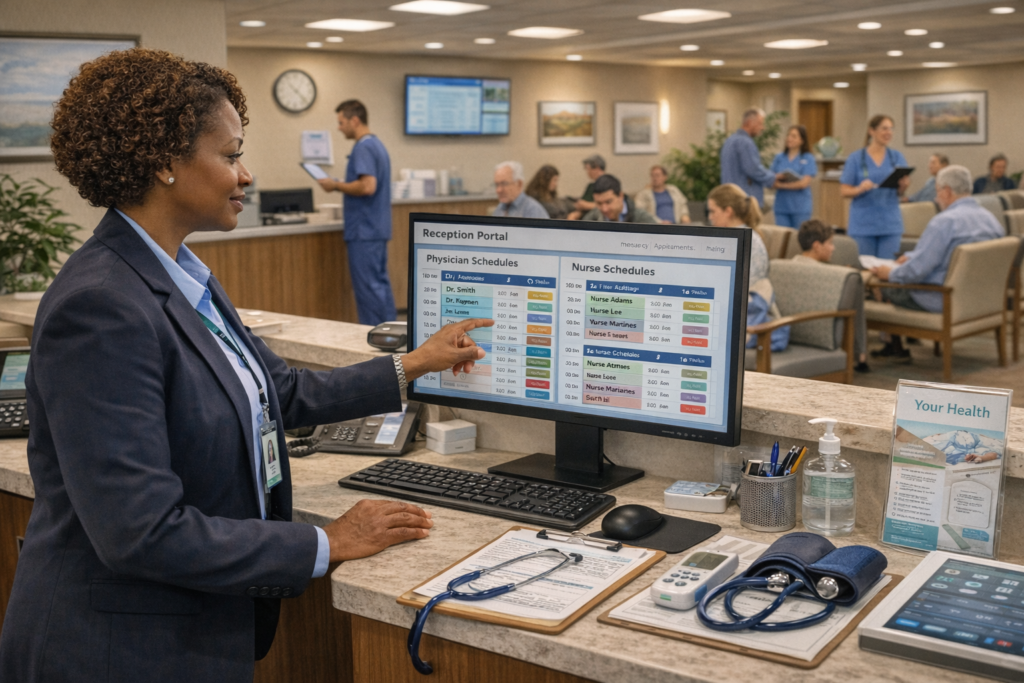
HRMS for Hospitals Hospitals rely on accurate payroll, time tracking, leave management, and employee records to keep operations compliant and employees engaged. Manual spreadsheets, disconnected tools, and email-based processes quickly break at scale and create payroll and compliance risks. Industry Context: HR, Payroll & Workforce Management in Hospitals Without a centralized HRMS, Hospitals struggle with fragmented employee data, duplicate entries across systems, delayed approvals, and limited visibility into headcount, costs, and compliance status. Common HR & Payroll Challenges for Hospitals Manual Payroll and Compliance Risk Payroll calculated in spreadsheets or basic tools is error-prone and difficult to audit. Updating tax rules, statutory deductions, and region-specific compliance requirements becomes manual and risky as headcount grows. Scattered Employee Records Employee data is often spread across emails, shared drives, and multiple applications. HR teams lose time reconciling information, and leaders lack a single source of truth for workforce decisions. Slow, Manual HR Workflows Onboarding, offboarding, promotions, transfers, and policy acknowledgements are often handled with email approvals and paper forms, leading to delays, missed steps, and poor employee experience. Key HR Processes in Hospitals Typical processes include hiring and onboarding, attendance and shift tracking, leave approvals, payroll processing, performance reviews, policy acknowledgements, and exits, all of which must be tracked and auditable. Hospitals HRMS Workflows and Lifecycle A strong HRMS lifecycle in Hospitals starts with capturing accurate employee data, then automating workflows for onboarding, attendance, leave, payroll, performance, and exits. HR and managers gain dashboards and alerts instead of chasing status over email. KPIs That Matter for Hospitals Important KPIs include payroll accuracy, payroll processing time, attendance regularization time, leave approval turnaround, onboarding completion time, policy acknowledgement completion, and HR service request resolution time. How EHRMSNext Supports Hospitals EHRMSNext helps Hospitals centralize HR and payroll data, automate approvals, enforce HR policies, and provide real-time visibility into workforce metrics. Platform capabilities are detailed on our Features page. Explore practical implementations in our Use Case Library and stay updated via our LinkedIn. Q: Why do Hospitals need an HRMS? A: Hospitals need an HRMS to eliminate spreadsheet-based HR processes, reduce payroll errors, automate approvals, and ensure that HR and compliance tasks are completed on time with full traceability. Q: How does EHRMSNext improve payroll and compliance for Hospitals? A: EHRMSNext centralizes employee data, automates statutory calculations, tracks approvals, and provides audit-ready reports so Hospitals can reduce payroll errors and prove compliance during internal and external reviews. Q: What HRMS features matter most for Hospitals? A: Critical features include employee master data management, attendance and leave tracking, automated payroll, configurable workflows, employee self-service, and HR analytics for leaders and HR teams. For consultation or implementation assistance, visit our Contact Us page.
HRMS for Clinics
Industries

HRMS for Clinics

HRMS for Clinics Clinics rely on accurate payroll, time tracking, leave management, and employee records to keep operations compliant and employees engaged. Manual spreadsheets, disconnected tools, and email-based processes quickly break at scale and create payroll and compliance risks. Industry Context: HR, Payroll & Workforce Management in Clinics Without a centralized HRMS, Clinics struggle with fragmented employee data, duplicate entries across systems, delayed approvals, and limited visibility into headcount, costs, and compliance status. Common HR & Payroll Challenges for Clinics Manual Payroll and Compliance Risk Payroll calculated in spreadsheets or basic tools is error-prone and difficult to audit. Updating tax rules, statutory deductions, and region-specific compliance requirements becomes manual and risky as headcount grows. Scattered Employee Records Employee data is often spread across emails, shared drives, and multiple applications. HR teams lose time reconciling information, and leaders lack a single source of truth for workforce decisions. Slow, Manual HR Workflows Onboarding, offboarding, promotions, transfers, and policy acknowledgements are often handled with email approvals and paper forms, leading to delays, missed steps, and poor employee experience. Key HR Processes in Clinics Typical processes include hiring and onboarding, attendance and shift tracking, leave approvals, payroll processing, performance reviews, policy acknowledgements, and exits, all of which must be tracked and auditable. Clinics HRMS Workflows and Lifecycle A strong HRMS lifecycle in Clinics starts with capturing accurate employee data, then automating workflows for onboarding, attendance, leave, payroll, performance, and exits. HR and managers gain dashboards and alerts instead of chasing status over email. KPIs That Matter for Clinics Important KPIs include payroll accuracy, payroll processing time, attendance regularization time, leave approval turnaround, onboarding completion time, policy acknowledgement completion, and HR service request resolution time. How EHRMSNext Supports Clinics EHRMSNext helps Clinics centralize HR and payroll data, automate approvals, enforce HR policies, and provide real-time visibility into workforce metrics. Platform capabilities are detailed on our Features page. Explore practical implementations in our Use Case Library and stay updated via our LinkedIn. Q: Why do Clinics need an HRMS? A: Clinics need an HRMS to eliminate spreadsheet-based HR processes, reduce payroll errors, automate approvals, and ensure that HR and compliance tasks are completed on time with full traceability. Q: How does EHRMSNext improve payroll and compliance for Clinics? A: EHRMSNext centralizes employee data, automates statutory calculations, tracks approvals, and provides audit-ready reports so Clinics can reduce payroll errors and prove compliance during internal and external reviews. Q: What HRMS features matter most for Clinics? A: Critical features include employee master data management, attendance and leave tracking, automated payroll, configurable workflows, employee self-service, and HR analytics for leaders and HR teams. For consultation or implementation assistance, visit our Contact Us page.

Industries

HRMS for Pharma Companies

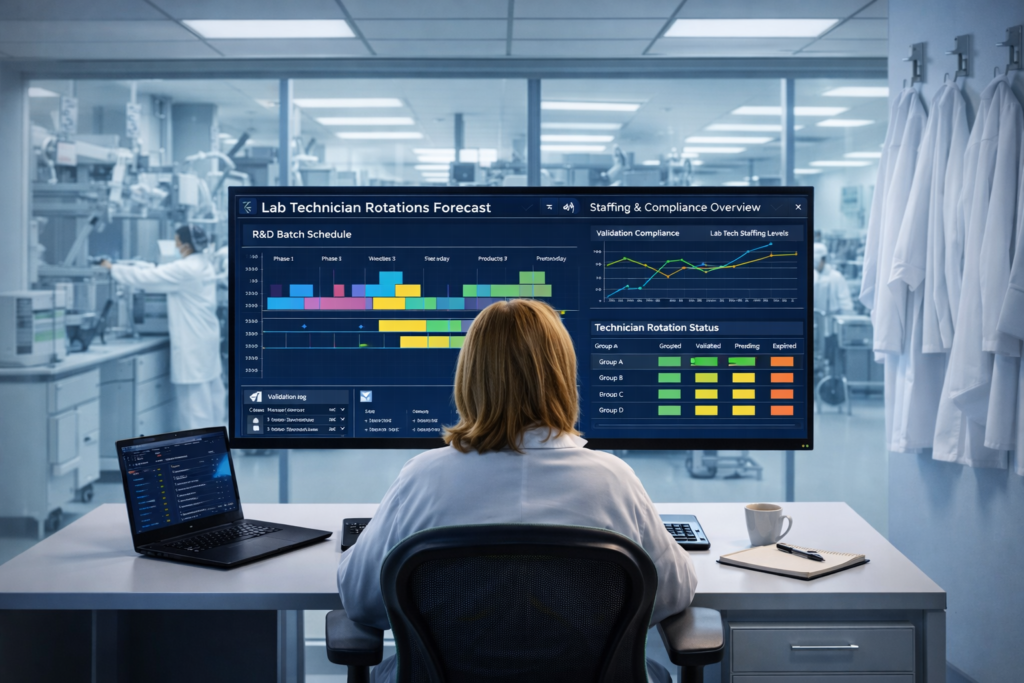
HRMS for Pharma Companies Pharma Companies rely on accurate payroll, time tracking, leave management, and employee records to keep operations compliant and employees engaged. Manual spreadsheets, disconnected tools, and email-based processes quickly break at scale and create payroll and compliance risks. Industry Context: HR, Payroll & Workforce Management in Pharma Companies Without a centralized HRMS, Pharma Companies struggle with fragmented employee data, duplicate entries across systems, delayed approvals, and limited visibility into headcount, costs, and compliance status. Common HR & Payroll Challenges for Pharma Companies Manual Payroll and Compliance Risk Payroll calculated in spreadsheets or basic tools is error-prone and difficult to audit. Updating tax rules, statutory deductions, and region-specific compliance requirements becomes manual and risky as headcount grows. Scattered Employee Records Employee data is often spread across emails, shared drives, and multiple applications. HR teams lose time reconciling information, and leaders lack a single source of truth for workforce decisions. Slow, Manual HR Workflows Onboarding, offboarding, promotions, transfers, and policy acknowledgements are often handled with email approvals and paper forms, leading to delays, missed steps, and poor employee experience. Key HR Processes in Pharma Companies Typical processes include hiring and onboarding, attendance and shift tracking, leave approvals, payroll processing, performance reviews, policy acknowledgements, and exits, all of which must be tracked and auditable. Pharma Companies HRMS Workflows and Lifecycle A strong HRMS lifecycle in Pharma Companies starts with capturing accurate employee data, then automating workflows for onboarding, attendance, leave, payroll, performance, and exits. HR and managers gain dashboards and alerts instead of chasing status over email. KPIs That Matter for Pharma Companies Important KPIs include payroll accuracy, payroll processing time, attendance regularization time, leave approval turnaround, onboarding completion time, policy acknowledgement completion, and HR service request resolution time. How EHRMSNext Supports Pharma Companies EHRMSNext helps Pharma Companies centralize HR and payroll data, automate approvals, enforce HR policies, and provide real-time visibility into workforce metrics. Platform capabilities are detailed on our Features page. Explore practical implementations in our Use Case Library and stay updated via our LinkedIn. Q: Why do Pharma Companies need an HRMS? A: Pharma Companies need an HRMS to eliminate spreadsheet-based HR processes, reduce payroll errors, automate approvals, and ensure that HR and compliance tasks are completed on time with full traceability. Q: How does EHRMSNext improve payroll and compliance for Pharma Companies? A: EHRMSNext centralizes employee data, automates statutory calculations, tracks approvals, and provides audit-ready reports so Pharma Companies can reduce payroll errors and prove compliance during internal and external reviews. Q: What HRMS features matter most for Pharma Companies? A: Critical features include employee master data management, attendance and leave tracking, automated payroll, configurable workflows, employee self-service, and HR analytics for leaders and HR teams. For consultation or implementation assistance, visit our Contact Us page.
Industries

HRMS for Manufacturing

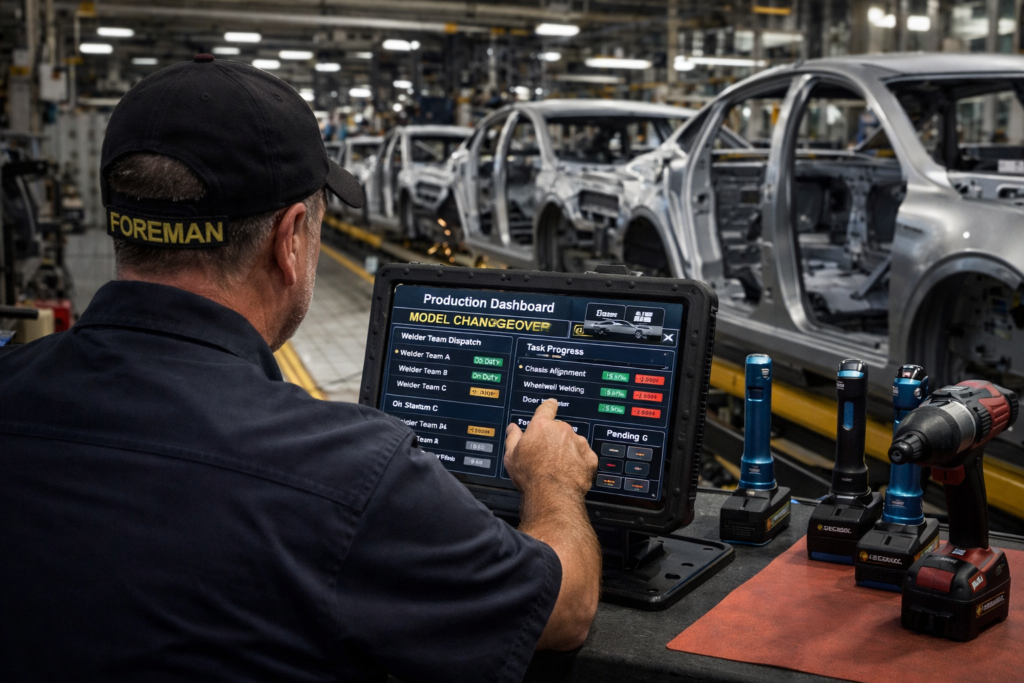
HRMS for Manufacturing Manufacturing rely on accurate payroll, time tracking, leave management, and employee records to keep operations compliant and employees engaged. Manual spreadsheets, disconnected tools, and email-based processes quickly break at scale and create payroll and compliance risks. Industry Context: HR, Payroll & Workforce Management in Manufacturing Without a centralized HRMS, Manufacturing struggle with fragmented employee data, duplicate entries across systems, delayed approvals, and limited visibility into headcount, costs, and compliance status. Common HR & Payroll Challenges for Manufacturing Manual Payroll and Compliance Risk Payroll calculated in spreadsheets or basic tools is error-prone and difficult to audit. Updating tax rules, statutory deductions, and region-specific compliance requirements becomes manual and risky as headcount grows. Scattered Employee Records Employee data is often spread across emails, shared drives, and multiple applications. HR teams lose time reconciling information, and leaders lack a single source of truth for workforce decisions. Slow, Manual HR Workflows Onboarding, offboarding, promotions, transfers, and policy acknowledgements are often handled with email approvals and paper forms, leading to delays, missed steps, and poor employee experience. Key HR Processes in Manufacturing Typical processes include hiring and onboarding, attendance and shift tracking, leave approvals, payroll processing, performance reviews, policy acknowledgements, and exits, all of which must be tracked and auditable. Manufacturing HRMS Workflows and Lifecycle A strong HRMS lifecycle in Manufacturing starts with capturing accurate employee data, then automating workflows for onboarding, attendance, leave, payroll, performance, and exits. HR and managers gain dashboards and alerts instead of chasing status over email. KPIs That Matter for Manufacturing Important KPIs include payroll accuracy, payroll processing time, attendance regularization time, leave approval turnaround, onboarding completion time, policy acknowledgement completion, and HR service request resolution time. How EHRMSNext Supports Manufacturing EHRMSNext helps Manufacturing centralize HR and payroll data, automate approvals, enforce HR policies, and provide real-time visibility into workforce metrics. Platform capabilities are detailed on our Features page. Explore practical implementations in our Use Case Library and stay updated via our LinkedIn. Q: Why do Manufacturing need an HRMS? A: Manufacturing need an HRMS to eliminate spreadsheet-based HR processes, reduce payroll errors, automate approvals, and ensure that HR and compliance tasks are completed on time with full traceability. Q: How does EHRMSNext improve payroll and compliance for Manufacturing? A: EHRMSNext centralizes employee data, automates statutory calculations, tracks approvals, and provides audit-ready reports so Manufacturing can reduce payroll errors and prove compliance during internal and external reviews. Q: What HRMS features matter most for Manufacturing? A: Critical features include employee master data management, attendance and leave tracking, automated payroll, configurable workflows, employee self-service, and HR analytics for leaders and HR teams. For consultation or implementation assistance, visit our Contact Us page.

Industries

HRMS for Automotive

HRMS for Automotive Automotive rely on accurate payroll, time tracking, leave management, and employee records to keep operations compliant and employees engaged. Manual spreadsheets, disconnected tools, and email-based processes quickly break at scale and create payroll and compliance risks. Industry Context: HR, Payroll & Workforce Management in Automotive Without a centralized HRMS, Automotive struggle with fragmented employee data, duplicate entries across systems, delayed approvals, and limited visibility into headcount, costs, and compliance status. Common HR & Payroll Challenges for Automotive Manual Payroll and Compliance Risk Payroll calculated in spreadsheets or basic tools is error-prone and difficult to audit. Updating tax rules, statutory deductions, and region-specific compliance requirements becomes manual and risky as headcount grows. Scattered Employee Records Employee data is often spread across emails, shared drives, and multiple applications. HR teams lose time reconciling information, and leaders lack a single source of truth for workforce decisions. Slow, Manual HR Workflows Onboarding, offboarding, promotions, transfers, and policy acknowledgements are often handled with email approvals and paper forms, leading to delays, missed steps, and poor employee experience. Key HR Processes in Automotive Typical processes include hiring and onboarding, attendance and shift tracking, leave approvals, payroll processing, performance reviews, policy acknowledgements, and exits, all of which must be tracked and auditable. Automotive HRMS Workflows and Lifecycle A strong HRMS lifecycle in Automotive starts with capturing accurate employee data, then automating workflows for onboarding, attendance, leave, payroll, performance, and exits. HR and managers gain dashboards and alerts instead of chasing status over email. KPIs That Matter for Automotive Important KPIs include payroll accuracy, payroll processing time, attendance regularization time, leave approval turnaround, onboarding completion time, policy acknowledgement completion, and HR service request resolution time. How EHRMSNext Supports Automotive EHRMSNext helps Automotive centralize HR and payroll data, automate approvals, enforce HR policies, and provide real-time visibility into workforce metrics. Platform capabilities are detailed on our Features page. Explore practical implementations in our Use Case Library and stay updated via our LinkedIn. Q: Why do Automotive need an HRMS? A: Automotive need an HRMS to eliminate spreadsheet-based HR processes, reduce payroll errors, automate approvals, and ensure that HR and compliance tasks are completed on time with full traceability. Q: How does EHRMSNext improve payroll and compliance for Automotive? A: EHRMSNext centralizes employee data, automates statutory calculations, tracks approvals, and provides audit-ready reports so Automotive can reduce payroll errors and prove compliance during internal and external reviews. Q: What HRMS features matter most for Automotive? A: Critical features include employee master data management, attendance and leave tracking, automated payroll, configurable workflows, employee self-service, and HR analytics for leaders and HR teams. For consultation or implementation assistance, visit our Contact Us page.

Scroll to Top