
Introduction
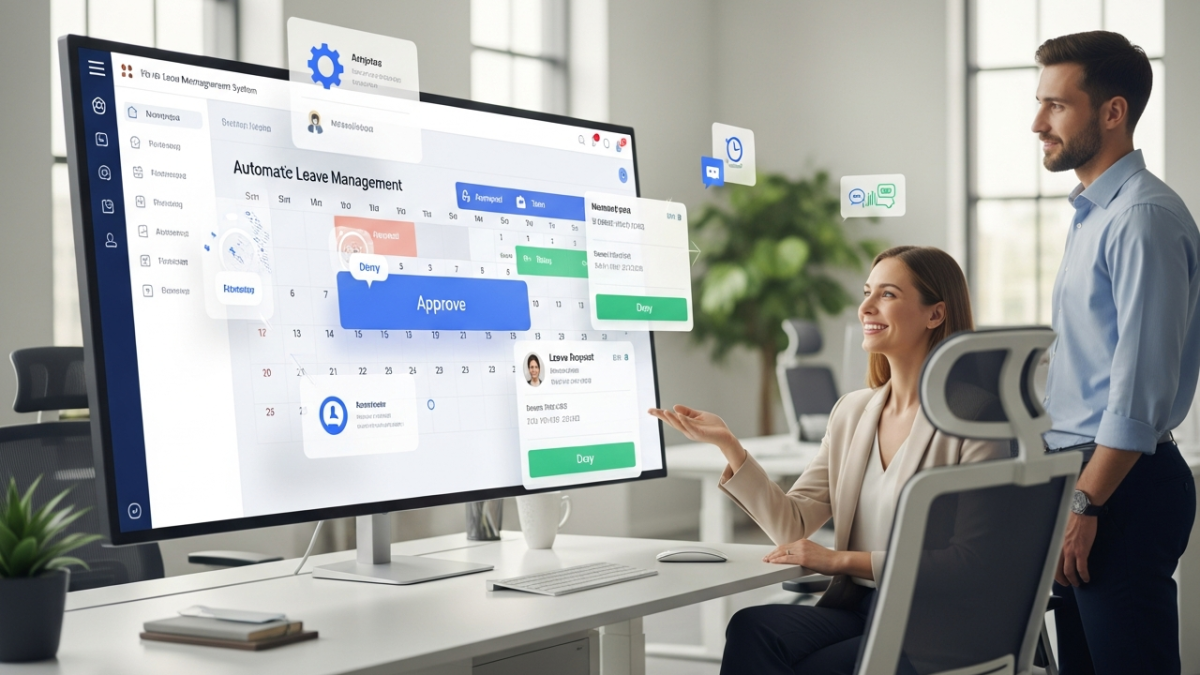
There’s a quiet revolution happening inside American workplaces right now, but you won’t see it on the surface. It’s not loud. It’s not chaotic. It’s subtle, but it’s powerful. It’s unfolding in boardrooms where leaders are questioning traditional management. It’s unfolding in HR departments where burnout is becoming impossible to ignore. It’s unfolding in conversations between employees who are demanding more humanity and less rigidity in how companies operate.
This is the revolution of employee engagement. Not the fluffy version people used to talk about years ago, where companies tried to fix culture with pizza parties or generic surveys. This is deeper. This is structural. This is the moment where companies finally realise that engagement is not an HR initiative. It’s not a seasonal campaign. It’s not a perk. It’s the foundation of business survival.
And that’s why employee engagement software has become one of the fastest-growing segments in the enterprise SaaS world. Modern organisations know that if they want to retain talent, if they want to create momentum, if they want to scale without burning out their teams, they need platforms built to understand the workforce at a human level.
Datadotlabs recognises this shift with absolute clarity. They’re stepping into the future of engagement not as outsiders, but as creators of digital ecosystems designed for real people. And as we head into 2026, the companies dominating the U.S. market will be the ones who understand that employee engagement is no longer a nice thing to talk about. It’s the core of operational excellence.
Why Employee Engagement Matters More Than Ever
Over the past decade, we’ve watched work evolve into something completely different. People are no longer willing to stay in jobs that exhaust them. They’re no longer loyal to companies that don’t support their growth. They’re no longer willing to sacrifice their mental health for organisations that treat them like replaceable assets.
Employees want to feel heard. They want to feel valued. They want to feel connected. They want to feel like their work actually matters.
And this isn’t a trend. This is the reality shaping today’s workforce.
Companies that fail to understand this are facing skyrocketing turnover rates, low morale, productivity declines, and cultural erosion that becomes almost impossible to repair. Meanwhile, companies that embrace employee engagement software as a strategic investment are seeing better retention, stronger cultures, happier teams, and healthier bottom lines.
Engagement isn’t just about communication. It’s about relationships. It’s about belonging. It’s about building an environment where employees feel supported enough to bring their best work every single day. And the platforms leading this evolution are the ones designed with empathy, intelligence, and long-term growth in mind.
The Rise of Intelligent Employee Engagement Software in the Modern Workplace
The earliest engagement platforms were simple. Basic surveys. Basic dashboards. Basic insights. But employers quickly realised these tools didn’t solve the real problems. They surfaced symptoms but ignored causes.
In 2026, the landscape looks different. Today’s top employee engagement software is intelligent. It’s dynamic. It evolves with the workforce rather than locking companies into one-size-fits-all frameworks. These platforms don’t just gather feedback; they interpret it. They don’t just show data, they reveal sentiment. They don’t just highlight issues; they recommend actionable solutions.
Employee engagement has become a living ecosystem powered by advanced analytics, predictive trends, sentiment mapping, personalised communication, and real-time insights. Companies expect software that feels almost intuitive, software that understands people as more than metrics. And the best platforms aren’t just reacting to engagement problems. They’re preventing them.
Datadotlabs brings a refreshing level of clarity to this evolution. Instead of overwhelming organizations with overly complex features, their approach feels grounded and human. They design engagement systems that actually empower teams to act on what they see, not drown under layers of meaningless data.
How Large Enterprises Are Using Engagement Platforms to Build Healthier Cultures
Big organisations often struggle with employee engagement because of their size. More layers. More departments. More communication gaps. More politics. More frustration. But the biggest companies also have the most to gain from the right systems.
Large U.S. enterprises are using employee engagement software to unify their workforce in ways that were impossible before. With employees spread across states, time zones, and hybrid environments, engagement platforms have become the backbone of internal alignment.
They help leaders understand emotional patterns across teams. They highlight departments that need support. They reveal which managers uplift teams and which ones drain morale. They expose hidden burnout patterns that old-school HR methods would never catch in time.
And the biggest outcome is transparency. Not passive transparency, but active visibility into what people feel, want, and need. This transparency forces leadership to take engagement seriously, and it stops cultural problems from going unnoticed until it’s too late.
How Employee Engagement Platforms Are Reinventing Communication in 2026
Communication has always been the heart of engagement. But in large organisations, communication easily becomes fragmented, overwhelming, or completely ignored. Modern engagement platforms change that.
Instead of employees struggling to navigate chaotic email threads or outdated intranet systems, today’s employee engagement software gives companies centralised communication environments that feel personal, consistent, and interactive. These systems allow leaders to speak directly to the workforce and allow employees to express themselves without fear.
The best platforms create a rhythm of communication where feedback flows both ways. Employees speak. Leaders listen. Leaders speak. Employees feel included. This cycle builds trust. Trust builds community. Community builds engagement. Engagement builds performance.
In 2026, communication isn’t about announcements. It’s about conversation. And the most successful platforms enable these conversations to happen naturally, respectfully, and continuously.
The Power of Real-Time Insights in Employee Engagement
If companies want to understand their workforce, they can’t wait for quarterly reports. They can’t rely on outdated surveys. They need real-time visibility into how their employees feel and work. That’s why the heart of modern employee engagement software lies in its intelligence.
Platforms now use data to detect early signs of burnout, identify teams at risk of disengagement, track sentiment trends, measure leadership effectiveness, and analyse engagement patterns that would otherwise stay hidden.
This is the difference between reactive HR and proactive people strategy. Reactive HR waits for problems. Proactive engagement prevents them. And that’s exactly what companies want. They’re tired of being surprised by resignations. They’re tired of losing top talent without warning. They’re tired of cultural issues becoming too big to fix.
Real-time visibility changes everything, and the companies using these insights effectively are building cultures that feel resilient rather than fragile.
Why Employee Engagement Software Is Becoming a Priority for HR Leaders
Human Resources is no longer a support department. It’s a strategic engine. HR leaders today are responsible for performance, retention, wellness, culture, hiring, and long-term workforce planning. They cannot do any of this without strong engagement systems.
This is why HR teams across the U.S. are prioritising employee engagement software as one of their core tools for 2026. They need platforms that automate the heavy lifting. They need systems that reveal the truth. They need tools designed for the complexities of modern workforce management.
The best engagement platforms help HR leaders spend less time compiling reports and more time solving real people problems. They help HR evolve from reactive administrators into strategic partners. And they help companies build workplaces where employees actually want to stay.
Why Datadotlabs Is Emerging as a Key Player in Employee Engagement Technology
Datadotlabs isn’t approaching engagement like traditional software companies. They aren’t interested in vanity metrics or features that look shiny but achieve nothing. Their focus is on building employee engagement software that feels meaningful and practical.
Large organisations love Datadotlabs because their approach is grounded in real-world challenges. They understand the emotional and operational complexity of modern workforces. They understand how crucial employee sentiment is to business resilience. And they understand what organisations actually need to create an engaged, sustainable workforce.
Their platforms empower companies to listen better, act faster, and build strategically. They make engagement simple without making it shallow. And most importantly, they bring a human heartbeat into digital systems that were once cold and transactional.
Final Thoughts: Employee Engagement Is the Future of Work
The companies leading America into the future aren’t the ones with the flashiest offices or the biggest perks. They’re the ones who genuinely understand their people. The ones that invest in their employees’ emotional well-being. The ones that build communication systems that feel human. The ones that treat engagement as the foundation of everything they do.
Employee engagement isn’t a department. It isn’t a committee. It isn’t a slogan. It’s a commitment.
And for companies ready to step into a healthier, smarter, more resilient future, the right employee engagement software is the bridge that gets them there.
Engagement isn’t the trend of 2026. It’s the strategy that will define the next decade. And Datadotlabs is helping companies take that step with clarity, confidence, and compassion.